

Why Your Custom Leather Patch Quote Seems Too High?
Are custom leather patch quotes higher than expected? Explore the factors influencing costs, from craftsmanship to materials, and make informed decisions.
You’ve sketched the perfect leather patch design for your brand – rugged, premium, unmistakably yours. You request a quote from a manufacturer, and your heart sinks. The price per patch feels shockingly high compared to mass-produced alternatives. "Why does a small piece of leather cost this much?" you wonder. The answer lies not in greed, but in the intricate, often hidden, cost structure of custom leather patches. Understanding this breakdown isn't just about justifying the price; it's crucial for making smart sourcing decisions and avoiding costly surprises. Let’s dissect the real drivers behind the numbers.
1. The Leather Itself: Far From "Just Hide"
Problem: "Leather is leather, right? Why the huge price range?"
Raw material cost is the most visible yet misunderstood factor. It’s not monolithic:
- Grade & Source: Full-grain, top-grain, or corrected-grain? Genuine leather (lower layers) or bonded (shredded scraps + adhesive)? Premium hides (e.g., Italian calf, Horween) command 3-5x the price of basic cowhide or bonded leather. Sustainability certifications (e.g., LWG) add further cost.
- Thickness & Finish: Thicker leather (2-3mm+) for durability costs more per hide than thin splits. Special finishes (antique, pebbled, waxed, embossed) require extra processing steps and skilled labor, significantly increasing material cost.
- Color Matching: Standard stock colors are cheap. Matching a specific Pantone shade, especially for small runs, requires custom dye batches, wasting significant material and labor – easily adding $50-$200+ to setup costs, amortized per patch.
- Waste Factor: Complex patch shapes (e.g., intricate logos) generate high leather waste (up to 30-40%) compared to simple rectangles. You pay for the entire hide, not just the usable patch area.
2. The Craft: Labor Intensity You Don't See
Problem: "Isn't cutting and sewing leather automated?"
True customization demands significant hands-on work, defying full automation:
- Precision Cutting: While laser cutters exist for simple shapes, intricate designs or thick leather often require skilled hand-cutting with knives or specialized dies. Die creation itself costs $100-$500+ per unique shape. Hand labor per patch is slow and costly.
- Edge Finishing: Raw leather edges look cheap. Burnishing, painting, or stitching edges is essential for premium quality but is 100% manual labor. A single patch can take 2-5 minutes of skilled handwork just for edges.
- Attachment Methods: Sew-on patches require precise stitching (labor/time). Heat-seal patches need precise application of adhesive film (material + machine calibration time). Velcro backing adds material and assembly steps. Each method impacts labor cost.
- Quality Control: Inspecting each patch for grain consistency, color accuracy, edge finish, and defects under magnification is time-consuming but non-negotiable for quality. Reject rates add hidden cost.
3. The Setup: Hidden Fees That Bite Small Orders
Problem: "Why is the setup fee so high for just 50 patches?"
This is where custom truly diverges from bulk. Manufacturers need to cover fixed costs:
- Artwork & Tech Pack: Converting your design into production-ready files (vector art, stitch files for embroidered elements, precise dimensions) requires skilled technicians. Errors here cause costly rework.
- Tooling & Dies: As mentioned, custom shapes need custom cutting dies. Embroidery requires digitizing the design into machine code ($30-$150+ per design). Foil stamping needs custom metal dies ($100-$500+). These are one-time fees per design, crushing small order economics.
- Machine Calibration & Setup: Switching leather types, colors, or processes on cutting, stitching, or finishing machines requires significant downtime for cleaning, recalibration, and test runs. This time is billed to your order.
- Minimum Order Quantities (MOQs): Low MOQs (e.g., 50-100 pcs) are possible but inefficient. The high setup cost per patch ($1-$3+) makes small runs disproportionately expensive. MOQs of 250-500+ spread setup costs thinner.
4. The Logistics & Overhead: The Silent Margin Eaters
Problem: "The patch cost seems low, but the total quote is high."
The patch itself is only part of the equation:
- Packaging: Custom branded hang tags, individual polybags, or rigid boxes add material and labor. Bulk polybags are cheapest.
- Shipping & Handling: Leather is heavy. International shipping (common for quality manufacturers) has volatile costs. Small orders don't qualify for freight discounts. Handling fees per order add up.
- Quality Assurance & Compliance: Meeting safety standards (e.g., REACH, CPSIA for children's wear), conducting batch testing, or providing documentation adds administrative cost.
- Business Overhead: Rent, utilities, skilled staff salaries, equipment maintenance, and profit margin must be covered. In a low-volume custom shop, overhead per patch is inherently higher than in a factory pumping out millions.
Navigating the Cost Maze: Your Action Plan
Don't let the complexity deter you. Smart strategies mitigate costs:
- Simplify Designs: Reduce colors, avoid ultra-complex shapes, choose standard sizes. Every simplification saves money.
- Increase Order Quantities: Even modestly higher MOQs (e.g., 200 vs. 50) dramatically lower the per-unit impact of setup fees.
- Choose Materials Wisely: Balance quality needs with budget. Bonded leather or standard cowhide offers significant savings over exotic full-grain. Avoid custom colors unless critical.
- Clarify ALL Costs Upfront: Demand a detailed quote breakdown: material cost/patch, setup fees (specify what they cover), labor, packaging, shipping. Beware "all-in" quotes hiding fees.
- Build Relationships: Find a manufacturer specializing in true small-batch custom work. They understand the cost structure and can offer realistic solutions.
The premium price of custom leather patches isn't arbitrary; it reflects the tangible costs of transforming your unique vision into a durable, high-quality product using skilled labor and genuine materials. By understanding this detailed cost decomposition – from the hidden waste in the leather hide to the unavoidable setup fees for your small run – you move from sticker shock to informed decision-making. You gain the power to optimize your design, negotiate fairly, and ultimately, invest in patches that truly elevate your brand, knowing exactly where your money goes. Stop questioning the quote; start strategically shaping it.
When confronted with the task of producing intricate design drafts of the highest quality, PEPHAWK is here to provide the perfect solution. With over 16 years of industry experience and our esteemed general manager boasting 31 years of expertise in the silicone industry, we are the ultimate choice for tackling your challenging logo design projects. Select PEPHAWK for our unmatched proficiency and rest assured in the impeccable outcomes we consistently deliver.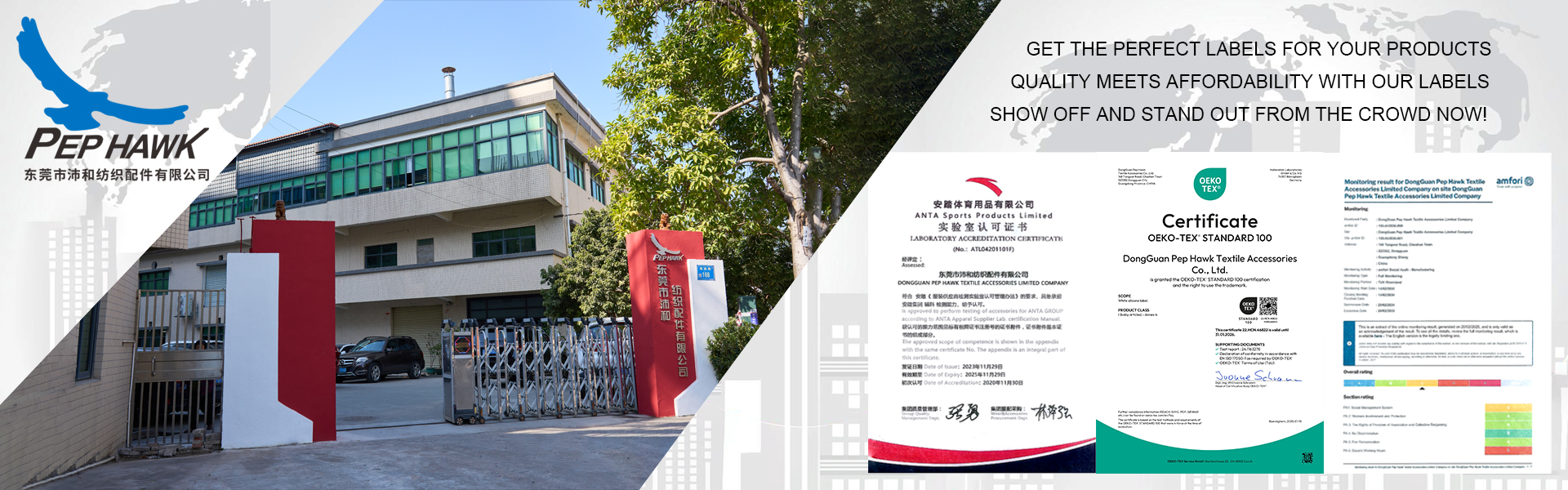
What Types of Custom Rubber Patches for Clothing on Etsy?
What's New in Sports Logos for 2025?



