

Customizing Your Leather Jacket: Why Sew-On Patches Are the Way to Go
Find the perfect leather logo patches to represent your brand. Our customizable options ensure your logo stands out with elegance and lasting quality.
There’s something undeniably cool about a leather jacket adorned with patches. It’s not just about adding embellishments—it’s about telling a story, showcasing your personality, and creating a one-of-a-kind piece that reflects who you are. However, when it comes to customizing leather jackets, there are important considerations to keep in mind. Specifically, how you attach those patches matters greatly. Let’s explore why sew-on patches are the best option for leather jackets and how they can elevate your style without compromising the integrity of your garment.
The Unique Nature of Leather Jackets
Leather is unlike any other material used in fashion. Derived from animal hides, it requires special care to maintain its quality and appearance. Unlike fabrics like cotton or polyester, leather doesn’t respond well to heat, which makes certain patch attachment methods unsuitable. Here's why:
- Heat Sensitivity : Leather can warp, crack, or become discolored under high temperatures. Ironing directly onto leather—or even using an iron-on patch—can cause irreversible damage.
- Durability Concerns : While leather is strong and durable, improper attachment methods (like glue) may weaken over time, leaving your patches loose or falling off entirely.
For these reasons, iron-on patches should never be applied to leather jackets. Instead, opt for alternatives that respect the unique properties of this luxurious material.
Why Iron-On Patches Aren’t Suitable for Leather
Iron-on patches rely on heat-activated adhesives to bond them to garments. This method works wonders for many fabrics, but leather simply isn’t compatible due to its sensitivity to heat. Below are key reasons why iron-on patches and leather don’t mix:
- Potential Damage : High heat can melt faux leather or soften genuine leather, leading to warping, cracking, or discoloration.
- Adhesion Issues : Even if the patch adheres initially, the adhesive won’t hold up against the natural flexing and movement of leather. Over time, the patch will likely peel away.
- Aesthetic Risks : Uneven heating can create bubbles or scorch marks on the leather surface, ruining its smooth texture and polished finish.
If you’re working with faux leather, the risks are even greater. Materials like vinyl or polyurethane are prone to melting under high heat, making iron-on patches a recipe for disaster.
Sew-On Patches: The Perfect Solution for Leather Jackets
When it comes to customizing leather jackets, sew-on patches reign supreme. They offer durability, versatility, and a classic look that complements the rugged elegance of leather. Whether you choose embroidered or PVC patches, sewing ensures they stay securely in place through years of wear.
1. Embroidered Patches
- Timeless Appeal : Embroidered patches bring a sophisticated, textured aesthetic to leather jackets. Their raised stitching adds depth and character, creating a visually striking contrast.
- Customization Options : From bold logos to intricate designs, embroidered patches allow for endless creativity. You can select thread colors, fonts, and shapes that align perfectly with your vision.
- Longevity : When sewn properly, embroidered patches withstand repeated use and washing, maintaining their vibrancy and structure.
2. PVC Patches
- Modern Edge : PVC patches offer vibrant colors and fine details that traditional embroidery might struggle to replicate. These patches are ideal for contemporary designs featuring gradients, 3D effects, or photorealistic imagery.
- Durability : Made from flexible plastic, PVC patches resist fading, peeling, and environmental damage. They pair beautifully with leather, offering a sleek, modern twist.
- Design Freedom : With PVC, you can experiment with unconventional shapes and sizes, ensuring your patch stands out while staying firmly attached.
Both options provide secure, long-lasting results when sewn onto leather jackets. Plus, they allow you to express yourself authentically, whether through classic motifs or cutting-edge designs.
How to Apply Sew-On Patches to Your Leather Jacket
Attaching sew-on patches to a leather jacket is straightforward and achievable, even for beginners. Follow these simple steps to ensure professional results:
- Choose Your Placement : Decide where you want the patch to go. Popular spots include the chest, back, shoulders, or sleeves. Consider symmetry and balance when planning multiple patches.
- Secure the Patch Temporarily : Use straight pins or fabric tape to hold the patch in place temporarily. This prevents shifting during the sewing process.
- Thread Selection : Pick thread colors that complement your patch and jacket. Contrasting threads make the patch pop, while matching hues blend seamlessly into the design.
- Sewing Technique : Start by threading a needle and tying a knot at the end. Begin stitching from the inside of the jacket to hide knots and loose ends. Use small, consistent stitches around the edges of the patch for a polished finish.
- Final Touches : Once complete, trim excess thread carefully. Double-check that the patch is securely fastened before wearing your newly customized jacket.
If sewing isn’t your forte, consider visiting a local tailor or seamstress. Most professionals can apply patches quickly and affordably, ensuring your leather jacket looks flawless.
Exploring Alternatives: Beyond Traditional Methods
While sew-on patches are the safest bet for leather jackets, there are other creative ways to personalize your outerwear:
Velcro Backing
Velcro-backed patches offer interchangeability, allowing you to swap designs depending on your mood or occasion. Although less permanent than sewing, Velcro provides a secure fit and works well for tactical gear or modular styles.
Adhesive Strips
Temporary adhesive strips can be used for quick updates or promotional purposes. However, these aren’t recommended for long-term wear, as they may lose grip over time or leave residue on the leather.
Handmade Solutions
For those who prefer a hands-on approach, consider hand-stitching your patches. This method adds a personal touch and ensures precision, especially for delicate or detailed designs.
Crafting Meaning Through Customization
As someone who values both craftsmanship and self-expression, I find custom patches incredibly empowering. They transform ordinary clothing into meaningful statements about identity, achievements, and affiliations. For example, during my travels, I encountered a biker whose leather vest was covered in patches representing decades of adventures and camaraderie. Each emblem told a piece of his journey, sparking conversations and fostering connections.
That said, there’s room for innovation within this craft. As sustainability becomes increasingly important, exploring eco-friendly materials—such as recycled threads or biodegradable backing—could enhance the appeal of sew-on patches. Additionally, integrating digital elements like QR codes or augmented reality (AR) could enable interactive storytelling, adding another layer of engagement to each design.
Ultimately, patches remind us that fashion isn’t just about following trends—it’s about crafting narratives through what we wear. Every stitch carries significance, every color evokes emotion, and every shape conveys identity. In today’s world of mass production, handmade or customized patches offer a refreshing return to authenticity and uniqueness.
When confronted with the task of producing intricate design drafts of the highest quality, PEPHAWK is here to provide the perfect solution. With over 16 years of industry experience and our esteemed general manager boasting 31 years of expertise in the silicone industry, we are the ultimate choice for tackling your challenging logo design projects. Select PEPHAWK for our unmatched proficiency and rest assured in the impeccable outcomes we consistently deliver.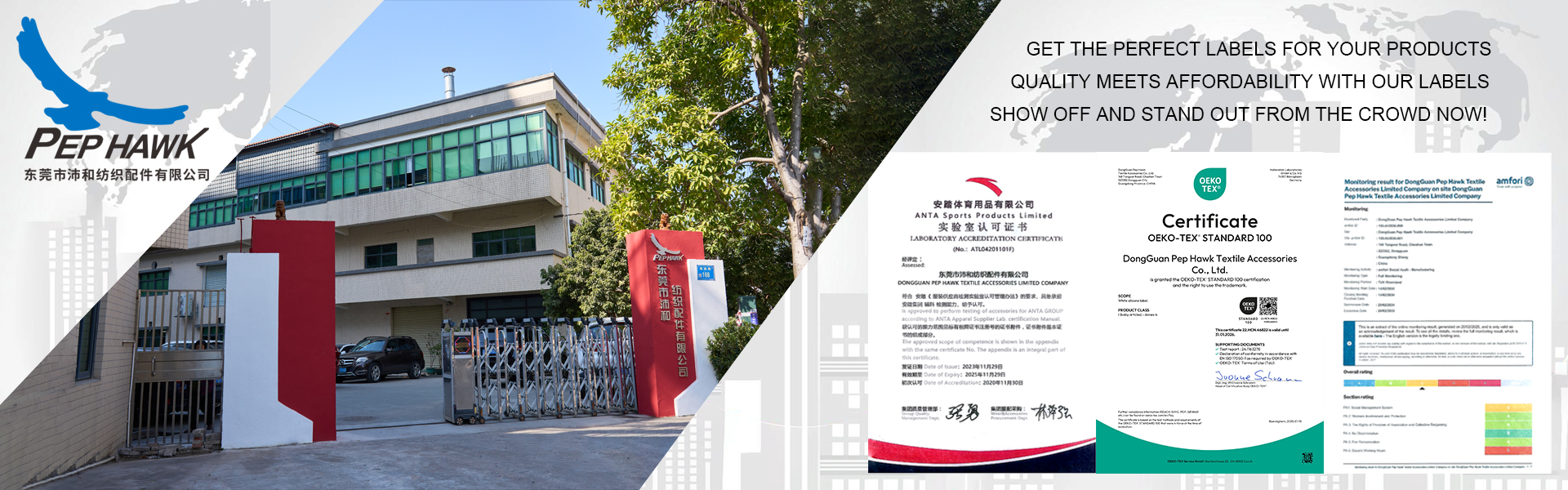
How Custom Patches on Jackets Tell Your Story
The Art of Personalizing Your Varsity Jacket with Patches



