

Simplicity Meets Substance: Designing Logos for Leather Custom Patches
Personalize your gear with our exquisite leather custom patches. Perfect for any occasion, our patches combine quality and creativity. Shop now!
Leather custom patches have become a hallmark of premium personalization in fashion, branding, and craftsmanship. Unlike fabric patches, leather patches offer a textured, durable, and sophisticated finish that elevates any garment or accessory. However, the success of a leather patch hinges on one critical factor: the logo design. Choosing the right logo ensures your patch complements the leather’s natural aesthetic while conveying your brand identity effectively. This guide explores key considerations for selecting a logo for leather custom patches, supported by practical design charts and actionable insights.
1. Logo Design Principles: Simplicity and Clarity
The most successful leather patches feature minimalist logos that prioritize clarity over complexity. Intricate details often get lost in the texture of leather, making them difficult to discern. A clean, straightforward design ensures the logo remains legible and impactful.
Key Considerations:
- Simplify Elements: Remove unnecessary details that may not translate well to leather.
- Focus on Brand Identity: Your logo should align with your brand’s core message and target audience.
- Typography Matters: If your logo includes text, choose bold, sans-serif fonts for maximum readability.
Chart 1: Logo Style Suitability for Leather Patches
|
Minimalist
|
Subtle branding, small patches
|
High (simple lines)
|
|
Detailed
|
Large patches, intricate art
|
Medium (may require simplification)
|
|
Text-Based
|
Logos with brand names
|
High (clear, bold fonts)
|
|
Emblem
|
Vintage, traditional looks
|
High (classic patterns)
|
2. Color Selection: Harmonizing with Leather’s Natural Tone
Leather’s organic texture interacts uniquely with colors. Unlike fabric, leather absorbs less dye, resulting in muted, earthy tones. Choosing colors that complement the leather’s natural hue ensures the patch enhances, rather than clashes with, the material.
Color Strategy:
- Natural Tones (Browns, Blacks, Tans): These blend seamlessly with leather, creating a cohesive look.
- Metallic Accents (Gold/Silver): Add luxury but may fade over time with exposure.
- Vibrant Colors: Avoid unless intentionally contrasting, as they often appear garish on leather.
Chart 2: Color Palette Recommendations for Leather Patches
|
Natural Tones
|
Muted, classic finish
|
All leather types
|
|
Metallic (Gold/Silver)
|
Premium, eye-catching
|
High-end fashion
|
|
Vibrant (Red/Blue)
|
Often clashes with leather
|
Limited use (e.g., contrast)
|
3. Size and Placement: Proportionality for Impact
The size of your patch must align with its intended application. A patch that’s too large overwhelms the garment, while one that’s too small becomes invisible.
Size Guidelines:
- Hats & Caps: 2" × 2" (small, subtle).
- Jackets & Vests: 3" × 3" to 4" × 4" (centered or on the chest).
- Bags & Backpacks: 4" × 3" (front panel for visibility).
- Custom Shapes: Die-cut silhouettes (e.g., animal outlines) require precise sizing.
Chart 3: Size Guidelines by Application
|
Hats
|
2" × 2"
|
Small, discreet on brim
|
|
Jackets
|
3" × 3"
|
Centered on back or chest
|
|
Bags
|
4" × 3"
|
Front panel, side, or strap
|
|
Vests
|
4" × 4"
|
Bold, central focal point
|
4. Material Selection: Choosing the Right Leather
The leather grade directly impacts the patch’s durability and aesthetic. Full-grain leather is ideal for high-end patches due to its natural grain and longevity. Vegetable-tanned leather, known for its eco-friendly finish, is another excellent choice for logo patches.
Material Considerations:
- Full-Grain Leather: Most durable, retains natural texture.
- Top-Grain Leather: Slightly smoother, suitable for detailed designs.
- Avoid Suede or Faux Leather: These textures often clash with embroidery or printing.
5. Practical Tips for Finalizing Your Logo
Before finalizing your design, test it in a mockup. Consider how the logo will look against the leather’s surface and color. For example, a black logo on dark brown leather may appear too subtle, while a white logo on light tan leather could stand out effectively.
Final Checklist:
- ✅ Simplify the logo for leather texture.
- ✅ Match colors to leather’s natural tones.
- ✅ Size the patch proportionally to the garment.
- ✅ Confirm material compatibility (e.g., vegetable-tanned for durability).
Conclusion: Elevate Your Brand with Precision
A leather custom patch is more than just an accessory—it’s a statement of quality and attention to detail. By prioritizing simplicity in logo design, harmonizing colors with leather’s natural tones, and adhering to size guidelines, you ensure your patch becomes an integral part of your brand’s identity. Whether for jackets, bags, or hats, the right logo transforms a simple patch into a timeless emblem of craftsmanship.
When confronted with the task of producing intricate design drafts of the highest quality, PEPHAWK is here to provide the perfect solution. With over 16 years of industry experience and our esteemed general manager boasting 31 years of expertise in the silicone industry, we are the ultimate choice for tackling your challenging logo design projects. Select PEPHAWK for our unmatched proficiency and rest assured in the impeccable outcomes we consistently deliver.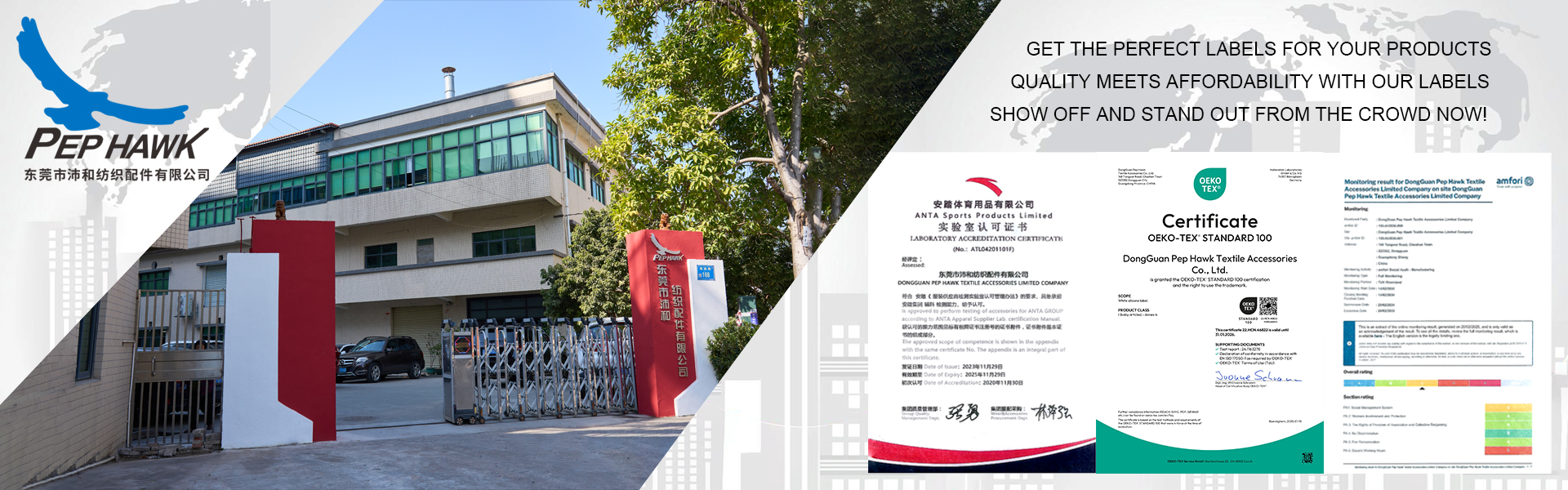
Eco-Chic Elegance: Why Silicone Labels Are the New Must-Have for Indian Brands
Craft Your Edge: Custom Leather Patches Made Simple



