

Top 10 Most Common Label Types Explained
Explore the diverse world of labels! From product to shipping, find out the most common types and their specific uses in different sectors.
Labels are the silent communicators of the modern world, bridging products and consumers, assets and information systems, goods and global supply chains. Far beyond simple identification, they convey critical details about safety, origin, content, branding, and usage. Understanding the diverse label types available is essential for businesses across industries to ensure compliance, enhance customer experience, and optimize operations. While countless specialized variants exist, several core label types dominate the marketplace due to their versatility, cost-effectiveness, and specific functional advantages. Here’s a detailed look at the most prevalent categories shaping how we interact with products and information daily.
1. Pressure-Sensitive (Self-Adhesive) Labels: Undeniably the most ubiquitous type, pressure-sensitive labels dominate retail, logistics, and consumer goods. Featuring a permanent or removable adhesive activated by pressure (no water, heat, or solvent required), they offer exceptional ease of application. Printed on materials like paper, film (polypropylene, polyester), or foil, they adhere instantly to clean, dry surfaces. Found on everything from beverage bottles and food packaging to shipping boxes and electronic devices, their flexibility, durability options (waterproof, chemical-resistant), and suitability for high-speed automated application make them indispensable.
2. Heat Transfer Labels: Essential for textiles and apparel, heat transfer labels use heat and pressure to fuse the label material directly onto fabric. Typically made from woven polyester, satin, or heat-transfer vinyl (HTV), they withstand repeated washing and wear. Commonly used for care instructions ("Machine Wash Cold"), size tags, brand logos, and country-of-origin information sewn or ironed onto garments, they provide a durable, flexible solution that moves with the fabric without cracking or peeling.
3. Woven Labels (Fabric Labels): A specific, high-quality subset often applied via sewing, woven labels are created by interlacing colored threads on a loom. Renowned for their exceptional durability, soft texture, and premium feel, they are the standard for high-end apparel, uniforms, and家纺 (home textiles). Typically displaying brand names, logos, or care symbols, their resistance to fraying and washing makes them ideal for permanent attachment where a luxurious or professional appearance is paramount.
4. RFID (Radio-Frequency Identification) Labels: Revolutionizing inventory management and supply chains, RFID labels embed a tiny microchip and antenna within a paper or plastic substrate. Unlike barcodes, they enable wireless, line-of-sight-free data capture over distances (passive tags: meters, active: longer). Used extensively in retail for inventory tracking, logistics for pallet/case management, libraries for book tracking, and increasingly in retail item-level tagging, they provide real-time visibility and automate data collection, significantly reducing manual errors.
5. Barcode Labels: The foundational technology for automated data capture, barcode labels (primarily 1D linear codes like UPC/EAN or 2D codes like QR codes) are printed on pressure-sensitive materials. Scanned instantly by optical readers, they encode product information (SKU, price, batch) critical for point-of-sale transactions, warehouse management, asset tracking, and logistics. Their low cost, simplicity, and universal compatibility ensure they remain a cornerstone of retail and industrial operations globally.
6. Shrink Sleeve Labels: Offering 360-degree branding and tamper evidence, shrink sleeves are tubular plastic films (usually PVC, PETG, or PLA) applied loosely over containers and then shrunk tightly using heat tunnels. They conform perfectly to complex bottle shapes, provide vivid, wrap-around graphics, and can incorporate security features. Dominating beverage (water, soda, energy drinks), personal care, and pharmaceutical packaging, they maximize shelf impact and offer superior protection compared to traditional pressure-sensitive labels.
7. In-Mold Labels (IML): Integrated directly into the plastic molding process, IMLs are placed inside the mold cavity before molten plastic is injected. The label becomes a permanent, inseparable part of the container (e.g., yogurt cups, dairy tubs, cosmetic jars). They offer exceptional durability, resistance to moisture and abrasion, and a smooth, label-free feel. Eliminating post-molding labeling steps, IMLs enhance production efficiency and provide a premium, integrated look highly valued in food and cosmetic packaging.
8. Durable/Industrial Labels: Built for extreme environments, these labels withstand harsh conditions like chemicals, extreme temperatures, abrasion, and prolonged outdoor exposure. Made from robust materials like polyester, polyimide, or metalized films, often with specialized adhesives, they are critical for asset tracking (UTLs - Ultra Tough Labels), electronics (PCB labels), automotive components, and industrial equipment. They ensure vital information (serial numbers, safety warnings, maintenance data) remains legible throughout the product's lifecycle.
9. Tamper-Evident Labels: Designed to show irreversible signs of unauthorized access, these labels are vital for product safety and security, especially in pharmaceuticals, food, cosmetics, and electronics. Types include breakable films that shatter upon removal, void patterns that leave "VOID" messages, or sequential numbering. They provide consumers and regulators with visible assurance of product integrity, deterring counterfeiting and protecting brand reputation.
10. Eco-Friendly/Sustainable Labels: Responding to growing environmental concerns, these labels prioritize reduced ecological impact. They utilize materials like FSC-certified paper, recycled content (rPP, rPET), compostable substrates (PLA), and water-based or UV-curable inks. Often paired with reduced adhesive formulas or designed for easier label removal during recycling, they cater to brands committed to sustainability goals and increasingly eco-conscious consumers, proving functionality and environmental responsibility can coexist.
From the instant stick of a pressure-sensitive tag to the invisible data flow of an RFID chip, the right label type is a strategic business tool. Selecting the appropriate solution depends on the substrate, environmental demands, required information lifespan, application method, regulatory needs, and branding goals. As technology advances and sustainability becomes non-negotiable, the evolution of label types continues, ensuring these small but mighty components remain fundamental to global commerce, safety, and communication. Understanding these common categories empowers businesses to make informed choices that protect products, inform consumers, and drive operational excellence.
When confronted with the task of producing intricate design drafts of the highest quality, PEPHAWK is here to provide the perfect solution. With over 16 years of industry experience and our esteemed general manager boasting 31 years of expertise in the silicone industry, we are the ultimate choice for tackling your challenging logo design projects. Select PEPHAWK for our unmatched proficiency and rest assured in the impeccable outcomes we consistently deliver.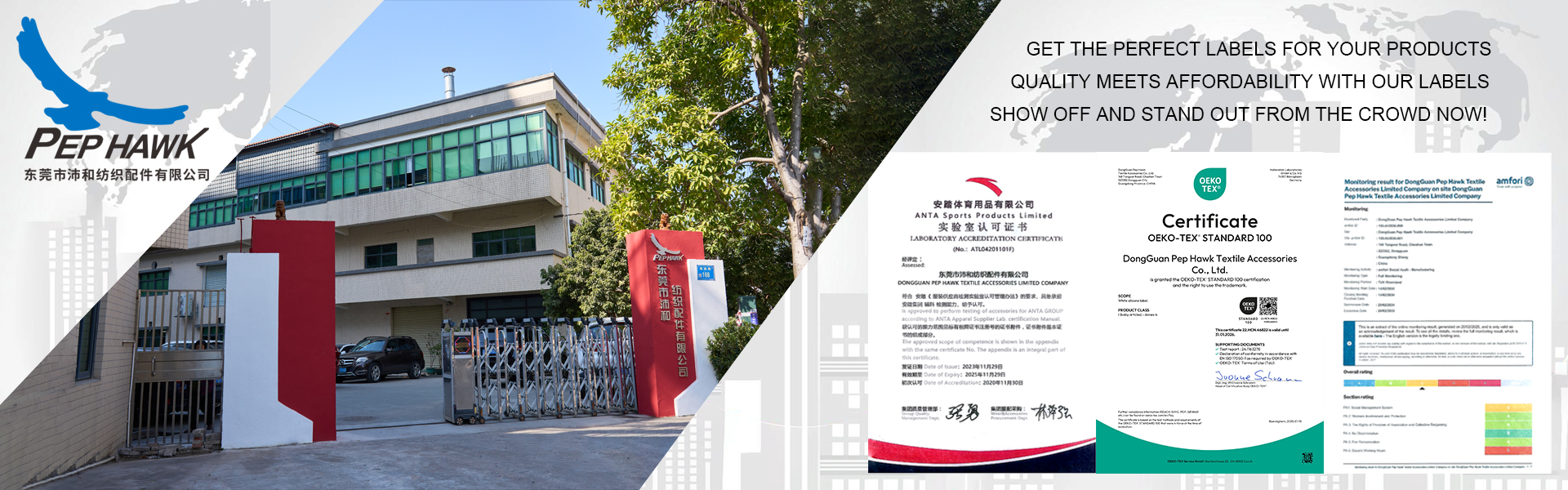
What is the difference between tackle, twill, and embroidery?
What is the use of rubber logo?



