

The Cost-Effective Kenya-Themed Patch: Suede Base with Ink Printing – A High-Value Accessory
2026-01-12
Table of Contents
Patches have transcended their traditional role as mere fabric menders to become powerful symbols of personal style, cultural identity, and commemorative value in today’s global marketplace.
As consumers increasingly seek affordable, unique items that tell a story, regional-themed patches have emerged as a popular choice, serving as portable mementos, fashion statements, and accessible customization tools. Kenya, renowned for its breathtaking savannas, iconic wildlife, and rich cultural heritage, stands as a top international tourist destination, attracting over 2 million visitors annually according to the 2025 Kenya Tourism Board report. For these travelers and Kenyan culture enthusiasts alike, a Kenya-themed patch—featuring bold “KENYA” lettering—offers a tangible, budget-friendly way to carry a piece of the nation’s spirit. What distinguishes this particular patch from competitors is its strategic combination of materials and production methods: an artificial suede base paired with ink screen printing for the logo. This pairing is not arbitrary; it is a deliberate design choice to deliver a product that balances appealing texture and visual clarity with exceptional cost-effectiveness, making it a standout option for retailers, small business owners, and budget-conscious consumers.
1. Material & Printing Specifications: The Foundation of Cost-Effectiveness
The cost advantage of the Kenya-themed patch originates from its carefully selected materials and streamlined production process, which prioritize low overhead without compromising basic quality standards. Every component, from the suede base to the ink used for printing, is chosen to minimize costs while ensuring durability and aesthetic appeal.
1.1 Artificial Suede: A Budget-Friendly Textured Alternative
At the core of the patch’s affordability is the use of artificial suede instead of genuine suede. Genuine suede, derived from animal hides, involves a resource-intensive production chain—including hide sourcing, water-heavy tanning (which incurs regulatory and environmental compliance costs), and fine finishing—resulting in a wholesale price of $20–$30 per square meter. In contrast, artificial suede, typically made from a polyester-polyurethane blend, is produced via a highly scalable industrial process: a knitted polyester base is coated with a thin polyurethane layer, then brushed to create the soft, napped texture characteristic of suede. This streamlined manufacturing brings the wholesale cost of artificial suede to just $5–$8 per square meter, a fraction of the cost of genuine suede.
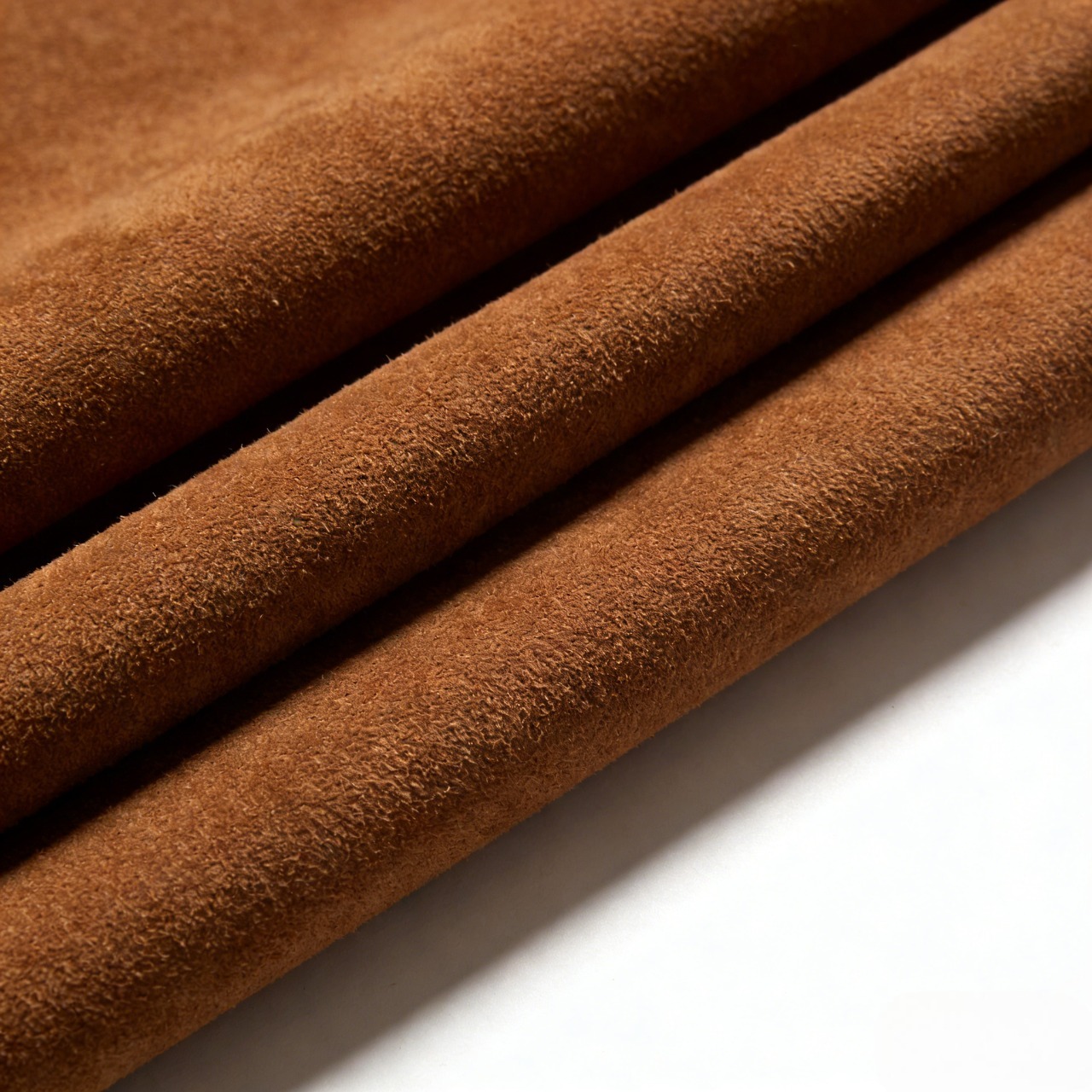
Beyond raw material savings, artificial suede offers practical benefits that further reduce production costs. Unlike genuine suede, which is susceptible to water damage and requires specialized care, artificial suede is water-resistant, durable, and easy to cut and shape—minimizing fabric waste during the patch-making process. For a standard Kenya patch (10 cm × 3 cm, or 0.03 square meters), the material cost per unit is a mere $0.15–$0.24. This is significantly lower than patches made from genuine suede ($0.60–$0.90 per unit) or premium leather (over $1 per unit). Additionally, artificial suede’s flexibility and lightweight nature compatibility with low-cost attachment methods, such as iron-on backing or adhesive strips, eliminating the need for expensive, specialized fasteners.
1.2 Ink Screen Printing: Low-Cost, High-Clarity Logo Application
The bold “KENYA” logo on the patch is applied using ink screen printing, a method selected for its low cost, efficiency, and compatibility with suede’s textured surface. Screen printing is a stencil-based process involving three simple steps: creating a mesh screen with the “KENYA” lettering as a stencil, applying water-based ink to the screen, and using a squeegee to push the ink through the stencil onto the suede. The equipment required for this process is minimal and affordable: basic screen frames ($10–$20 each), water-based ink ($10–$15 per liter), squeegees ($5–$10), and a simple drying rack. This setup costs far less than the machinery needed for alternative methods, such as computerized embroidery machines (starting at $5,000) or heat transfer presses (which require $200–$500 in equipment plus custom transfer paper).
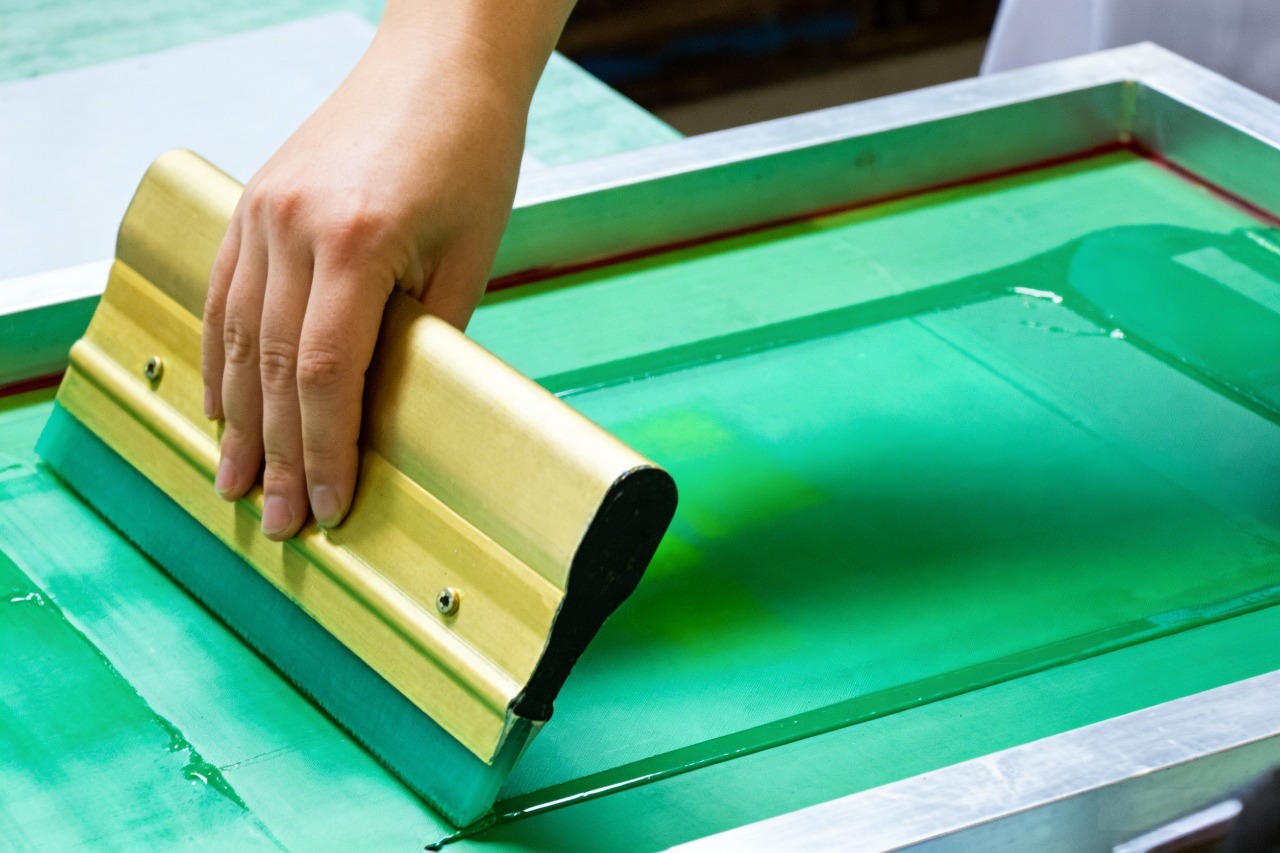
In terms of per-unit costs, ink screen printing is exceptionally economical. A single liter of water-based suede ink can cover up to 5,000 small patches, bringing the ink cost per unit to just $0.002–$0.003. Labor costs are also low: the process is simple enough for entry-level workers (earning $15–$20 per hour) to master, and each worker can print 1,000 patches per hour—translating to a labor cost of $0.015–$0.02 per unit. Combined, the total printing cost per patch is less than $0.02, a dramatic reduction compared to embroidery (where thread and machine time push per-unit costs to $0.06–$0.10) or heat transfer (which requires $0.03–$0.05 per unit in transfer paper alone). Crucially, screen-printed ink adheres deeply to suede’s nap, creating a durable bond that resists peeling or fading with regular wear and washing when heat-set—addressing a common concern with low-cost printing methods.
2. Cost-Effectiveness Highlights: Benefits for All Stakeholders
The combination of artificial suede and ink screen printing creates a cost structure that positions the Kenya patch as one of the most budget-friendly regional accessories on the market. Its cost advantages extend beyond raw materials and printing, delivering value to manufacturers, retailers, and consumers alike.
2.1 Economies of Scale: Lower Costs with Bulk Orders
A key driver of the patch’s affordability is economies of scale. Fixed costs, such as creating the screen printing stencil (which costs $20–$30 per design), are spread across more units as order quantities increase. For example, a 100-unit order allocates $0.20–$0.30 per unit to stencil costs, while a 10,000-unit order reduces that allocation to just $0.002–$0.003 per unit. For bulk purchasers, such as travel souvenir retailers or fashion brands, this means per-unit costs can drop to under $0.25—far lower than comparable patches made with premium materials or complex production methods.
2.2 Supply Chain Efficiency: Stable, Low-Cost Procurement
Artificial suede and water-based screen printing ink are widely available from global suppliers, with major hubs in China, India, and Southeast Asia. This widespread availability ensures short lead times (1–2 weeks for bulk orders) and stable pricing due to competitive markets. It also eliminates the risk of supply chain delays or price fluctuations that plague products dependent on rare materials (e.g., genuine leather) or specialized components. Additionally, the patch’s simple production process—cutting suede to size, printing the logo, and adding backing—requires minimal overhead: no specialized worker training, no high-maintenance machinery, and no expensive quality control measures for complex techniques.
2.3 High Profit Margins for Retailers
The patch’s low production cost translates to exceptional profit margins for sellers. Retailers can price the patch at $2–$3 (an accessible price point for most consumers) while maintaining an 80%+ profit margin. This is far higher than margins for premium patches (which might sell for $5–$10 but have 50% or lower margins) or mass-produced plastic souvenirs (which suffer from oversaturation and thin margins). For small business owners, such as Etsy sellers who customize jackets with patches, the low per-unit cost allows for flexible pricing: they can sell a custom “Kenya safari jacket” for $40 (vs. $30 for a plain jacket) while incurring only $0.25 in additional cost for the patch.
3. Application Scenarios: Versatility Across Industries
The Kenya patch’s low cost and bold design make it suitable for a diverse range of use cases, spanning fashion, travel, and community initiatives. Its versatility further enhances its value proposition, allowing it to cater to multiple markets simultaneously.
3.1 Fashion Apparel: Casual, Customizable Accents
The patch is a popular addition to everyday casual wear, adding regional flair without breaking the bank. It pairs exceptionally well with safari-themed aesthetics, which remain a staple in streetwear and casual fashion. For example, retailers can add the patch to a $30 work jacket and price it at $35, boosting revenue by 17% with minimal additional cost. It also fits perfectly on baseball caps and bucket hats—common travel souvenirs—allowing retailers to include it with the hat at no significant price increase. The chest area of hoodies is another prime spot for the patch, as the suede material adds a subtle texture contrast to the hoodie’s fabric, enhancing its visual appeal.
3.2 Travel Accessories: Commemorative, Functional Add-Ons
For travelers, the patch turns functional items into mementos of their Kenyan trip. Canvas tote bags, a popular eco-friendly souvenir, and backpacks can be adorned with the patch, making them both useful and sentimental. Travel agencies often include a patched tote bag as a free gift with safari bookings, leveraging the patch’s low cost to add value without increasing operational expenses. Key lanyards and airport ID lanyards sold in Kenyan tourist hubs can also feature the patch, turning a utilitarian item into a lasting reminder of the trip. Adhesive-backed versions of the patch allow travelers to customize their phone cases with a travel-themed accent, further expanding its appeal.
3.3 Community & Charitable Initiatives: Affordable Engagement Tools
The patch’s low cost makes it an effective tool for Kenyan cultural and charitable efforts. Festivals celebrating Kenyan culture, held in countries like the U.S., UK, and Australia, distribute the patch as a promotional item to build community engagement and celebrate cultural heritage. Wildlife conservation organizations, such as the Kenya Wildlife Service, sell the patch as a fundraising item. Selling it for $3 (with $2.50 of each sale going to anti-poaching efforts) allows these groups to raise funds without pricing out supporters, making conservation accessible to a broader audience.
4. Market Potential: Aligning with Global Trends
The Kenya patch’s cost-effectiveness and thematic appeal position it for strong growth, fueled by two key global trends: the recovery of international travel and the rise of cultural appreciation in fashion.
The World Travel & Tourism Council projects that Kenyan tourism will exceed pre-2020 levels by 2027, driving increased demand for affordable souvenirs like the patch. As more travelers return to Kenya, the desire for tangible mementos of their trips will grow, and the patch’s low price point and cultural relevance make it an ideal choice. Additionally, consumers increasingly seek respectful, accessible ways to incorporate global cultural elements into their wardrobes. The patch’s bold, celebratory design aligns with this trend, appealing to those interested in Kenyan culture without requiring a significant financial investment.
The patch’s target audiences are diverse, including travel retailers in need of high-margin souvenirs, small fashion businesses seeking low-cost customization tools, and charitable organizations looking for affordable fundraising items. All of these groups benefit from the patch’s unbeatable cost-to-value ratio, ensuring steady demand across multiple sectors.
5. Conclusion
The Kenya-themed patch, crafted from artificial suede and featuring ink screen printing, exemplifies cost-effective design done right. It delivers a soft, textured look that avoids the cheap feel of low-grade fabrics, while its durable, clear logo ensures long-lasting visual appeal—all at a fraction of the cost of premium alternatives. With per-unit costs under $0.25 for bulk orders, it offers exceptional profit margins for sellers, flexibility for small businesses, and accessibility for consumers. Its versatility across fashion, travel, and community initiatives allows it to cater to a wide range of users, from travelers seeking mementos to nonprofits raising funds for Kenyan causes.
As global travel to Kenya rebounds and cultural fashion trends continue to gain traction, this patch is poised to become a staple in the global accessory market. It proves that affordability and appeal can coexist seamlessly, offering a win-win solution for all stakeholders. Whether as a souvenir, a fashion accent, or a fundraising tool, the Kenya-themed patch stands as a high-value, cost-effective accessory that celebrates Kenyan culture while meeting the practical needs of today’s marketplace.
PEPHAWK is proud to highlight our integrated one-stop service—seamlessly combining professional design, R&D, and manufacturing capabilities to deliver cohesive, end-to-end solutions for our valued clients.
Our core product range covers a diverse selection of high-quality accessories and silicone-based items, including:
- Garment Accessories: Silicone Labels, Micro Fiber Labels, TPU Labels, Leather Labels
- Electronic & Lifestyle Gadgets: Silicone Mobile Phone Skins, Silicone MP3 Skins, Silicone Chaplets, Silicone Bracelets
Beyond our core offerings, we also connect clients with complementary products through our trusted affiliated companies, ensuring all your needs are met under one partnership.
What sets us apart is our specialized expertise in key manufacturing processes: Silk Screen Printing, High-Frequency Welding, Sublimation Printing, Seamless Fabric Processing, and Laser Cutting. These capabilities allow us to serve a wide array of industries—from garments, shoes, caps, and gloves to electronic devices, bags, and sporting equipment—with products that blend durability, functionality, and aesthetic appeal.
At PEPHAWK, customer satisfaction is our top priority. We’re committed to providing responsive, thorough support, and guarantee a same-day response to all inquiries—no exceptions. You can rely on us for consistent quality, reliable delivery, and a partnership that’s as efficient as it is trustworthy.
Whether you’re looking for custom apparel labels, protective silicone skins, or tailored manufacturing solutions, PEPHAWK has the expertise and flexibility to bring your vision to life.
Garment Care Labels: Unlocking Material Insights, Maintenance Rules, and Sustainable Consumption
The Cultural Legacy and Collectible World of Baltimore Ravens Patches




SEND MESSAGE