

How to Remove Iron-On Patches from Jeans Without Ruining the Design
Shop our exclusive selection of jeans with iron-on patches. Perfect for those who want to blend comfort with a touch of personal flair in their outfits.
1. Why Removing Iron-On Patches Is Tricky: Understanding the Risks
Iron-on patches are often seen as a convenient way to personalize or repair jeans, but their removal can be a nightmare for both fabric and design integrity. The heat-activated adhesive that bonds them to denim is designed to last—but not permanently. Over time, it may peel, lift, or stain your jeans if removed improperly.
At [Your Brand], we understand that many of our clients—whether they’re fashion brands, retailers, or individual consumers—need a clean, damage-free method to remove patches without leaving residue or distorting the original look of the garment.
Key Challenges in Patch Removal:
- Residue buildup : Adhesive remnants stick to the denim surface.
- Fabric distortion : Heat or scraping can warp or thin the denim weave.
- Color fading : High temperatures may bleach or discolor indigo-dyed cotton.
Let’s explore how to tackle these issues effectively while preserving the aesthetic value of your jeans.
2. Step-by-Step Guide: Gentle Yet Effective Removal Techniques
Step 1: Use Heat Wisely – But Not Too Much
Instead of blasting your jeans with high heat, use a low-to-medium iron setting (110–130°C) . Place a thin cotton cloth or parchment paper over the patch to act as a barrier between the iron and the denim.
- Why this works : It softens the adhesive gradually without damaging the fibers.
- Pro Tip : Move the iron in circular motions for even heat distribution.
Step 2: Lift the Patch Slowly
Once the adhesive has softened, gently peel the patch off using a plastic scraper or old credit card . Start at one corner and work your way across slowly.
- Avoid metal tools —they can scratch or tear the fabric.
- If resistance occurs, reapply heat before continuing.
Step 3: Clean Up Residue Like a Pro
After removing the patch, you may notice sticky glue remains. Here’s how to eliminate it:
- Use rubbing alcohol or commercial adhesive remover on a cotton ball.
- Gently dab the area until the residue dissolves.
- Wipe clean with a damp cloth and let air dry.
Bonus Tip : For sensitive skin or vintage denim, opt for eco-friendly removers made from citrus oils—they’re gentler and just as effective.
3. Advanced Techniques for Delicate Denim and Custom Designs
If your jeans feature embroidery, distressing, or custom washes, standard removal methods might not be enough. At [Your Brand], we’ve developed specialized protocols for handling premium denim garments.
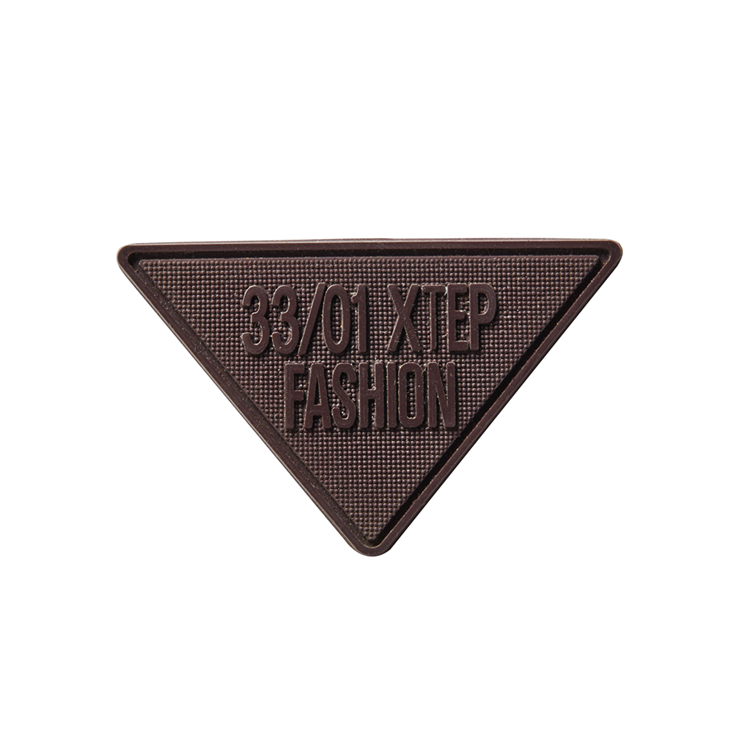
A. Steam Application for Sensitive Fabrics
Use a garment steamer instead of an iron for delicate or stretch denim. Steaming softens adhesives without direct pressure, reducing the risk of fiber breakage.
B. Cold Peel Method for Vintage Denim
Vintage jeans often have fragile weaves and unstable dyes. Try this method:
- Place the patched area inside a freezer bag and freeze for 2 hours.
- The cold temperature hardens the adhesive, making it easier to flake off with minimal friction.
This technique is ideal for preserving the patina and texture of aged denim.
C. Spot Testing Before Full Removal
Always test your method on a hidden area (e.g., inside seam) first. This ensures no dye transfer or fabric damage occurs during the process.
4. Preventing Future Damage: What You Should Know Before Reapplying Patches
Once the patch is gone, you may want to apply a new one—or leave the area clean. Either way, understanding the long-term impact of repeated patching is crucial.
Why Repeated Iron-Ons Can Harm Denim:
- Build-up of adhesives : Makes future removal harder and increases fabric stiffness.
- Weakened fibers : Repeated heating damages cotton threads, increasing the risk of tears.
Better Alternatives to Consider:
- Sew-on patches : Offer stronger, cleaner attachment without adhesive.
- Velcro-backed patches : Easy to attach and remove, perfect for rotating designs.
- Custom embroidery : Adds permanent flair without compromising denim structure.
At [Your Brand], we offer all three options—crafted with premium materials and tested for durability and design compatibility.
5. How [Your Brand] Stands Out: Quality Meets Customer-Centric Innovation
While many brands sell patches, few focus on the full lifecycle of customization—from application to removal. Our commitment to quality shows in every detail:
A. Eco-Friendly Adhesives
Our removable patches use water-based adhesives that dissolve easily with mild solvents—no harsh chemicals needed.
B. Denim-Specific Materials
All our patches are made from cotton twill or recycled denim blends, ensuring they match the weight, texture, and breathability of your jeans.
C. Professional Support & Tools
Every purchase includes access to our online guide library , including video tutorials on safe patch removal and care instructions tailored to your denim type.
D. Customization Without Compromise
From brand logos to personalized art, we help you create patches that reflect your style—without risking the integrity of your favorite jeans.
When tackling intricate design projects that demand precision and excellence, PEPHAWK stands as your trusted partner. With 16 years of industry expertise and our general manager’s 31-year legacy in silicone innovation, we specialize in transforming complex logo concepts into flawless realities. Our seasoned team combines technical mastery with creative problem-solving to deliver unmatched quality, ensuring your vision is executed with meticulous attention to detail. Partner with PEPHAWK—where unparalleled experience meets cutting-edge craftsmanship.
Why Custom Single Patches Are the Cheapest Way to Stand Out
Why Iron-On Jean Jacket Patches Fail



