Can Jean Jacket Patches Effectively Restore and Customize Denim
Table of Contents
In response to these predictable wear patterns, jean jacket patches have been adopted as a standardized methodology for both garment restoration and aesthetic modification.
Product Overview and Functional Classification
Jean jacket patches are discrete textile components engineered specifically to be affixed to denim surfaces. They serve a dual purpose within the apparel industry: providing structural reinforcement for compromised fabric areas and facilitating visual augmentation for stylistic personalization. The current market offers a diverse array of patches, primarily categorized by their underlying manufacturing technique and material composition.
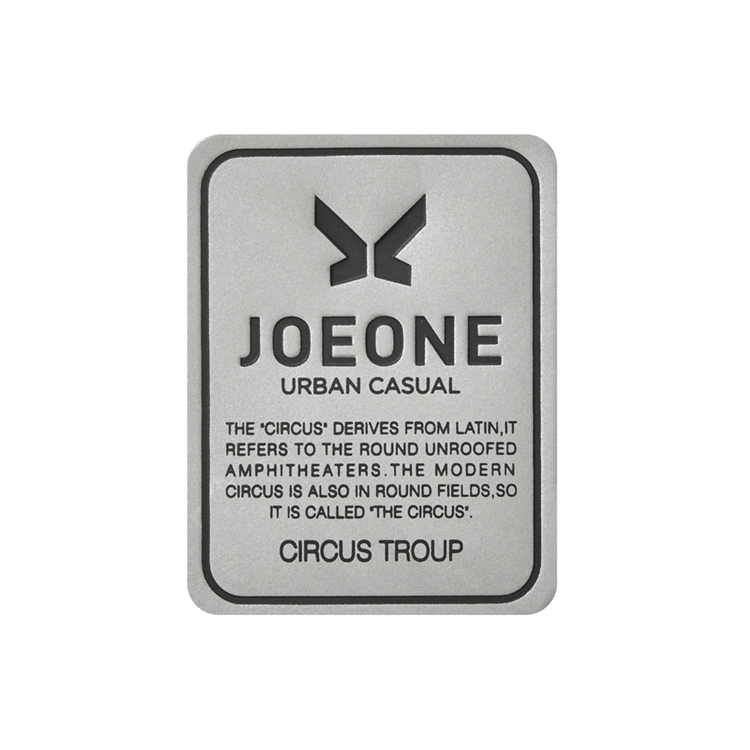
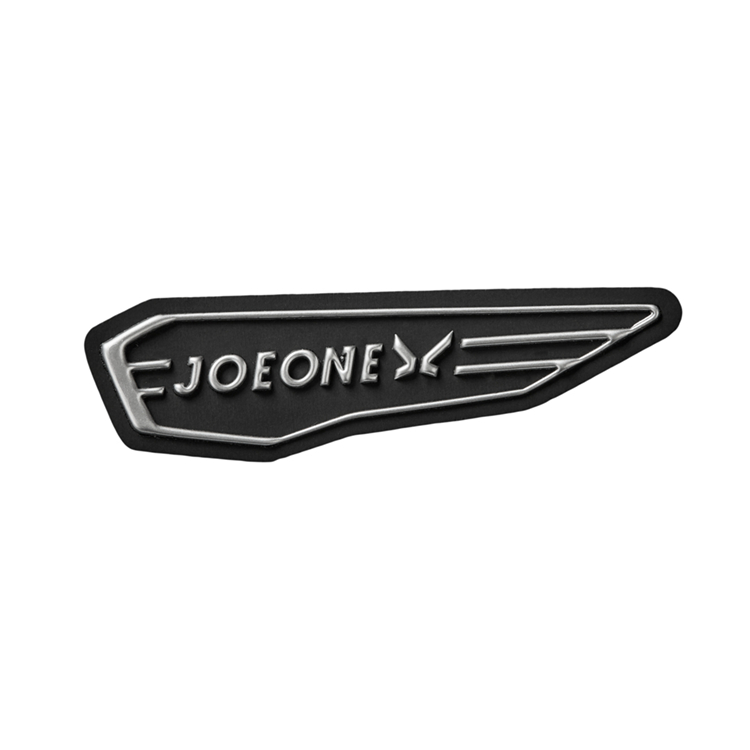
Embroidered patches utilize threaded stitching on a foundational base fabric, providing a textured, three-dimensional profile that is highly resistant to minor abrasions. Woven patches employ thinner threads interlaced tightly, allowing for higher detail resolution and smoother surface finishes, making them ideal for intricate typography or complex graphics. Printed patches involve transferring specialized ink directly onto a textile substrate; while cost-effective, they generally exhibit lower longevity and are more susceptible to UV degradation. Chenille and PVC patches represent specialized variants, offering distinct tactile properties and superior weather resistance, respectively. The selection of a specific patch type must be dictated by the intended use case, whether for the heavy-duty repair of a structural tear or the superficial application of a decorative motif.
Core Design Elements and Structural Analysis
The performance, durability, and aesthetic integrity of jean jacket patches are dictated by several critical design elements. An objective evaluation of these components is essential for accurately assessing product quality and predicting long-term wear behavior.
Embroidery Density and Thread Composition The structural density of an embroidered patch is quantitatively measured by its stitch count. High-density patches typically exceed 10,000 stitches per square inch, utilizing 100% polyester or rayon threads. Polyester offers superior tensile strength and exceptional resistance to ultraviolet degradation and moisture, making it the industry standard for outdoor wear. Rayon provides a higher optical luster but is more susceptible to friction and chemical detergents. Lower-density patches may exhibit visible gaps in the thread coverage, leading to premature fraying and reduced visual opacity over time.
Edge Finishing and Border Construction The perimeter of the patch requires secure finishing to prevent the unraveling of the base fabric and internal threads. The industry standard for premium patches is the merrowed border, a specialized overlock stitch that wraps tightly and continuously around the edge of the base material. This method provides a raised, highly durable boundary that withstands mechanical stress and repeated laundering. Alternatively, hot-cut or laser-cut edges are utilized for intricate, non-standard shapes where a merrowed border is physically unfeasible. While laser cutting effectively seals synthetic fibers, it may leave a rigid edge that can cause minor abrasion against underlying garments or adjacent fabric panels.
Base Fabric and Backing Mechanisms The foundational material, often a heavyweight cotton twill or poly-blend canvas, determines the patch's flexibility, drape, and overall weight. The backing mechanism dictates the primary attachment methodology. Heat-activated adhesive backings utilize thermoplastic polymers that melt and bond with the denim fibers upon the application of controlled thermal energy. Sew-on backings consist of raw or folded edges designed strictly for mechanical fastening via needle and thread. Adhesive backings offer rapid deployment but generally demonstrate lower shear strength compared to mechanical stitching.
Colorfastness and Dye Stability The longevity of the visual design relies heavily on the colorfastness of the threads or inks. High-quality patches employ solution-dyed synthetic threads, where the pigment is integrated directly into the polymer matrix during the extrusion process. This ensures profound resistance to fading from laundering, friction, and UV exposure. Surface-dyed or printed alternatives are prone to color migration, cracking, and progressive degradation over successive wash cycles.

Technical Specifications and Parameter Comparison
To facilitate an objective comparison, it is necessary to review the quantitative parameters that define patch quality. The following table delineates the standard specifications found in general consumer-grade products versus those utilized in professional, heavy-duty, or archival applications.
| Parameter | Consumer Grade Standard | Professional / Heavy Duty |
|---|---|---|
| Dimensions | 5cm x 5cm to 10cm x 10cm | 7cm x 7cm to 25cm x 30cm |
| Stitch Density | 4,000 to 7,000 stitches | 10,000 to 15,000+ stitches |
| Base Material | Standard cotton or synthetic felt | Heavyweight poly-twill or canvas |
| Thread Composition | Mixed polyester blends | 100% high-tenacity polyester |
| Border Treatment | Basic laser cut or raw edge | Merrowed overlock stitch |
| Adhesive Type | Low-temperature thermoplastic | High-temperature industrial polymer |
| Wash Durability | 15 to 25 standard cycles | 50+ industrial wash cycles |
| Color Palette | 2 to 5 thread colors | 8 to 15+ thread colors |
Application Methods Evaluation
The structural efficacy of jean jacket patches is heavily contingent upon the chosen application method. Each methodology presents distinct advantages and limitations regarding durability, equipment requirements, and fabric compatibility. An objective assessment of these methods ensures the correct selection for specific garment conditions.
Thermal Application (Iron-On) Thermal bonding relies on the activation of a pre-applied polymer adhesive layer. This method requires a consistent heat source, typically a household iron or specialized heat press set between 150°C and 170°C, applied with uniform pressure for 30 to 45 seconds. While highly accessible and efficient, the ultimate bond strength is limited by the adhesive's shear tolerance and the surface texture of the denim. Heavy, rigid, or uneven denim weaves may prevent adequate adhesive penetration, leading to edge lifting and eventual detachment over time.
Mechanical Fastening (Sew-On) Sewing provides a permanent, structural bond that integrates the patch directly into the garment's physical matrix. Utilizing a lockstitch or whipstitch around the perimeter ensures that the patch remains affixed regardless of thermal fluctuations, moisture exposure, or mechanical agitation during laundering. This method is strictly required for patches applied over high-stress areas, such as the elbows, shoulders, or lower back, and remains the only recommended approach for heavy-duty structural repair.
Chemical Adhesion (Stick-On) Pressure-sensitive adhesive patches offer immediate application without the need for thermal or mechanical tools. However, the resulting bond is superficial and highly susceptible to catastrophic failure upon contact with water, chemical detergents, or sustained friction. These products are strictly categorized as temporary modifications and are fundamentally unsuitable for garments intended for regular wear, washing, and long-term maintenance.
| Application Method | Equipment Required | Bond Strength | Reversibility | Recommended Use Case |
|---|---|---|---|---|
| Thermal (Iron-On) | Heat press or household iron | Moderate | Low (adhesive residue remains) | Light decorative applications |
| Mechanical (Sew-On) | Needle, thread, or sewing machine | High | Moderate (requires seam ripper) | Structural repair and permanent styling |
| Chemical (Stick-On) | None | Low | High (easily peeled) | Temporary events or visual mock-ups |
Material Compatibility and Spatial Layout Considerations
The successful integration of jean jacket patches requires a thorough understanding of the host garment's material properties. Denim weight is measured in ounces per square yard (oz/yd²), which directly dictates its rigidity, drape, and load-bearing capacity. Applying a heavy, densely stitched patch to lightweight, stretch-denim can cause localized distortion, puckering, and seam stress due to the disparity in material tension and elasticity. Conversely, lightweight patches may appear visually insubstantial and lack structural anchoring on heavy, raw, or selvedge denim.
Furthermore, the spatial arrangement of multiple patches must adhere to principles of visual equilibrium and structural preservation. Overlapping patches can create excessive localized thickness, leading to uncomfortable friction against the wearer and increased mechanical stress on the underlying denim matrix. Maintaining adequate negative space ensures that individual motifs remain legible and that the structural integrity of the jacket is not compromised by concentrated needle perforations or excessive adhesive buildup.
| Denim Weight | Fabric Characteristics | Recommended Patch Type | Optimal Attachment Method |
|---|---|---|---|
| Lightweight (< 10 oz) | High drape, often includes elastane | Thin woven or lightweight embroidered | Low-heat iron-on or fine hand-stitching |
| Midweight (10 to 14 oz) | Standard rigidity, versatile drape | Standard embroidered, PVC, Chenille | Standard iron-on or machine stitching |
| Heavyweight (> 14 oz) | Highly rigid, durable, minimal stretch | Heavy embroidered, thick canvas | Heavy-duty mechanical stitching required |

Maintenance and Care Protocols
To maximize the operational lifespan of customized denim, specific maintenance protocols must be followed. The introduction of foreign materials (patches) to a denim garment alters its care requirements.
When laundering, the garment should be inverted to protect the patch surface from direct mechanical agitation against the washing machine drum and other garments. The use of cold water is mandated to prevent the thermal reactivation or degradation of iron-on adhesives and to minimize dye migration. Harsh chemical bleaches and strong enzymatic detergents must be strictly avoided, as they can rapidly degrade synthetic threads and compromise adhesive bonds.
Thermal drying (tumble drying) is highly discouraged. The intense, localized heat and mechanical tumbling can cause adhesive failure, edge fraying, and severe shrinkage differentials between the denim base and the patch material. Air drying in a shaded, well-ventilated area is the only recommended drying methodology to preserve both the raw denim and the applied patches.
Objective Conclusion
An objective evaluation of jean jacket patches reveals them to be a highly practical, economically viable, and environmentally responsible solution for denim maintenance and customization. From a financial perspective, they cost a fraction of the price of replacing a damaged or outdated garment. From an environmental standpoint, they actively contribute to the reduction of textile waste by extending the usable lifecycle of existing apparel, aligning with sustainable fashion practices.
While the initial application requires careful consideration of material compatibility, design density, and attachment methodology, the long-term benefits are substantial. Whether utilized for the critical structural repair of a compromised seam or the deliberate aesthetic modification of a standardized garment, jean jacket patches offer a reliable, durable, and highly customizable solution. By adhering to the technical specifications, application protocols, and maintenance guidelines outlined in this analysis, users can ensure optimal performance and longevity for their customized denim outerwear.
What Are the Design Elements and Specifications of Iron Patches for Bags?
Can You Really Fix a Boring Tee in Thirty Seconds?