

Transform Your Jeans: A Modern Guide to Patching with Style
Elevate your denim with our unique jean iron-on patches. Perfect for customization and repairs, these patches are easy to apply. Browse our selection now!
Patches have come a long way since their heyday in the 60s and 70s, evolving from symbols of peace and protest to versatile tools for personal expression. Whether you're covering up wear and tear or adding flair to your favorite pair of jeans, patches offer endless possibilities for creativity and individuality. Below, we explore how to apply iron-on patches effectively, delve into alternative attachment methods, and share insights on why this trend continues to thrive.
Patches as Statements of Identity
In today’s world, where self-expression is paramount, patches serve as more than just accessories—they’re statements. From political messages to fandom declarations, these small embellishments allow individuals to showcase their beliefs, affiliations, and unique tastes.
Jeans, with their neutral base color and ample surface area, provide an ideal canvas for patch experimentation. As you wear your jeans over time, patches not only mask signs of wear but also celebrate your identity. For instance, Harry Styles fans recently embraced watermelon-themed patches during his "Love on Tour" concerts, turning fashion into a symbol of unity and admiration. This phenomenon highlights how patches bridge personal style with cultural trends.
Step-by-Step Guide to Ironing Patches on Jeans
Iron-on patches are convenient and accessible, making them perfect for beginners or those short on time. Follow these steps to ensure flawless results:
Step 1: Create Your Iron-On Patch
Start by designing a patch that reflects your personality or tells a story. Materials like flock vinyl enable greater creativity, allowing intricate patterns and textures. At THE/STUDIO, expert designers can refine even napkin sketches into polished designs ready for production.
Pro Tip : Stick to polyester and cotton fabrics for optimal adhesion. Avoid silk, nylon, or rayon, which may melt under high heat.
Step 2: Cut the Patch
Precision matters when cutting your patch. Round off the corners slightly to prevent peeling over time. Sharp edges tend to lift, reducing durability. If applying a patch over a rip, sew the area first to reinforce it before attaching the patch.
Fun Fact : Appliqués, another form of fabric embellishment, date back to ancient Egypt. These embroidered pieces add depth and texture, enhancing any garment.
Step 3: Set Up Your Workspace
Ensure your workspace is prepared for success. Place the jeans flat on an ironing board, inserting a pressing cloth (like a cotton pillowcase or damp towel) inside the pant leg to protect against fusible web residue. This step prevents unwanted bonding between layers of fabric.
Step 4: Apply the Heat
Smooth out wrinkles in the jeans before positioning the patch. Use a measuring tape to align it perfectly, then cover the patch with a thin cloth to shield it from direct heat. Press the iron firmly for the recommended duration—typically around 30 seconds. Always follow specific instructions provided with your patch.
Step 5: Heat the Back of the Patch
Turn your jeans inside out after initial application and repeat the heating process on the reverse side. This ensures the adhesive fully bonds to the fabric. Even if some imperfections remain visible internally, the external appearance will look pristine once turned right-side out.
Alternative Methods for Attaching Patches
While iron-on patches dominate due to ease of use, other methods offer additional benefits depending on your needs:
Embroidered Patches
Embroidered patches bring a tactile quality unmatched by printed alternatives. They’re best secured through sewing, as thicker materials paired with frequent washing can weaken adhesive bonds. Sewing guarantees longevity and adds a handmade touch, elevating the overall aesthetic.
For example:
- Sports Teams : Sewn patches enhance team uniforms, ensuring they withstand rigorous activity.
- Personal Projects : Hand-stitching allows customization tailored to individual preferences.
Velcro Patches
Velcro attachments cater to those seeking flexibility. Ideal for tactical gear or items requiring frequent updates, velcro patches enable easy removal and reattachment. Simply adhere the sticky side of the velcro tape to your jeans, then snap the patch into place.
This method works particularly well for themed collections or interchangeable designs, offering convenience without compromising style.
Bridging Tradition and Innovation
As someone who appreciates both tradition and innovation, I find patches incredibly empowering. They transform ordinary clothing into meaningful narratives, capturing moments, affiliations, and ideologies. For example, during my travels, I encountered bikers whose vests told stories of decades-long journeys and camaraderie. Each emblem represented a piece of their history, sparking conversations and fostering connections.
That said, there’s room for growth within this craft. As sustainability becomes increasingly important, exploring eco-friendly materials—such as recycled threads or biodegradable backing—could enhance the appeal of custom patches. Additionally, integrating digital elements like QR codes or augmented reality (AR) could enable interactive storytelling, turning static patches into dynamic narratives.
Ultimately, patches remind us that fashion isn’t just about following trends—it’s about crafting meaningful connections through what we wear. Every stitch carries significance, every color evokes emotion, and every shape conveys identity.
When confronted with the task of producing intricate design drafts of the highest quality, PEPHAWK is here to provide the perfect solution. With over 16 years of industry experience and our esteemed general manager boasting 31 years of expertise in the silicone industry, we are the ultimate choice for tackling your challenging logo design projects. Select PEPHAWK for our unmatched proficiency and rest assured in the impeccable outcomes we consistently deliver.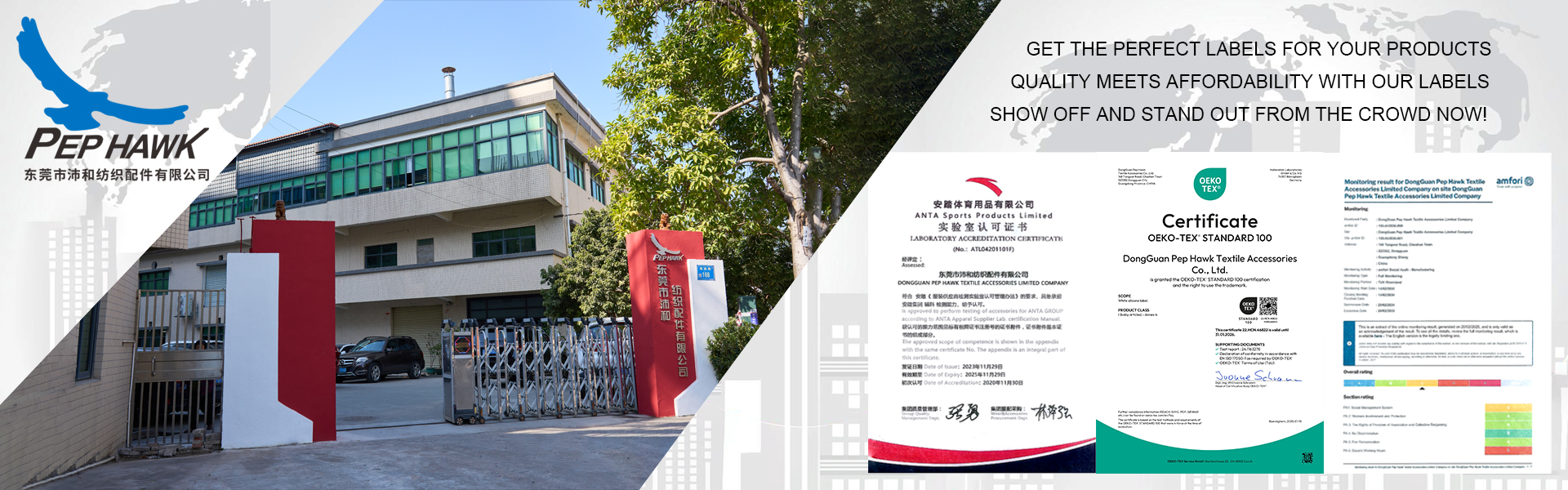
The Science of Staying Put: Choosing the Right Adhesive Backing for Custom Patches
Crafting Your Brand Identity: The Art of Creating Quality Custom Patches



