

How to Fix 5 Frustrating Issues with Iron Patch Logos
Elevate your brand with custom iron patch logos. Learn about design techniques, materials, and how to make your logo stand out in a competitive market.
Creating a custom iron patch logo can be an exciting way to brand uniforms, jackets, or promotional merchandise. However, many businesses and designers face recurring frustrations when it comes to achieving the desired outcome. Whether you're a small business owner, a branding manager, or a designer sourcing patches for clients, understanding how to resolve these issues is essential for producing high-quality, professional results.
1. Logo Detail Gets Lost in Transfer
One of the most common complaints about iron patch logos is that fine details in the original design become blurred or completely disappear after the transfer process. This issue often occurs because not all printing or embroidery techniques are capable of accurately reproducing intricate lines, gradients, or small text.
Solution: Simplify and Adapt Your Design
To avoid losing detail, start by simplifying your logo. Reduce thin lines and avoid overly complex shading. Vector-based artwork works best since it scales without quality loss. If you’re using embroidery, consider thread count limitations—smaller patches can't support too many stitches. Work closely with your manufacturer to ensure your design is adapted specifically for the chosen method of application.
2. Colors Don’t Match Brand Standards
Color accuracy is critical for maintaining brand consistency. Yet, many clients find that the colors on their iron-on patches don’t match their digital brand guidelines. This mismatch can occur due to differences in fabric base color, lighting conditions, or limitations in the ink or thread used.
Solution: Use Pantone Matching and Fabric Swatches
Request physical swatches before production. Provide Pantone color codes (PMS) to your supplier and ask for samples printed or stitched on the actual fabric type and color you'll be using. Some manufacturers offer digital mockups, but nothing beats seeing the real product under natural light to verify color fidelity.
3. Patches Peel or Crack After Washing
Durability is a major concern for any garment accessory. Iron-on patches should withstand repeated washing without peeling, cracking, or fading. Unfortunately, low-quality heat transfer vinyl or improper application techniques can lead to premature failure.
Solution: Choose High-Quality Materials and Proper Application
Invest in high-grade materials like polyester-based patches or thermoplastic polyurethane (TPU) films that offer flexibility and longevity. Ensure proper temperature, pressure, and timing during the ironing or heat press process. For commercial use, consider professional heat presses rather than home irons to achieve consistent, long-lasting adhesion.

4. Patch Size Doesn’t Fit the Garment Area
Many clients underestimate the importance of size proportionality. A patch that looks great on a sample might appear too large or too small once applied to the intended garment. This issue leads to wasted time, money, and unnecessary redesigns.
Solution: Test with Physical Templates Before Production
Before placing a bulk order, create paper or fabric templates of the patch size and position them on different garment types (e.g., jackets, shirts, pants). Take photos from multiple angles to evaluate visibility and aesthetics. Share these mock-ups with stakeholders or end-users to get feedback before finalizing the design.
5. Inconsistent Placement Across Multiple Items
When applying patches across multiple garments—such as uniforms or team apparel—inconsistencies in placement can make the final look unprofessional. Misalignment may occur due to manual positioning errors or lack of alignment guides.
Solution: Use Positioning Guides and Jigs
Create a placement template or jig that marks the exact location for each patch. Many manufacturers offer pre-positioned backing sheets or laser alignment tools for industrial applications. Training staff or suppliers on standardized placement procedures also ensures uniformity across large batches.
By addressing these five key issues—logo clarity, color accuracy, durability, sizing, and placement—you can significantly improve the outcome of your iron patch logo projects. Understanding the technical constraints and collaborating closely with experienced vendors will help you achieve a polished, professional finish that aligns perfectly with your brand identity.
When tackling intricate design projects that demand precision and excellence, PEPHAWK stands as your trusted partner. With 16 years of industry expertise and our general manager’s 31-year legacy in silicone innovation, we specialize in transforming complex logo concepts into flawless realities. Our seasoned team combines technical mastery with creative problem-solving to deliver unmatched quality, ensuring your vision is executed with meticulous attention to detail. Partner with PEPHAWK—where unparalleled experience meets cutting-edge craftsmanship.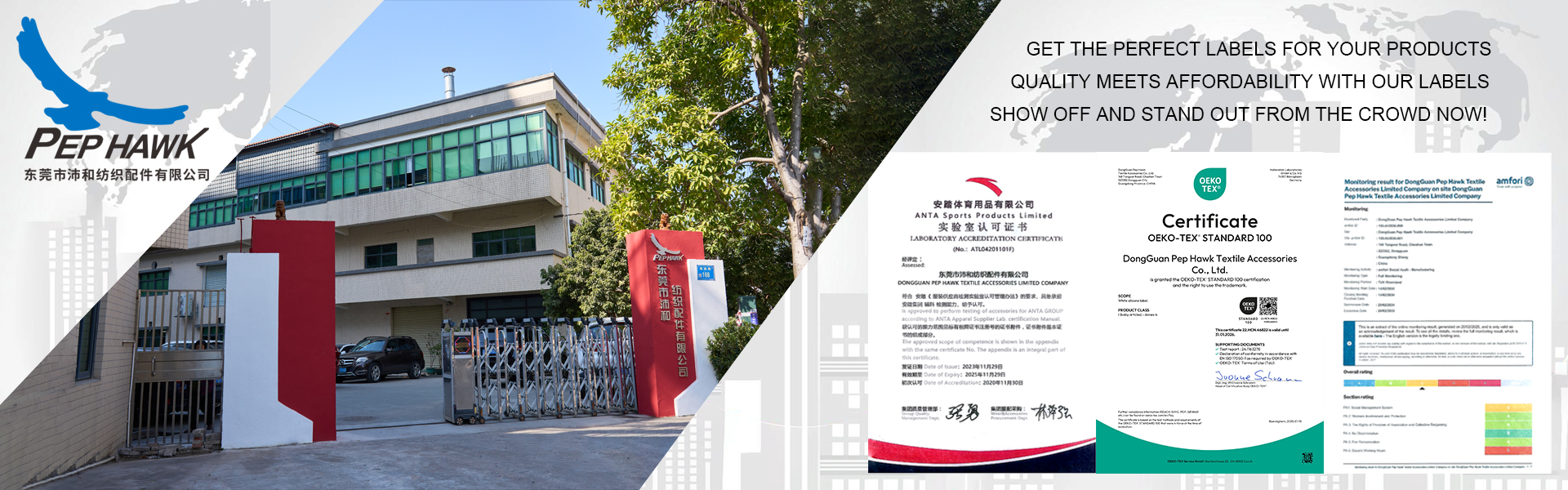
PEPHAWK Silicone Heat-Transfer Adidas Trefoil: Celebrating the Logo's Legacy
Unveil the New Rose Logo Silicone Heat - Transfer Patch



