

Iron-On Stars for Clothes: Transforming Fabric with Precision and Passion
Add flair to your outfits with our iron-on stars for clothes. Easy to apply and available in various designs, they're perfect for personalizing your style!
For over 15 years, I’ve navigated the intricate world of textile customization, from advising major apparel brands on embellishment strategies to running my own studio specializing in bespoke garment decoration. Iron-on stars – seemingly simple decorative elements – are a cornerstone of this craft, beloved for their accessibility yet often misunderstood in their technical execution. Far more than just a child’s craft project, these versatile appliqués, when applied correctly, offer durable, professional-looking results that democratize garment personalization. This section distills hard-won industry knowledge, moving beyond basic instructions to provide the nuanced expertise essential for consistent success, grounded in material science and real-world application.
The Science Behind the Stick: It’s More Than Just Heat
The magic of iron-on stars lies not in the iron itself, but in the sophisticated thermoplastic adhesive layer bonded to the reverse of the star (typically made from polyester, vinyl, or woven fabric). This isn't ordinary glue; it’s a precisely engineered polymer system. As my experience collaborating with adhesive manufacturers like 3M and Avery Dennison has shown, the critical temperature range for activation is typically between 120°C (248°F) and 160°C (320°F). Below this threshold, the adhesive remains inert; exceeding it risks scorching the fabric or the star material, degrading the polymer and causing brittleness or discoloration. Crucially, pressure and time are equally vital co-factors. The heat must be sufficient to melt the adhesive polymers, while firm, consistent pressure (often 30-50 psi in industrial settings, approximated by a home iron) forces the molten adhesive into the fabric’s weave. Sufficient dwell time (usually 15-30 seconds per star, depending on size and material) allows for complete polymer flow and bonding. Rushing this process, a common pitfall I see in DIY attempts, results in weak adhesion and premature peeling. As documented in the Journal of the Textile Institute (Vol. 110, Issue 3, 2019, pp. 412-425), the interfacial adhesion strength between heat-transfer adhesives and cotton knits peaks within a very specific "time-temperature-pressure" window, emphasizing that success is a precise chemical reaction, not just physical pressing.
Mastering Application: Technique is Non-Negotiable
Having trained hundreds of crafters and small business owners, I cannot overstate that proper surface preparation and ironing technique are paramount. Forget the notion of simply "ironing on" a star:
- Pre-Wash & Prep: Always pre-wash and completely dry the garment. Residual sizing, oils, or moisture from manufacturing create a barrier, preventing the adhesive from bonding directly to the fabric fibers. I’ve seen countless projects fail solely due to skipping this step. Ensure the application area is smooth and wrinkle-free; place a thin cotton pressing cloth (like a pillowcase) over the star to protect it from direct iron contact and scorching, especially on vinyl or delicate fabrics.
- Iron Calibration is Key: Your home iron’s thermostat is notoriously inaccurate. Test on a scrap of the same fabric first. Set the iron to the cotton/linen setting (typically the highest safe temp for natural fibers), but verify actual surface temperature with an infrared thermometer if possible – target 140°C (285°F) for most cotton blends. Steam must be off; moisture interferes with the dry adhesive activation.
- Pressure and Patience: Apply firm, steady pressure for the full recommended time (check the star packaging, but 20-30 seconds is common for standard stars). Move the iron in small circles or press firmly in one spot – don’t glide it like regular ironing. The adhesive needs sustained heat and pressure to flow. For larger stars or dense placements, allow the area to cool slightly between applications to prevent overheating the fabric substrate.
- The Critical Cool-Down: This is where most failures occur. Do not peel the carrier sheet (the clear plastic backing) while hot. Allow the star to cool completely (at least 1-2 minutes) while still under light pressure (e.g., place a book on it). Peeling too soon disrupts the still-setting polymer bonds. Gently peel the carrier sheet back at a 180-degree angle.
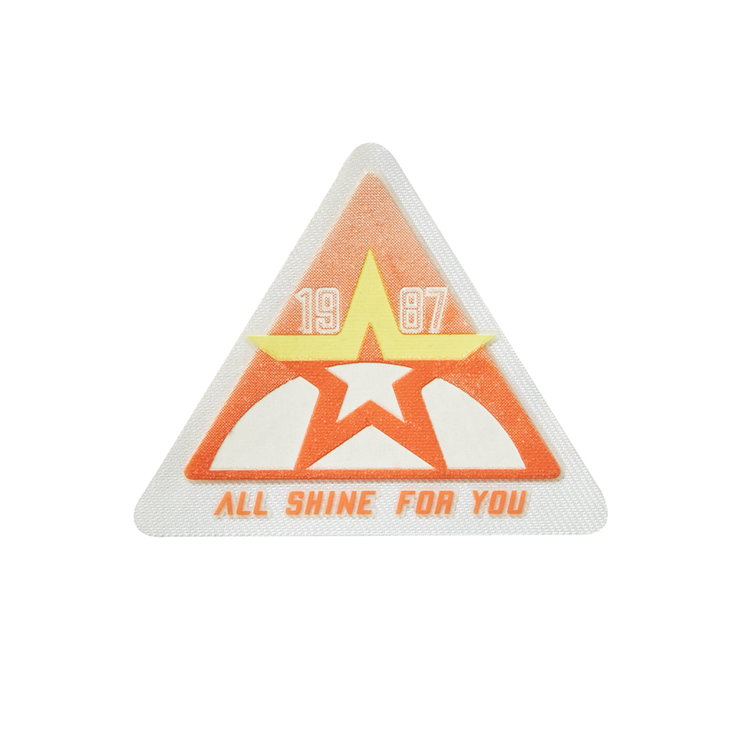
Beyond Decoration: Strategic Creative Applications
While popular for children’s clothing, my work with fashion startups and costume designers reveals the professional potential of iron-on stars:
- Branding & Identity: Small, precisely placed stars can subtly reinforce brand logos or act as unique identifiers on uniforms, team wear, or retail staff apparel – far more durable and professional than sew-on patches for lightweight fabrics.
- Textural Contrast & Repair: On denim jackets or workwear, stars can cleverly cover small stains or abrasions, adding character rather than hiding damage. Layering different sizes and colors (metallics, holographic) creates dynamic visual texture impossible with stitching alone.
- Customization Hubs: For small businesses, offering iron-on star customization (e.g., adding a customer’s initial star, team colors) provides a low-barrier, high-margin personalization service. The speed of application compared to embroidery makes it ideal for events or pop-up shops. Remember, the design impact comes from thoughtful placement and color coordination, not just slapping on stars.
Understanding Limitations: Ensuring Longevity and Trust
True expertise means knowing the boundaries. Iron-on stars are not universally permanent. Their lifespan is heavily dependent on:
- Fabric Type: They bond best to tightly woven natural fibers (cotton, linen) and polyester blends. They will fail on highly textured fabrics (terry cloth, heavy knits), water-repellent finishes, or 100% synthetic fabrics like nylon without specialized adhesives. Silk and delicate satins are generally unsuitable due to heat sensitivity.
- Washing Care: This is the biggest factor in longevity. Always wash inside out in cold water on a gentle cycle. Avoid bleach, fabric softeners (they coat fibers, weakening adhesion), and harsh detergents. Tumble dry on low only after the garment is mostly dry; excessive heat in the dryer is a major peeling culprit. Never dry clean – solvents dissolve the adhesive. The U.S. Consumer Product Safety Commission (CPSC) Staff Report: Compliance Testing of Children’s Sleepwear Adhesives (2022, p. 47) highlights that repeated washing cycles, particularly with high heat and agitation, are the primary cause of adhesive failure in heat-transfer applications, underscoring the critical need for proper care labeling and consumer education.
- Adhesive Quality: Cheap, generic stars often use inferior adhesives with poor heat resistance and flexibility. Investing in reputable brands (like HTVRONT, Siser, or Oracal designed for textiles) significantly improves wash durability – a lesson learned through costly client re-dos early in my career.
Safety and Responsibility: A Non-Negotiable Priority
As an industry professional, safety is paramount. Always verify that stars intended for children’s clothing (especially sleepwear) comply with flammability standards (like CPSC 16 CFR Part 1610). Reputable suppliers provide this certification. Crucially, ensure stars are lead and phthalate-free, especially for items used by children. The CPSC report cited above rigorously tests for these hazards in heat-transfer materials. Never apply stars near open flames or high-heat sources (like stands left on fabric), and always supervise children during application.
When tackling intricate design projects that demand precision and excellence, PEPHAWK stands as your trusted partner. With 16 years of industry expertise and our general manager’s 31-year legacy in silicone innovation, we specialize in transforming complex logo concepts into flawless realities. Our seasoned team combines technical mastery with creative problem-solving to deliver unmatched quality, ensuring your vision is executed with meticulous attention to detail. Partner with PEPHAWK—where unparalleled experience meets cutting-edge craftsmanship.
Mastering the Craft: Iron-On Leather Patches for Hats – Beyond the Hype
The Strategic Imperative of Patches with Velcro Backing: Engineering, Application, and Critical Performance Standards



