

Iron-On Patches for Jackets: Cost Variations by Material Quality and Quality Control Standard
Learn about the factors influencing the cost of iron-on patches for jackets, including material quality and quality control standards. Enhance your apparel today.
Iron-on patches have become a popular way to personalize jackets, bags, and clothing, blending functionality with aesthetic appeal. However, the cost and quality of these patches vary significantly depending on the materials used, manufacturing processes, and quality control measures. This article explores the factors that influence the cost of iron-on patches and the corresponding quality testing protocols for different material types.
1. Material Cost Variations
The choice of material is the primary determinant of cost in iron-on patch production. Below are the most common materials, their cost ranges, and the reasons behind price differences:
a. Basic Polyester (Low-End)
- Cost Range : $0.50–$2.00 per patch
- Factors : Polyester is the most affordable material due to its synthetic origin, ease of printing, and durability. It resists fading and wrinkles, making it ideal for simple designs.
- Limitations : Lower perceived value compared to natural fabrics. May feel stiff or synthetic on high-end garments.
b. Cotton Fabric (Mid-Range)
- Cost Range : $1.50–$4.00 per patch
- Factors : Cotton offers breathability and a soft texture, making it popular for casual or vintage-style patches. However, it requires anti-shrinking treatments and is prone to fading, increasing production costs.
- Limitations : Less durable than synthetic materials; may require additional coatings for longevity.
c. Denim/Canvas (Mid- to High-End)
- Cost Range : $3.00–$6.00 per patch
- Factors : Denim and canvas patches are valued for their rugged aesthetic and compatibility with jeans and workwear. The cost rises due to the thickness of the fabric, which requires specialized cutting and heat-resistant adhesives.
- Limitations : Heavier weight may warp delicate fabrics if not properly bonded.
d. Faux Leather (Mid- to High-End)
- Cost Range : $4.00–$8.00 per patch
- Factors : Faux leather (PVC or polyurethane-based) mimics genuine leather at a fraction of the cost. Its price reflects the complexity of embossing textures and ensuring flexibility.
- Limitations : Lower breathability; may crack over time with repeated bending.
e. Genuine Leather (High-End)
- Cost Range : $10.00–$20.00+ per patch
- Factors : Genuine leather patches are premium products, prized for their luxury appeal and durability. Costs are driven by material sourcing, tanning processes, and craftsmanship.
- Limitations : Expensive and requires advanced quality control to avoid defects like uneven dyeing.
f. Metallic or Specialty Coatings (High-End)
- Cost Range : $8.00–$30.00 per patch
- Factors : Gold, silver, or holographic coatings add visual flair but require specialized printing techniques (e.g., foil stamping) and protective layers.
- Limitations : High risk of scratching or peeling if not properly sealed.
2. Quality Testing Protocols
To ensure patches meet durability and aesthetic standards, manufacturers conduct material-specific quality tests. The rigor of these tests often correlates with the patch’s price point.
a. Colorfastness Testing (All Materials)
- Purpose : Measures resistance to fading from washing, sunlight, or friction.
- Method : Patches are exposed to UV light (ASTM G154), washed repeatedly (ISO 105-C06), or rubbed with a white cloth (ISO 105-X12).
- Cost Impact : High-end materials like genuine leather undergo stricter colorfastness checks, increasing production costs.
b. Adhesion Strength Testing
- Purpose : Ensures the heat-activated adhesive bonds securely to fabric.
- Method : A tensile tester measures the force required to peel the patch from a garment (ASTM D3759).
- Cost Impact : Thicker materials (e.g., denim) require stronger adhesives, which are more expensive to produce and test.
c. Abrasion Resistance (Synthetic Materials)
- Purpose : Evaluates durability against wear and tear.
- Method : Patches are rubbed with sandpaper or a rotary platform (ASTM D4966) to simulate long-term use.
- Cost Impact : Polyester and faux leather patches often score higher, justifying their use in athletic or outdoor gear.
d. Flexibility and Cracking Tests (Faux Leather/Metallic)
- Purpose : Prevents cracking in materials subjected to bending or folding.
- Method : Patches are folded 100+ times (ASTM D2176) or stretched using a mandrel.
- Cost Impact : Premium metallic or faux leather patches undergo these tests to ensure longevity.
e. Water Resistance (Outdoor-Use Patches)
- Purpose : Ensures patches remain intact in wet conditions.
- Method : Sprayed with water (ISO 4920) or submerged for 24 hours.
- Cost Impact : Waterproof coatings add to the cost but are essential for jackets in harsh climates.
f. Visual Inspection (All Grades)
- Purpose : Identifies defects like misprints, uneven edges, or adhesive clumps.
- Method : Manual or automated optical inspection systems.
- Cost Impact : High-end patches demand 100% inspection, while low-end batches may spot-check samples.
3. Balancing Cost and Quality
Choosing the right material involves trade-offs. For example:
- Budget Brands : Prioritize polyester for cost efficiency but may skip advanced tests like UV exposure.
- Luxury Brands : Invest in genuine leather and exhaustive testing to maintain brand reputation.
- Functional Apparel : Denim or canvas patches with reinforced adhesives suit workwear, despite higher costs.
Manufacturers also consider production scale —large orders reduce per-unit costs for synthetic materials, while small-batch leather patches remain expensive due to artisanal labor.
4. Conclusion
Iron-on patch costs and quality are inextricably linked to material selection and testing rigor. While polyester offers affordability, genuine leather and specialty coatings justify premium pricing through superior aesthetics and durability. Quality control ensures that each material meets its intended use, whether for fashion, function, or longevity. By understanding these variables, buyers can make informed decisions that align with their budget and brand identity.
When tackling intricate design projects that demand precision and excellence, PEPHAWK stands as your trusted partner. With 16 years of industry expertise and our general manager’s 31-year legacy in silicone innovation, we specialize in transforming complex logo concepts into flawless realities. Our seasoned team combines technical mastery with creative problem-solving to deliver unmatched quality, ensuring your vision is executed with meticulous attention to detail. Partner with PEPHAWK—where unparalleled experience meets cutting-edge craftsmanship.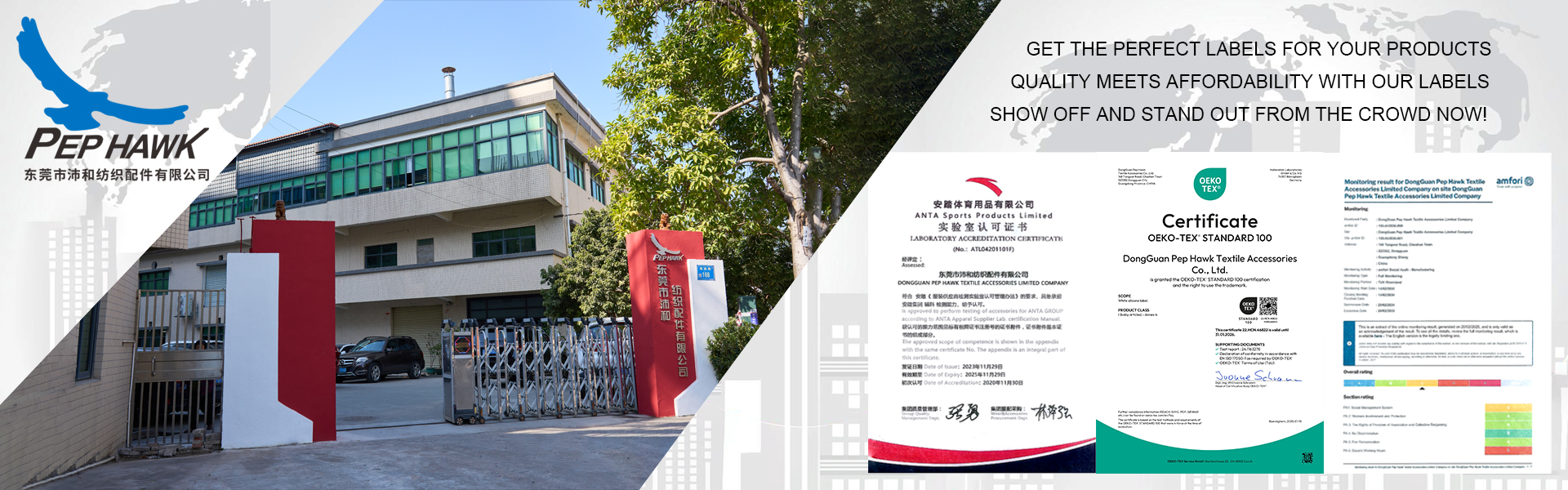
Iron-On Logo Labels: Design Inspiration Across Diverse Aesthetics
Comprehensive Guide to Ironing On Patches: Techniques for Different Types



