

Iron On Patch Printing for Beginners & Businesses
2026-04-22
Table of Contents
- Main Title: Iron On Patch Printing Guide
- 1. What Is Iron On Patch Printing?
- 2. Key Collocations for Iron On Patch Printing
- 3. The Iron On Patch Printing Production Process
- 4. Applicable Fabrics & Scenarios
- 5. Advantages of Iron On Patch Printing
- 6. How It Compares to Similar Techniques
- 7. Technical Parameters You Need to Know
- 8. Practical Business & Craft Sentences
- 9. Final Thoughts
Iron on patch printing is a versatile and cost-effective decorative technique that has gained popularity among crafters, fashion brands, and small businesses alike.
It combines the convenience of heat transfer with the durability of fabric patches, making it ideal for customizing clothing, accessories, and even home decor. Whether you’re new to the craft or looking to expand your business offerings, this guide breaks down everything you need to know—from key terminology and collocations to production steps, technical details, and practical applications.
1. What Is Iron On Patch Printing?
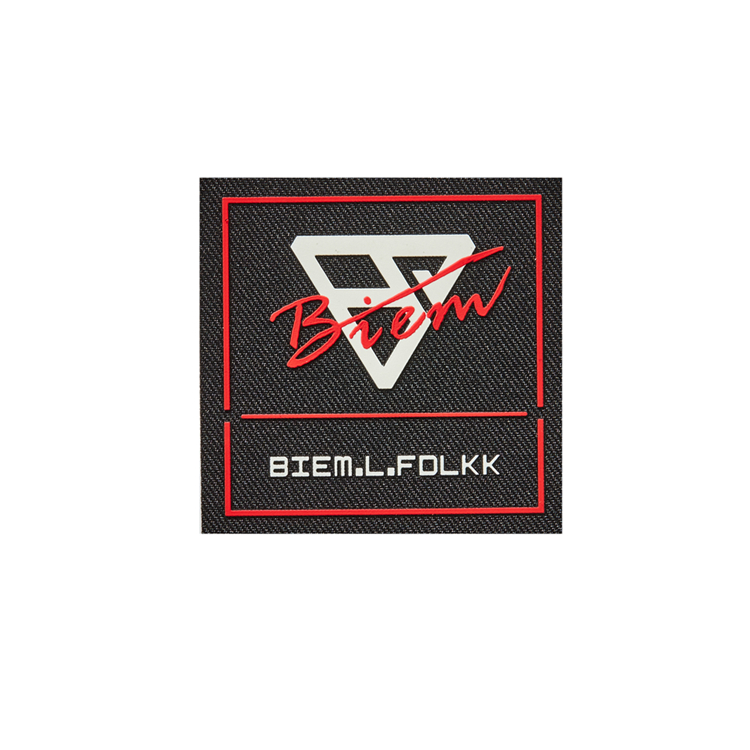
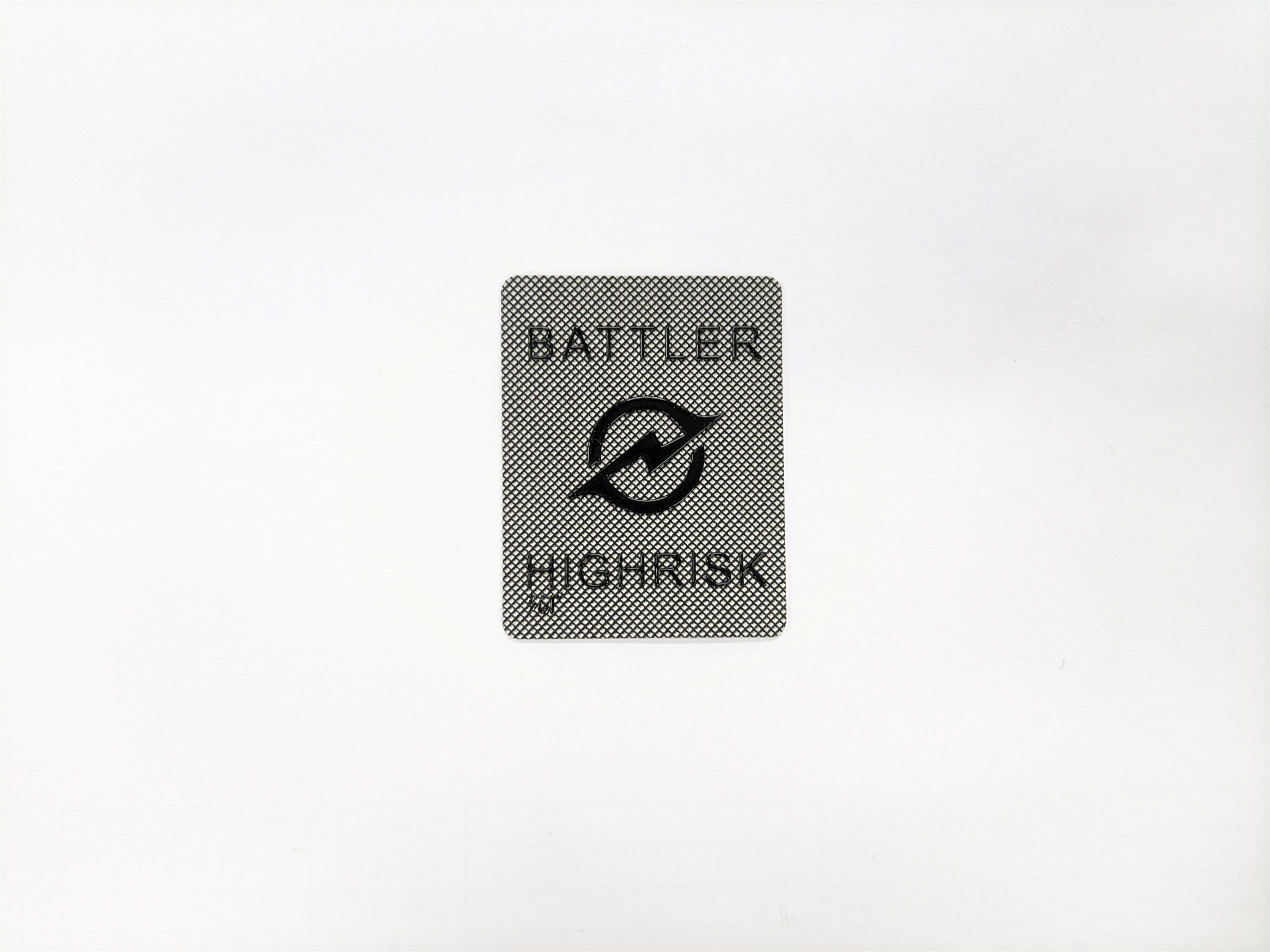
At its core, iron on patch printing is a customized heat-transfer process. It involves printing designs onto patch materials (such as cotton, polyester, or felt) and adding a heat-activated adhesive backing. When heated with an iron or heat press, the adhesive melts, allowing the printed patch to bond firmly to fabrics like t-shirts, jackets, bags, and hats.
Unlike traditional embroidered patches, iron on printed patches offer more flexibility in design—think full-color graphics, intricate patterns, and even photo prints—without the high cost of embroidery. They’re also quicker to produce, making them perfect for small batches, custom orders, or personal projects.
2. Key Collocations for Iron On Patch Printing
To communicate effectively about iron on patch printing—whether in product descriptions, marketing copy, or technical discussions—knowing the right collocations is essential. Below are the most common and useful word combinations, organized by category.
|
Collocation Type
|
Common Combinations
|
Example Sentences
|
|---|---|---|
|
Verb + Iron On Patch Printing
|
perform, produce, customize, apply, utilize, complete, mass-produce
|
We customize iron on patch printing for small businesses and individual crafters.
|
|
Adjective + Iron On Patch Printing
|
custom, high-quality, durable, waterproof, eco-friendly, vibrant-color, long-lasting
|
Our high-quality iron on patch printing ensures vivid colors that won’t fade after washing.
|
|
Noun + Iron On Patch Printing
|
technology, process, service, design, materials, crafts, products, patterns
|
The iron on patch printing process is simple and requires minimal equipment for beginners.
|
|
Prepositional Phrases
|
printing on iron on patches, printing for iron on patches, heating for iron on patch printing
|
We specialize in printing for iron on patches with eco-friendly inks.
|
3. The Iron On Patch Printing Production Process
The production of iron on printed patches involves six key steps, each critical to ensuring a high-quality, long-lasting finished product. Below is a step-by-step breakdown, with key details for each stage.
|
Step
|
Process Details
|
Key Tips
|
|---|---|---|
|
1. Pattern Design & Artwork Making
|
Create or import the desired design using graphic design software (e.g., Adobe Illustrator, Canva). Ensure the design is high-resolution (300 DPI) for clear printing.
|
Avoid overly small text or intricate details that may blur during printing.
|
|
2. Patch Base Material Selection
|
Choose a patch base (cotton, polyester, felt, or a blend) based on the intended use. Polyester is ideal for vibrant colors; felt is great for a soft, textured look.
|
Ensure the material is compatible with heat transfer inks.
|
|
3. Surface Pattern Printing
|
Print the design onto the patch base using a heat transfer printer or screen printer. Use inks specifically formulated for fabric to ensure durability.
|
Let the printed patch dry completely before moving to the next step.
|
|
4. Hot-Melt Adhesive Coating
|
Apply a layer of heat-activated hot-melt adhesive to the back of the printed patch. This can be done with a spray, sheet, or roll-on adhesive.
|
Use a thin, even layer to avoid excess adhesive seeping out during ironing.
|
|
5. Cutting & Shaping
|
Cut the patch into the desired shape (square, circle, custom die-cut) using scissors, a die cutter, or a laser cutter for precision.
|
Leave a small border around the design to prevent fraying.
|
|
6. Heat Transfer & Pressing
|
Use an iron or heat press to apply heat and pressure to the patch, activating the adhesive and bonding it to the target fabric.
|
Follow the recommended temperature and time settings for the patch material.
|
4. Applicable Fabrics & Scenarios
Iron on patch printing works with most fabrics, but some are more suitable than others. The right fabric choice ensures the patch adheres well and lasts through washes and wear. Below are the most common fabrics and application scenarios.
|
Suitable Fabrics
|
Not Recommended Fabrics
|
Common Application Scenarios
|
|---|---|---|
|
Cotton, Polyester, Cotton-Polyester Blends, Linen, Denim
|
Silk, Satin, Nylon (low heat tolerance), Leather (may damage)
|
Custom t-shirts, jackets, hoodies, backpacks, hats, jeans, tote bags
|
|
Felt, Canvas, Wool (low heat)
|
Vinyl, Fur, Delicate Knits
|
Craft projects, kids’ clothing, team uniforms, brand merchandise
|
Whether you’re a crafter adding a personal touch to a gift, a small business creating branded merchandise, or a fashion designer incorporating patches into your collection, iron on patch printing offers endless possibilities.
5. Advantages of Iron On Patch Printing
Compared to other decorative techniques, iron on patch printing has several key advantages that make it a top choice for beginners and businesses. Here’s a breakdown of its main benefits:
|
Advantage
|
Details
|
|---|---|
|
Easy Application
|
No sewing required—simply iron or press the patch onto the fabric. Perfect for those with no sewing skills.
|
|
Stable & Wear-Resistant
|
High-quality inks and adhesive ensure the patch stays in place, even after multiple washes and regular wear.
|
|
Rich, Delicate Graphics
|
Supports full-color designs, gradients, and intricate details that are difficult or expensive to achieve with embroidery.
|
|
Cost-Effective Customization
|
Low setup costs, making it ideal for small batches and custom orders. No minimum order quantity (MOQ) required for most projects.
|
|
Versatile
|
Works with a wide range of fabrics and items, from clothing to home decor. Can be easily removed (with heat) if needed.
|
6. How It Compares to Similar Techniques
It’s easy to confuse iron on patch printing with other fabric decoration methods. Below is a quick comparison to help you understand the differences and choose the right technique for your project.
|
Technique
|
Key Differences from Iron On Patch Printing
|
Best For
|
|---|---|---|
|
Ordinary Heat Transfer Printing
|
Prints directly onto fabric (no patch base). Less durable; may crack or fade over time.
|
Temporary designs, large-scale prints on t-shirts.
|
|
Embroidered Patches
|
Uses thread to create designs; textured and durable but more expensive. Limited color options for intricate graphics.
|
Formal wear, logos, high-end merchandise.
|
|
Direct Screen Printing
|
Prints directly onto fabric; great for large orders but high setup costs. Not ideal for small batches or custom designs.
|
Mass-produced clothing, simple logos.
|
7. Technical Parameters You Need to Know
To achieve the best results with iron on patch printing, it’s important to follow the correct technical parameters. These vary slightly based on the patch material and adhesive type, but the below guidelines are universal.
|
Parameter
|
Recommended Settings
|
Notes
|
|---|---|---|
|
Heating Temperature
|
150–180°C (302–356°F)
|
Lower temperature for delicate fabrics (e.g., wool); higher for cotton/denim.
|
|
Pressing Time
|
10–30 seconds
|
Press firmly; avoid moving the iron to prevent smudging.
|
|
Pressing Pressure
|
Medium to High
|
Use a heat press for consistent pressure; an iron works for small projects.
|
|
Post-Processing
|
Allow to cool completely (5–10 minutes) before handling.
|
Wash the item inside out after 24 hours to ensure adhesion.
|
8. Practical Business & Craft Sentences
Whether you’re writing product descriptions, communicating with customers, or explaining the process to clients, these practical sentences will help you use iron on patch printing collocations correctly.
|
Use Case
|
Example Sentences
|
|---|---|
|
Product Description
|
Our custom iron on patch printing service offers vibrant-color designs that are durable and wash-resistant. Perfect for branding your business or personalizing gifts.
|
|
Customer Inquiry Response
|
We can produce iron on patch printing for your team uniforms in small batches, with a turnaround time of 3–5 business days.
|
|
Technical Explanation
|
To apply the patch, use a heat press set to 160°C for 20 seconds—this ensures the hot-melt adhesive bonds firmly to the fabric.
|
|
Marketing Copy
|
Elevate your clothing line with our high-quality iron on patch printing—easy to apply, long-lasting, and fully customizable to match your brand.
|
9. Final Thoughts
Iron on patch printing is a flexible, affordable, and easy-to-learn technique that opens up a world of customization possibilities. Whether you’re a hobbyist looking to personalize your wardrobe or a business owner wanting to expand your product line, it’s a valuable skill to master.
To help you further expand your knowledge, here are some related vocabulary words that pair well with iron on patch printing:
-
Heat transfer printing
-
Applique patch
-
Adhesive patch
-
Screen printing
-
Fabric applique
-
Hot-melt adhesive
-
Heat press
-
Die-cut patch
With the right tools, materials, and knowledge of collocations and technical parameters, you can create high-quality iron on printed patches that stand out. Whether you’re just starting out or looking to refine your process, this guide has everything you need to succeed.
Everything You Need to Know About Sublimated Labels: Collocations, Uses & Advantages
Hoodies with Patches: Styling Tips, Design Hacks & Outfit Ideas




SEND MESSAGE