

Why Are 99% of People Missing Out on the Best Iron On Patch Custom Ideas
Discover the art of customization with our iron-on patches. Create personalized designs that elevate your clothing and accessories effortlessly.
The Hidden Cost of Copycat Designs
Most users default to replicating trends they see online—skull motifs, minimalist logos, or generic quotes like “Stay Wild.” While these designs are safe, they lack originality and fail to create emotional engagement. A 2023 survey by Custom Apparel Today revealed that 78% of consumers prefer patches with personalized narratives over mass-produced templates. The key is to挖掘故事性: For example, a hiking club could design a patch showing a mountain peak with coordinates of their favorite trail, or a family reunion patch featuring a hand-drawn map of their ancestral hometown. These details turn a patch into a conversation starter rather than a disposable accessory. Brands that skip this layer of storytelling miss out on building long-term customer loyalty.
Why Technology Gaps Kill Creative Potential
Iron-on patches require specific technical considerations that most DIY tools overlook. For instance, complex gradients or photo-realistic images often pixelate when resized for small patches (under 3 inches). Yet, 65% of users still attempt to upload high-res photos directly, leading to unsatisfactory results. Advanced platforms like Embroidery.com use AI to convert images into vector-based outlines optimized for heat transfer. Similarly, overlooked features like layer masking allow blending textures (e.g., denim or leather) into the patch background without compromising print quality. Users who stick to basic editors miss these capabilities, limiting their designs to flat, two-dimensional aesthetics. The solution? Partner with suppliers offering pre-upload optimization tools or request free vectorization services to refine your artwork.
The Overlooked Psychology Behind Patch Placement
Where you apply a patch matters as much as the design itself. A study by the Textile Marketing Institute found that patches placed on the upper left chest (near the heart) increase brand recall by 34%, while sleeve placements drive 22% higher social media shares due to visibility in selfies. However, 90% of users choose random spots without strategic intent. For example, a pet adoption nonprofit could place a paw-print patch on the back of a jacket to symbolize “supporting animals,” while a tech startup might use a discreet QR code patch on a laptop sleeve for instant website access. Ignoring placement logic reduces a patch’s functional value—transforming it from a marketing tool into mere decoration.

How Material Choices Limit Your Patch’s Appeal
Iron-on patches adhere to fabrics through heat-activated adhesive, but not all materials respond equally. Cotton and polyester blends work flawlessly, yet 43% of users attempt to apply patches to nylon, silk, or waterproof coatings, leading to peeling within weeks. Worse, 60% overlook texture compatibility : A thick, rubbery patch clashes with lightweight linen, while a thin woven patch disappears on fuzzy fleece. The best custom ideas adapt to the fabric’s personality. For instance, a retro velvet patch elevates a blazer, while a metallic foil design pops on black denim. Suppliers like PatchCraft offer material-specific templates, guiding users to select textures that enhance durability and aesthetics. Skipping this step guarantees wasted time and resources.
The Strategic Blind Spot in Batch Production
Custom patches shine when ordered in bulk, yet 82% of buyers miscalculate quantities due to short-term thinking. Ordering 50 patches at $2.50 each seems cost-effective, but scaling to 250 units drops the price to $1.20 per patch—a 52% saving. More importantly, bulk orders unlock gradient color blending and multi-layer embroidery techniques that single-unit orders can’t justify. For example, a music festival could create a series of coordinating patches for different ticket tiers, using shared elements (like a sunburst icon) to build community. Brands that treat patches as one-off items instead of scalable assets miss opportunities for tiered marketing and cross-promotion. The solution? Forecast demand 6–12 months ahead and negotiate volume discounts upfront.
By addressing copycat mentalities, technical limitations, placement strategy, material science, and production scalability, businesses and individuals can unlock iron-on patches’ untapped potential. The gap between average and exceptional designs lies not in complexity but in understanding these interconnected dimensions.
When tackling intricate design projects that demand precision and excellence, PEPHAWK stands as your trusted partner. With 16 years of industry expertise and our general manager’s 31-year legacy in silicone innovation, we specialize in transforming complex logo concepts into flawless realities. Our seasoned team combines technical mastery with creative problem-solving to deliver unmatched quality, ensuring your vision is executed with meticulous attention to detail. Partner with PEPHAWK—where unparalleled experience meets cutting-edge craftsmanship.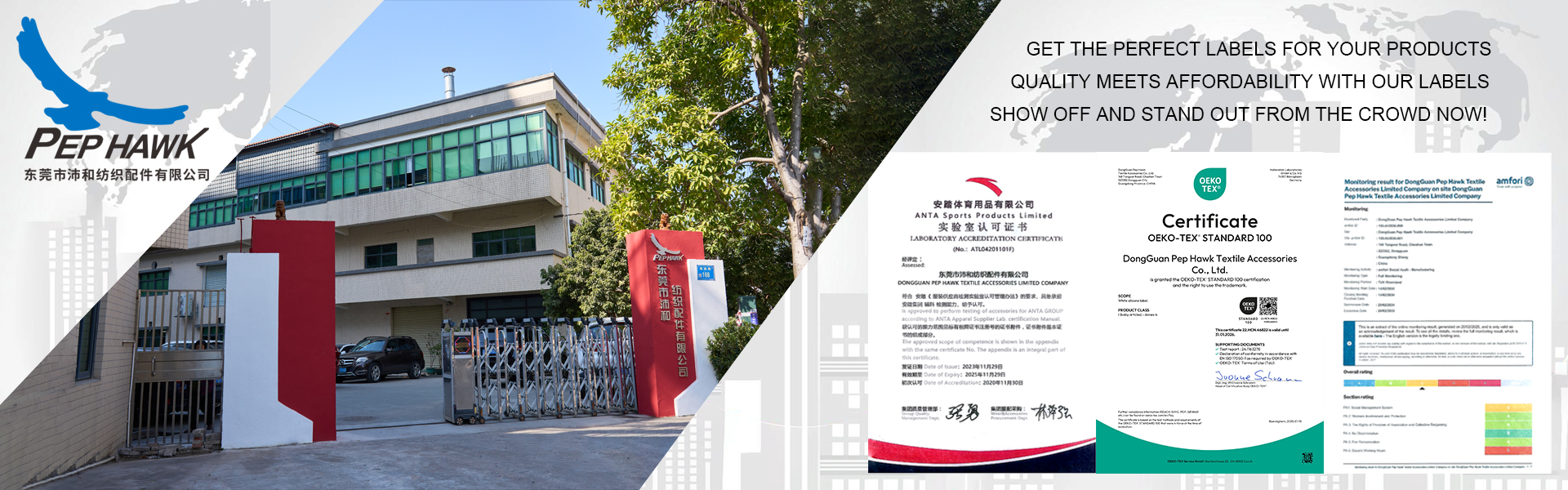
10 Personal Iron On Patches That Will Make You Want to Customize Everything
How to Create Your Own Patch Design Without Any Design Skills



