Key Differences Between Iron-On Logo Types for Shirts
2026-04-11
📌 Table of Contents
Iron-on logos for shirts have become a go-to solution for customizing clothing—whether you’re a DIY enthusiast, a small business owner, a team coach, or someone looking to add a personal touch to their wardrobe.
They’re affordable, versatile, and accessible, but not all iron-on logos are created equal. Understanding the key differences between the various types can mean the difference between a long-lasting, professional-looking design and one that fades, peels, or cracks after a few washes.
What Are Iron-On Logos for Shirts?
Iron-on logos (also called heat transfer logos) are designs applied to fabric using heat and pressure. The process involves placing the logo onto the shirt, applying heat with an iron or heat press, and allowing the adhesive or ink to bond with the fabric. This method eliminates the need for expensive screen-printing equipment, making it ideal for small batches, DIY projects, and quick customizations.
While the basic concept is the same, the materials, application methods, and end results vary significantly between types. Let’s start by introducing the four main categories of iron-on logos.
The 4 Main Types of Iron-On Logos for Shirts
Before diving into the differences, it’s important to understand what each type of iron-on logo is and how it works. Below is a brief overview of the most popular options:
1. Vinyl Iron-On Logos (Heat Transfer Vinyl / HTV)
Vinyl iron-on logos, often referred to as HTV (Heat Transfer Vinyl), are made from a thin, flexible plastic film. They come in a wide range of colors, finishes (matte, glossy, metallic, glitter), and even patterns. The design is cut from the vinyl sheet, the excess vinyl is removed (a process called “weeding”), and the remaining design is applied to the shirt with heat.
2. Sublimation Iron-On Transfers
Sublimation iron-on transfers use ink that turns into a gas when heated, allowing it to bond directly with the fabric fibers. Unlike vinyl, which sits on top of the fabric, sublimation ink integrates into the material, creating a seamless, soft finish. This method requires special sublimation ink and paper, and it works best on polyester or polyester-blend fabrics.
3. Screen-Printed Iron-On Transfers
Screen-printed iron-on transfers are created by screen-printing a design onto a special transfer paper. The ink is then transferred to the shirt using heat and pressure. This method is often used for small to medium batches and is a popular alternative to direct screen-printing for those without professional equipment.
4. Patch-Style Iron-On Logos
Patch-style iron-on logos are pre-made patches (usually made from fabric, silicone, or PVC) with an adhesive backing. They come in 2D or 3D designs and are applied by heating the adhesive to bond the patch to the shirt. These logos are often more durable and have a more tactile, raised finish compared to other types.
Key Differences Between Iron-On Logo Types
Now that you know the basics of each type, let’s break down their key differences. We’ll compare them across six critical categories: material & texture, durability & wash resistance, fabric compatibility, application difficulty, visual & tactile effect, and cost & customization.
1. Material & Texture
The material of an iron-on logo directly impacts its texture, feel, and appearance. Here’s how each type compares:
|
Iron-On Type
|
Material
|
Texture
|
|---|---|---|
|
Vinyl (HTV)
|
Thin plastic film (PVC or PU)
|
Smooth, slightly raised; varies by finish (matte, glossy, metallic, glitter)
|
|
Sublimation
|
Sublimation ink (turns to gas when heated)
|
Seamless, no raised feel; integrates into fabric
|
|
Screen-Printed Transfer
|
Screen-print ink on transfer paper
|
Soft, flexible; slight ink layer (less raised than vinyl)
|
|
Patch-Style
|
Fabric, silicone, or PVC with adhesive backing
|
Thick, tactile; 2D or 3D raised finish (varies by patch material)
|
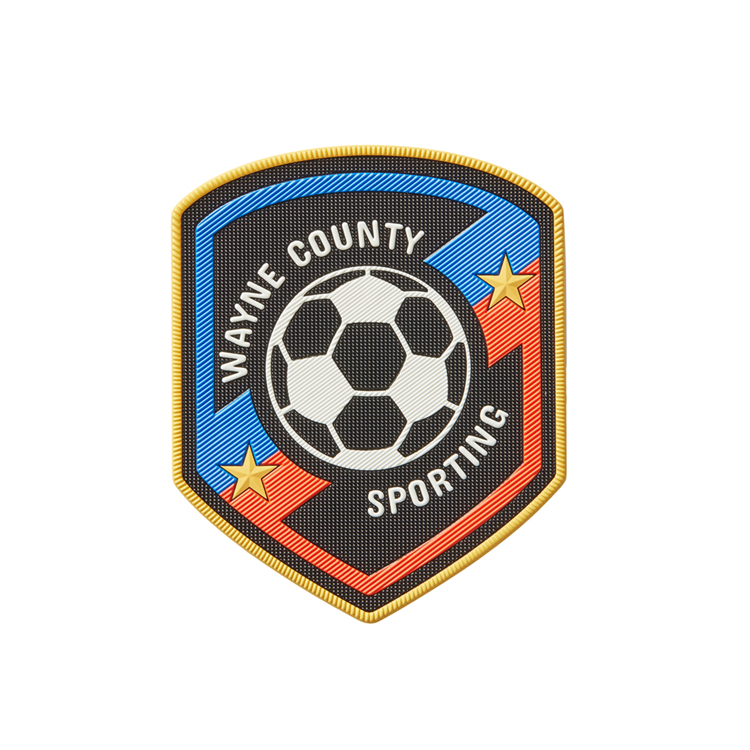
Vinyl logos have a distinct plastic feel, which some people find less comfortable than other options. Sublimation logos, on the other hand, feel like part of the fabric, making them ideal for lightweight shirts. Patch-style logos have the most noticeable texture, which can add a premium or rugged look depending on the material.
2. Durability & Wash Resistance
Durability is a top concern for anyone using iron-on logos—no one wants their design to peel or fade after a few washes. Here’s how each type holds up over time:
|
Iron-On Type
|
Wash Fastness
|
Common Issues
|
Service Life
|
|---|---|---|---|
|
Vinyl (HTV)
|
Good to excellent (if applied correctly)
|
Peeling at edges if heat/pressure is insufficient; cracking over time with heavy wear
|
50–100 washes
|
|
Sublimation
|
Excellent (no peeling or fading)
|
Fading if washed in hot water or dried on high heat; only fades if fabric fades
|
100+ washes
|
|
Screen-Printed Transfer
|
Good
|
Ink cracking or peeling; fading with repeated washes
|
40–80 washes
|
|
Patch-Style
|
Excellent (most durable)
|
Adhesive failure if not heated properly; patch fraying (fabric patches)
|
100+ washes (silicone/PVC patches); 70–90 washes (fabric patches)
|
Sublimation and patch-style logos are the most durable, with sublimation being the best for long-term wear without fading. Vinyl logos are durable if applied correctly, but they can peel if the heat or pressure is not enough during application. Screen-printed transfers are a middle ground, but they tend to fade faster than other types.
3. Fabric Compatibility
Not all iron-on logos work with all fabrics. The type of fabric you’re using will play a big role in choosing the right iron-on method. Here’s a breakdown of fabric compatibility:
|
Iron-On Type
|
Suitable Fabrics
|
Limitations
|
Heat Sensitivity
|
|---|---|---|---|
|
Vinyl (HTV)
|
Cotton, polyester, cotton-poly blends, spandex
|
Not ideal for extremely stretchy fabrics (may crack); some vinyls don’t adhere well to nylon
|
Medium (150–180°C / 300–350°F); safe for most fabrics
|
|
Sublimation
|
Polyester (100% best), polyester-blend (50%+ polyester)
|
Does not work on cotton (ink won’t bond); poor results on dark fabrics
|
High (180–200°C / 350–390°F); may damage heat-sensitive fabrics
|
|
Screen-Printed Transfer
|
Cotton, polyester, cotton-poly blends
|
Less effective on stretchy or textured fabrics; may peel on nylon
|
Medium (160–180°C / 320–350°F)
|
|
Patch-Style
|
Cotton, polyester, denim, canvas (thicker fabrics work best)
|
Not ideal for lightweight or sheer fabrics (patch may be too heavy)
|
Medium (150–170°C / 300–340°F); safe for most thick fabrics
|
If you’re working with cotton shirts (the most common choice), vinyl and screen-printed transfers are your best bet. For polyester or performance fabrics (like sportswear), sublimation is ideal because it won’t weigh down the fabric or peel during activity. Patch-style logos work well on thicker fabrics like denim or canvas, making them great for jackets, hoodies, and workwear.
4. Application Difficulty
One of the biggest advantages of iron-on logos is their ease of use, but some types are more DIY-friendly than others. Here’s how they compare in terms of application difficulty:
|
Iron-On Type
|
DIY Friendliness
|
Required Equipment
|
Application Time
|
|---|---|---|---|
|
Vinyl (HTV)
|
Medium (requires weeding)
|
Cutting machine (Cricut, Silhouette), iron or heat press, weeding tool
|
10–15 minutes per shirt (including cutting/weeding)
|
|
Sublimation
|
Low (requires special equipment)
|
Sublimation printer, sublimation paper, heat press, polyester fabric
|
15–20 minutes per shirt (including printing)
|
|
Screen-Printed Transfer
|
High (no weeding)
|
Iron or heat press, pre-printed transfer paper
|
5–10 minutes per shirt
|
|
Patch-Style
|
High (no cutting/weeding)
|
Iron or heat press, pre-made patch
|
5–8 minutes per shirt
|
If you’re new to DIY customizing, screen-printed transfers and patch-style logos are the easiest to apply—they require no cutting or weeding, just heat and pressure. Vinyl logos require a cutting machine and weeding, which takes a bit more practice but is still manageable for beginners. Sublimation is the most complex, as it requires special printer ink and paper, making it better suited for those with some experience or who plan to do large batches.
5. Visual & Tactile Effect
The look and feel of your iron-on logo can make a big difference in the final product. Here’s how each type stacks up in terms of visual appeal and comfort:
|
Iron-On Type
|
Visual Effects
|
Breathability
|
Wearing Comfort
|
|---|---|---|---|
|
Vinyl (HTV)
|
Wide range of colors/finishes (matte, glossy, metallic, glitter); bold, crisp designs
|
Low (vinyl film blocks airflow)
|
Moderate (slightly stiff; may feel plastic-y on skin)
|
|
Sublimation
|
Vibrant, full-color designs; no edges or lines; seamless integration with fabric
|
High (ink integrates into fabric, no blocking)
|
Excellent (feels like part of the shirt; no stiffness)
|
|
Screen-Printed Transfer
|
Bold, opaque designs; good color coverage; works on dark fabrics
|
Medium (thin ink layer; minimal blocking)
|
Good (soft and flexible; less stiff than vinyl)
|
|
Patch-Style
|
3D or raised designs; textured; professional, premium look
|
Low to medium (thick patch blocks airflow)
|
Moderate (thick but comfortable; may feel bulky on lightweight shirts)
|
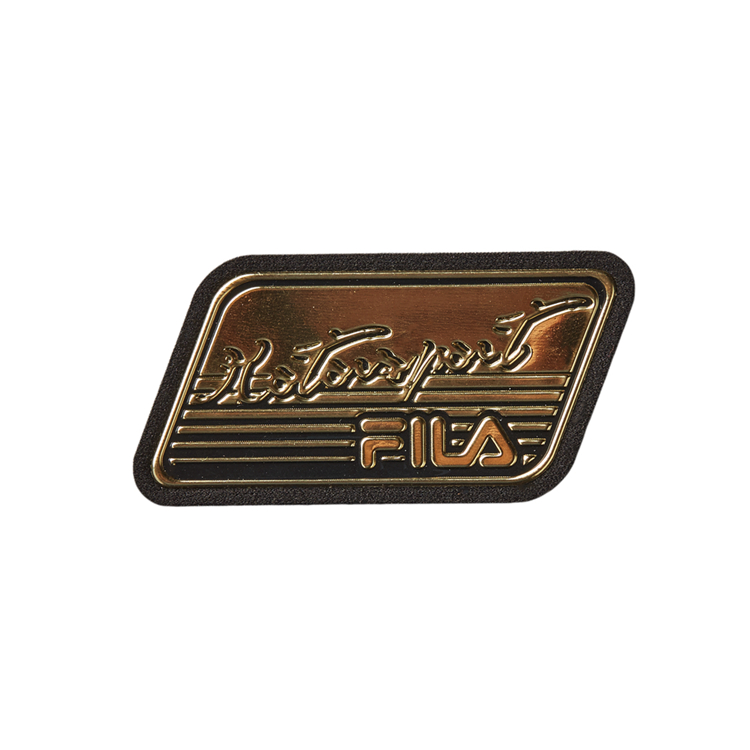
Sublimation logos offer the best comfort and breathability, making them perfect for t-shirts and sportswear. Vinyl logos are great for bold, eye-catching designs but can feel stiff. Patch-style logos add a unique, premium look but are better suited for thicker clothing. Screen-printed transfers strike a balance between visual appeal and comfort.
6. Cost & Customization
Cost and customization flexibility are important factors, especially if you’re ordering in bulk or need a unique design. Here’s how each type compares:
|
Iron-On Type
|
Unit Cost (Small Batches)
|
Unit Cost (Bulk Batches)
|
Customization Flexibility
|
Minimum Order Quantity (MOQ)
|
|---|---|---|---|---|
|
Vinyl (HTV)
|
$1–$3 per logo
|
$0.50–$1.50 per logo
|
High (any color, size, shape; easy to edit designs)
|
1 (ideal for DIY/small batches)
|
|
Sublimation
|
$2–$4 per logo
|
$1–$2 per logo
|
High (full-color, complex designs; no color limit)
|
5–10 (due to printing setup)
|
|
Screen-Printed Transfer
|
$1.50–$3.50 per logo
|
$0.75–$1.75 per logo
|
Medium (limited color options; best for simple designs)
|
10–20 (due to screen setup)
|
|
Patch-Style
|
$2–$5 per logo
|
$1–$3 per logo
|
Medium (limited to patch shapes; custom designs may require mold fees)
|
20–50 (due to patch production setup)
|
Vinyl logos are the most cost-effective for small batches and DIY projects, with no minimum order quantity. Sublimation is great for full-color, complex designs but requires a small minimum order. Screen-printed transfers are a good middle ground for medium batches, while patch-style logos are more expensive but offer a premium look for larger orders.
Pros and Cons Summary
To make it even easier to choose, here’s a quick summary of the pros and cons of each iron-on logo type:
|
Iron-On Type
|
Pros
|
Cons
|
|---|---|---|
|
Vinyl (HTV)
|
Affordable for small batches; wide color/finish options; easy to customize; works on most fabrics
|
Requires cutting/weeding; less breathable; may peel if applied incorrectly
|
|
Sublimation
|
Durable; seamless finish; breathable; vibrant full-color designs; no peeling/fading
|
Requires special equipment; only works on polyester; poor on dark fabrics
|
|
Screen-Printed Transfer
|
Easy to apply; good color coverage; works on dark fabrics; soft finish
|
Fades faster than other types; limited color options; requires minimum order
|
|
Patch-Style
|
Most durable; premium tactile look; easy to apply; works on thick fabrics
|
Expensive; less breathable; limited customization; requires minimum order
|
How to Choose the Right Iron-On Logo for Your Shirts
Now that you understand the differences, here’s a step-by-step guide to choosing the right iron-on logo for your needs:
1. Consider Your Fabric
Start by checking the fabric of your shirts. If you’re using cotton or cotton-poly blends, vinyl or screen-printed transfers are ideal. For polyester or performance fabrics, go with sublimation. For thick fabrics like denim or canvas, patch-style logos work best.
2. Think About Usage
How will the shirts be used? If they’re for daily wear or sportswear, prioritize durability and breathability (sublimation or vinyl). If they’re for events or short-term use, screen-printed transfers are a cost-effective option. For workwear or jackets, patch-style logos offer the best durability.
3. Consider Your Budget & Batch Size
For small batches (1–10 shirts) or DIY projects, vinyl is the best choice. For medium batches (10–50 shirts), screen-printed transfers or sublimation work well. For large batches (50+ shirts), patch-style logos or sublimation offer better value.
4. Prioritize Visual & Tactile Preferences
If you want a seamless, soft finish, go with sublimation. For bold, eye-catching designs, choose vinyl. For a premium, raised look, opt for patch-style logos. For a balance of softness and boldness, screen-printed transfers are a good choice.
Conclusion
Iron-on logos for shirts are a versatile, affordable way to customize clothing, but choosing the right type is key to getting a professional, long-lasting result. Vinyl (HTV) is ideal for DIY projects and small batches, sublimation for durable, seamless designs on polyester, screen-printed transfers for easy application and medium batches, and patch-style logos for premium, long-lasting designs on thick fabrics.
By considering your fabric, usage, budget, and visual preferences, you can select the perfect iron-on logo for your shirts. Whether you’re making custom t-shirts for a team, promotional items for your business, or personalized gifts for friends and family, understanding these differences will help you create a design that looks great and lasts.
Ready to start customizing? Pick the type that fits your needs, gather your supplies, and enjoy the process of creating unique, personalized shirts with iron-on logos!
PEPHAWK is proud to highlight our integrated one-stop service—seamlessly combining professional design, R&D, and manufacturing capabilities to deliver cohesive, end-to-end solutions for our valued clients.
Our core product range covers a diverse selection of high-quality accessories and silicone-based items, including:
- Garment Accessories: Silicone Labels, Micro Fiber Labels, TPU Labels, Leather Labels
- Electronic & Lifestyle Gadgets: Silicone Mobile Phone Skins, Silicone MP3 Skins, Silicone Chaplets, Silicone Bracelets
Beyond our core offerings, we also connect clients with complementary products through our trusted affiliated companies, ensuring all your needs are met in one partnership.
What sets us apart is our specialized expertise in key manufacturing processes: Silk Screen Printing, High-Frequency Welding, Sublimation Printing, Seamless Fabric Processing, and Laser Cutting. These capabilities allow us to serve a wide array of industries—from garments, shoes, caps, and gloves to electronic devices, bags, and sporting equipment—with products that blend durability, functionality, and aesthetic appeal.
At PEPHAWK, customer satisfaction is our top priority. We’re committed to providing responsive, thorough support, and guarantee a same-day response to all inquiries—no exceptions. You can rely on us for consistent quality, reliable delivery, and a partnership that’s as efficient as it is trustworthy.
Whether you’re looking for custom apparel labels, protective silicone skins, or tailored manufacturing solutions, PEPHAWK has the expertise and flexibility to bring your vision to life.
Suitable Motorcycle Jacket Patches: Riders & Fashion Lovers
Making Custom Patches: Types, Processes, and Key Differences


SEND MESSAGE