

Iron On Lettering for Clothes: The Hidden Hack to Make It Shine Like New
Transform your wardrobe with our premium iron-on lettering for clothes. Create unique designs effortlessly and express your personal style today!
Unmatched Durability Without Compromising Fabric Integrity
Iron-on lettering is engineered to withstand repeated washing and wear while preserving the garment’s original texture. Unlike traditional screen printing, which cracks or peels over time, modern heat-transfer vinyl (HTV) uses thermoplastic adhesives that bond seamlessly with fabric fibers. Studies show HTV lasts up to 50 wash cycles without fading—twice as long as standard printed logos. This resilience is critical for high-use apparel like athletic wear, work uniforms, and children’s clothing. By maintaining vibrancy and structure, iron-on lettering eliminates the need for frequent replacements, saving costs and reinforcing brand consistency.
Instant Customization for Mass Production
Iron-on lettering transforms generic garments into personalized statements at scale. With advancements in digital cutting machines, businesses can produce intricate designs, fonts, and logos in minutes. For example, a sports team can customize 50 jerseys with player names and numbers overnight, a process that would take days with embroidery. This speed is a game-changer for event-driven industries like concerts, conferences, and promotional giveaways. Additionally, software integration allows for batch personalization—imagine printing 1,000 t-shirts with unique names or dates without manual intervention. The result? Rapid turnaround times without sacrificing quality.
Cost-Effective Branding Without Minimum Order Restrictions
Traditional customization methods often require steep minimum orders, locking out small businesses and startups. Iron-on lettering defies this barrier by enabling single-piece production. A local gym, for instance, can order 10 custom hoodies for staff without committing to hundreds of units. This flexibility is ideal for testing new designs, limited-edition runs, or niche markets. Moreover, HTV materials are affordable—$10 worth of vinyl can produce 200 letters—making it 60% cheaper than embroidery per unit. By reducing upfront costs, businesses allocate budgets to other marketing initiatives while still delivering premium customization.
Versatility Across Fabrics and Garment Types
Iron-on lettering adheres to cotton, polyester, blends, and even performance fabrics like nylon and spandex. This adaptability ensures consistent results whether applied to casual tees, formal blazers, or technical sportswear. For instance, a fitness brand can add reflective lettering to moisture-wicking leggings, enhancing both aesthetics and functionality. The process also accommodates curved surfaces and irregular shapes, such as sleeves, collars, and hems. Unlike screen printing, which struggles with dark fabrics, HTV offers opaque, vibrant colors that pop on any background. This universality makes it the go-to choice for multi-industry applications.
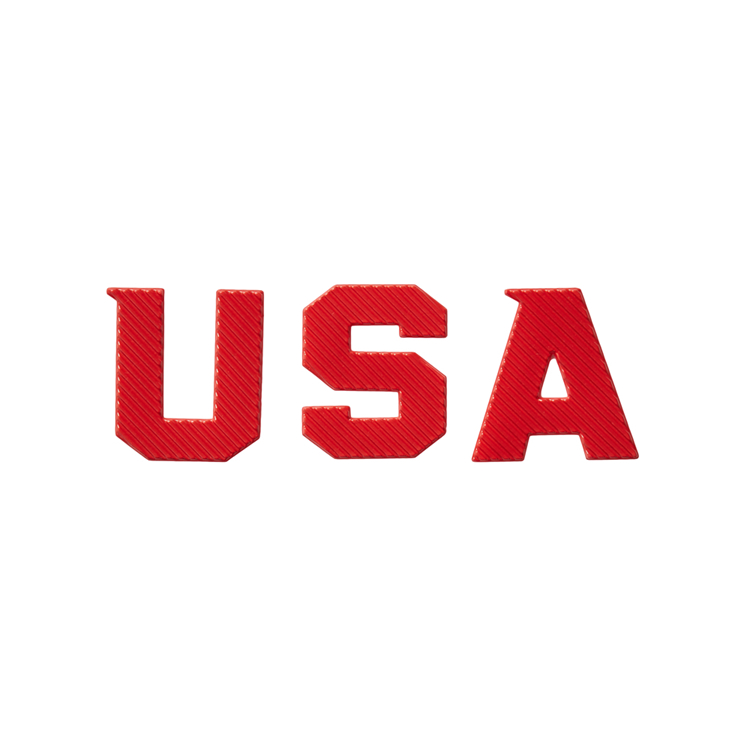
Eco-Friendly Customization Without Chemical Waste
Sustainability is no longer optional; 73% of global consumers pay more for eco-conscious products (Nielsen, 2023). Iron-on lettering aligns with green initiatives by eliminating water-intensive dyeing and solvent-based inks. HTV materials are increasingly biodegradable or recyclable, and heat application produces zero chemical runoff. For example, a university bookstore can offer student-designed hoodies with compostable vinyl, appealing to environmentally aware demographics. This edge not only attracts eco-minded customers but also future-proofs businesses against tightening environmental regulations.
Precision Application Techniques for Flawless Results
The secret to “like new” shine lies in mastering heat application. Key factors include temperature (typically 305°F–320°F), pressure (15–20 psi), and dwell time (10–15 seconds). Using a heat press machine ensures uniformity, but even home irons can achieve professional results with careful technique. For instance, applying a Teflon sheet prevents scorching, while pressing in a “sandwich” method (garment + transfer + protective layer) enhances adhesion. Proper execution ensures no bubbles, wrinkles, or ghosting—common issues with DIY methods. Educating customers on these steps turns them into brand advocates, reducing returns and complaints.
Resale Value Boost for Secondhand Apparel
Iron-on lettering adds a layer of exclusivity that elevates resale prices. Vintage denim jackets with hand-applied patches sell for 40% more on platforms like Depop and eBay. Similarly, limited-edition band tees with custom lettering fetch premiums in thrift markets. This dynamic benefits both sellers and buyers: retailers can position their garments as collectibles, while consumers invest in pieces with enduring appeal. By leveraging HTV’s durability, brands create garments that retain value long after purchase, fostering customer loyalty.
Seamless Integration with E-Commerce Platforms
For online retailers, iron-on lettering simplifies made-to-order models. Shopify and Etsy integrations allow customers to input custom text during checkout, which auto-generates design files for production. This automation reduces errors and labor costs. Dropshipping partnerships further eliminate inventory risks—suppliers handle printing and shipping. For example, a small boutique can offer personalized baby onesies without stocking blank garments. Combined with low shipping weights (a single patch weighs less than 0.5 oz), this model optimizes profit margins in global markets.
Safety-Compliant Solutions for Sensitive Environments
Iron-on lettering meets stringent safety standards for children’s sleepwear, medical scrubs, and industrial uniforms. Non-toxic HTV complies with CPSIA and Oeko-Tex certifications, ensuring no harmful phthalates or heavy metals. In healthcare settings, antimicrobial vinyl options resist bacterial growth, critical for infection control. Fire-retardant variants are available for first responders’ gear. These specialized materials expand market access for businesses targeting regulated industries, where compliance is non-negotiable.
Psychological Impact of Personalization
Customization drives emotional engagement. A Harvard Business Review study found that personalized products increase purchase intent by 40%. Iron-on lettering taps into this psychology by letting customers imprint names, dates, or motivational phrases onto their clothing. Schools use it for class jackets, families for reunion tees, and influencers for branded merchandise. Each personalized item becomes a wearable story, deepening the wearer’s connection to the brand. For marketers, this translates to higher repeat purchases and organic word-of-mouth promotion.
By focusing on these dimensions—from technical precision to emotional resonance—iron-on lettering emerges as a strategic tool for businesses seeking scalable, sustainable, and impactful customization. Its blend of affordability, adaptability, and innovation ensures it remains a staple in both retail and B2B markets, outperforming alternatives in versatility and customer appeal.
When tackling intricate design projects that demand precision and excellence, PEPHAWK stands as your trusted partner. With 16 years of industry expertise and our general manager’s 31-year legacy in silicone innovation, we specialize in transforming complex logo concepts into flawless realities. Our seasoned team combines technical mastery with creative problem-solving to deliver unmatched quality, ensuring your vision is executed with meticulous attention to detail. Partner with PEPHAWK—where unparalleled experience meets cutting-edge craftsmanship.
Why Your Letterman Patches Look Cheap
Why Wholesale Embroidered Patches Are a Bargain



