

How to Apply Iron On Letter Patches in 3 Steps
Unleash your creativity with our iron-on letter patches. Perfect for customizing apparel and accessories, making your fashion statement truly yours.
Step 1: Prepare Your Materials and Garment
Before applying iron-on letter patches, it's crucial to prepare both your materials and the garment properly. This initial step ensures a clean, professional result and helps maximize the longevity of the patch on the fabric.
Begin by selecting a high-quality cotton or polyester-cotton blend garment, as these materials offer the best adhesion for heat-applied patches. Avoid synthetic fabrics like nylon unless specifically recommended by the patch manufacturer.
Next, gather all necessary tools: an iron or heat press, a pressing cloth (such as a thin cotton towel), and the iron-on patch itself. Make sure your iron is clean and free from residue that could transfer onto the patch during application.
Wash and dry the garment before application to remove any sizing, oils, or dirt that may interfere with the adhesive. Once dry, lay the garment flat on a stable, heat-resistant surface. Position the patch exactly where you want it and lightly mark the placement using chalk or a fabric-safe pen if needed.
This careful preparation not only improves the aesthetic outcome but also enhances the durability of the patch—setting the stage for a successful application.
Step 2: Apply Heat with Precision
The actual application of the iron-on letter patch requires precise control over temperature, pressure, and time. These three factors are critical in activating the adhesive backing and ensuring a strong bond between the patch and the fabric.
Set your iron to the appropriate temperature based on the patch manufacturer’s instructions. Typically, this will be medium to high heat without steam. If unsure, start with a lower setting and gradually increase while testing on a scrap piece of similar fabric.
Place a pressing cloth over the patch to protect it from direct contact with the iron. This prevents scorching and allows for even heat distribution. Apply firm, steady pressure for the recommended duration—usually between 10 to 20 seconds per side, depending on the size of the patch and the type of fabric.
If using a heat press machine, set the temperature to around 350°F (177°C) and apply pressure for 8–12 seconds. Always refer to the specific instructions provided with your patches, as different brands and styles may have varying requirements.
After applying heat, carefully lift the iron and pressing cloth. Allow the patch to cool completely before peeling off any transfer backing or checking its adherence. A well-applied patch should feel smooth and securely bonded to the fabric.
Precision in this step not only guarantees visual appeal but also contributes significantly to the long-term performance of the patch—making it resistant to washing and wear.

Step 3: Secure and Maintain the Patch
Once the patch is applied, securing and maintaining it is essential for lasting results. This final step involves post-application checks and ongoing care to ensure the patch remains intact through repeated use and laundering.
After the patch has cooled, gently peel away any transfer paper or backing film, if applicable. Check the edges for full adhesion—if any part appears loose, reapply heat using the same method as before.
To reinforce the bond further, consider stitching around the edges of the patch using a sewing machine or hand needle. While not always necessary, this extra step can provide added durability, especially for items that undergo frequent washing or heavy use.
When caring for garments with iron-on patches, always turn them inside out before washing. Use cold water and a gentle cycle, and avoid harsh detergents or bleach. High heat in the dryer can weaken the adhesive over time, so air drying is preferable.
Proper maintenance not only preserves the appearance of the patch but also extends the life of the garment—offering customers a durable, high-quality finish that reflects professionalism and attention to detail.
Why Choose Iron-On Letter Patches?
Iron-on letter patches stand out in the world of custom apparel for their versatility, ease of application, and professional finish. Unlike embroidered logos or screen-printed text, these patches allow for quick customization without the need for specialized equipment beyond a standard iron.
Their flexibility makes them ideal for businesses, schools, sports teams, and individual consumers who want to personalize clothing without investing in bulk printing or embroidery services. Additionally, they can be easily removed or replaced, offering a level of adaptability unmatched by other decoration methods.
From a marketing perspective, offering high-quality iron-on patches opens up opportunities for branding, limited-edition merchandise, and customer engagement. By providing clear, step-by-step instructions like those outlined above, retailers and manufacturers can empower users to achieve professional results at home—boosting satisfaction and repeat purchases.
In summary, the combination of user-friendly application, durability, and customization potential makes iron-on letter patches a standout choice in today’s competitive apparel market.
By following these three steps—preparation, precise application, and proper maintenance—users can confidently apply iron-on letter patches with professional results. Whether for personal use or commercial resale, mastering this process enhances product value and customer experience alike.
When tackling intricate design projects that demand precision and excellence, PEPHAWK stands as your trusted partner. With 16 years of industry expertise and our general manager’s 31-year legacy in silicone innovation, we specialize in transforming complex logo concepts into flawless realities. Our seasoned team combines technical mastery with creative problem-solving to deliver unmatched quality, ensuring your vision is executed with meticulous attention to detail. Partner with PEPHAWK—where unparalleled experience meets cutting-edge craftsmanship.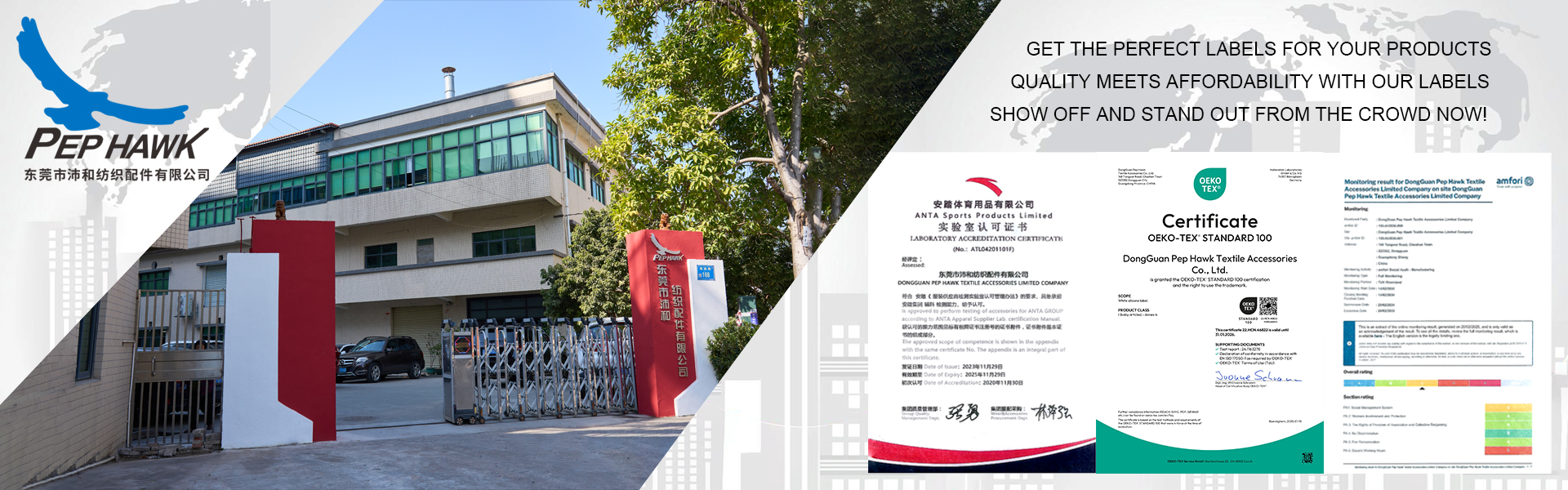
Why Leather Patches for Hats Crack
How Iron-On Monogram Letters Can Double Apparel Resale Value



