

Solving Clothing Label Woes with Iron-On Labels
Solve your clothing label challenges effortlessly with our high-quality iron-on labels. Quick application and lasting results make labeling a breeze!
Traditional clothing labels—those sewn-in tags—are notorious for peeling, fading, or causing skin irritation, leaving consumers and businesses alike grappling with avoidable headaches. Iron-on labels for clothing offer a seamless, durable fix, but how do they truly solve these everyday problems? This article dives into the core issues, explores practical solutions, and guides you toward smarter labeling. Let’s unpack the questions that matter most.
What Problems Do Traditional Labels Cause?
Traditional sewn-in labels are a relic of discomfort and inefficiency. They often fray after just a few washes, stripping garments of vital care instructions like "cold wash only" or "do not bleach." For sensitive skin—especially children’s—rough stitching causes constant itching, leading to discomfort and even rashes. Parents face another headache: labels detach in school or daycare settings, turning lost-and-found bins into unidentifiable chaos. Businesses suffer too; flimsy tags undermine brand professionalism on uniforms or custom apparel. Worst of all, when labels vanish, consumers guess washing methods, accelerating garment wear and contributing to textile waste. These aren’t minor annoyances—they’re costly, recurring failures demanding better solutions.
Why Are Iron-On Labels the Answer?
Iron-on labels for clothing eliminate these pain points through heat-activated simplicity. Unlike sewn tags, they bond directly to fabric using an iron’s pressure, creating a smooth, irritation-free surface. This solves the comfort issue instantly—no more scratchy threads. Durability is their superpower: high-quality labels withstand 50+ washes without fading or peeling, preserving care instructions long-term. For families, they’re a game-changer; write a child’s name on a label, iron it inside a jacket, and it stays put through playground mud and laundry cycles. Brands leverage them for crisp, permanent logos on promotional wear, while eco-conscious users appreciate how they reduce waste by replacing disposable paper tags. Simply put, they turn labeling from a chore into a reliable, one-time task.
How Do You Apply Them Without Errors?
Despite their ease, improper application causes common setbacks like bubbling or peeling. Why does this happen? Often, users skip prep steps: failing to pre-wash garments leaves residues that block adhesion, or using steam settings weakens the heat-activated glue. Incorrect iron temperature is another culprit—too hot scorches delicate fabrics; too cool prevents bonding. Uneven pressure creates air pockets, while rushing the cooling phase makes labels lift prematurely. To avoid this, always test on a scrap fabric first. Set your iron to cotton heat (no steam!), place the label precisely, cover with parchment paper, and press firmly for 15 seconds. Let it cool completely before moving the garment. This meticulous approach ensures flawless, long-lasting results every time.
What Should You Prioritize When Choosing Labels?
Not all iron-on labels deliver equal performance—picking the wrong type invites frustration. Key questions arise: Will they work on polyester blends? Fade in the sun? Survive high-heat drying? Opt for labels with versatile adhesive that bonds to cotton, synthetics, and knits without stiffening the fabric. Durability hinges on material quality; choose polyester-based labels over cheap paper variants, as they resist cracking and UV damage. For kids’ clothes, prioritize non-toxic, hypoallergenic options to prevent skin reactions. Size matters too—small labels fit tags discreetly, while larger ones suit branding. Always check wash-test certifications; reputable brands guarantee 40+ cycles. Ignoring these factors risks wasted time and money, so invest in labels engineered for real-world resilience.
Where Do They Shine Most?
Iron-on labels excel in high-stakes scenarios where traditional tags fail. In schools and daycare centers, they solve the "lost clothing epidemic"—personalized labels withstand name tags through countless washes, saving parents hours of re-labeling. For small businesses, they’re ideal for custom uniforms or merchandise, offering a polished, permanent finish without sewing costs. Crafters use them to brand handmade items like tote bags or baby clothes, adding value effortlessly. Sustainability-focused users leverage them to extend garment life; clear, unremovable care instructions prevent accidental damage, reducing fast fashion waste. Even in industrial settings, they streamline inventory with durable size or batch codes. Their versatility makes them indispensable across contexts where reliability is non-negotiable.
Why Embrace Them for a Sustainable Future?
Beyond convenience, iron-on labels tackle fashion’s environmental crisis. Traditional paper tags get trashed immediately, contributing to landfill waste, while iron-on versions are permanent—eliminating disposable clutter. Many modern labels use recycled materials and non-toxic adhesives, aligning with circular economy principles. By preserving care instructions indefinitely, they encourage proper garment maintenance, slowing down textile turnover. Imagine a world where clothes last years longer because labels never vanish—this small innovation cuts global waste significantly. As consumers demand eco-friendly choices, iron-on labels prove that solving everyday problems can drive broader change.
Iron-on labels for clothing aren’t just a quick fix; they’re a thoughtful response to persistent labeling failures. By addressing comfort, durability, and sustainability head-on, they empower you to protect your wardrobe and planet—one press of the iron at a time. Stop wrestling with vanishing tags and start embracing solutions that stick.
When confronted with the task of producing intricate design drafts of the highest quality, PEPHAWK is here to provide the perfect solution. With over 16 years of industry experience and our esteemed general manager boasting 31 years of expertise in the silicone industry, we are the ultimate choice for tackling your challenging logo design projects. Select PEPHAWK for our unmatched proficiency and rest assured in the impeccable outcomes we consistently deliver.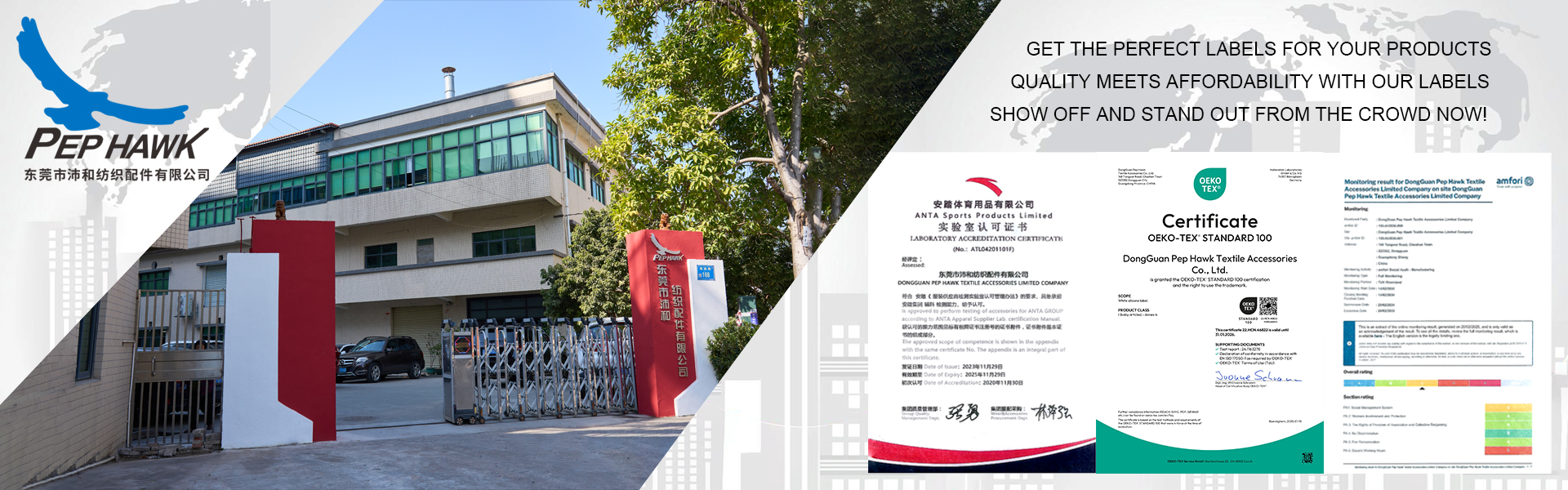
What Are the Main Types of Hawk Patches?
Why Have Sew-On Labels Continuously Improved?



