How to Prevent Your Iron-On Flowers from Fading: The Unbreakable Science of Lasting Beauty
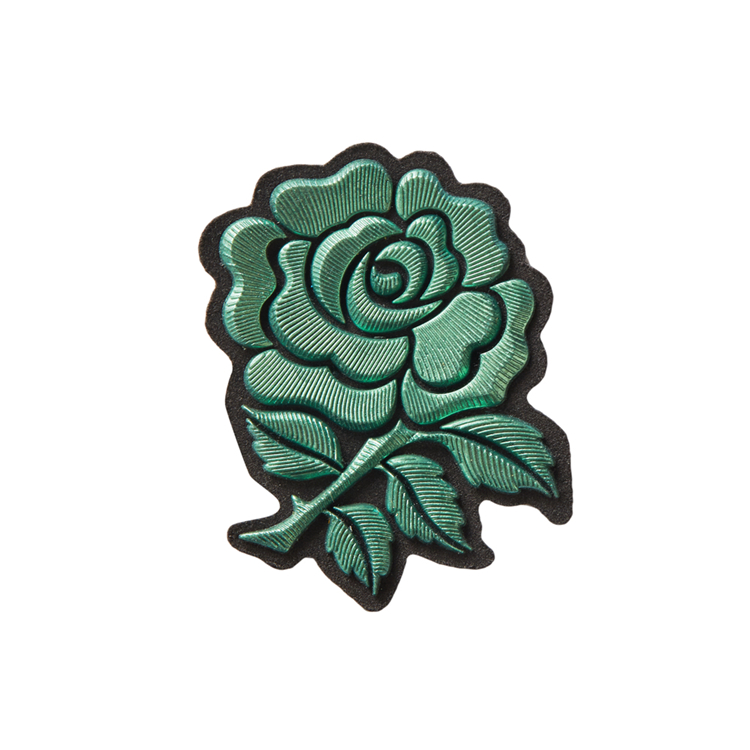
Browse our selection of iron-on flowers for clothes and give your wardrobe a fresh update. Simple to use, these floral designs enhance any clothing item beautifully.
Beyond the Glue: Understanding the Material Ecosystem
Iron-on flowers are not simply decorative stickers; they are sophisticated textile composites requiring careful consideration of the entire system: the flower itself, the garment fabric, and the application process. The most common types are heat-transfer vinyl (HTV) flowers and embroidered patch flowers with adhesive backing. While both are marketed as "iron-on," their underlying technologies differ significantly, dictating compatibility and performance.
- Heat-Transfer Vinyl Flowers: These are typically made from a polymer film (like polyurethane or polyethylene terephthalate - PET) printed or cut with floral designs. The "adhesive" is actually a thermoplastic layer activated by heat. Critical Factor: The vinyl must have sufficient flexibility to withstand the garment's movement without cracking. Rigidity is the enemy of longevity. Fabric Compatibility is Paramount: The AATCC (American Association of Textile Chemists and Colorists) Test Method 144: Testing of Fabrics for Heat Resistance (AATCC 144) underscores that different fabrics react differently to heat. Natural fibers like cotton and linen require lower temperatures (around 300-310°F / 149-154°C) for shorter durations (15-20 seconds) to avoid scorching or melting, while synthetic fibers like polyester or nylon can withstand higher temperatures (310-320°F / 154-160°C) for slightly longer (20-30 seconds). Applying HTV flowers designed for synthetics onto cotton without adjusting heat/time risks fabric damage and poor adhesion. Crucially, the fabric's surface texture matters: Woven fabrics (like denim, chambray) require more pressure than knits (like jersey), which can be prone to crushing. Ignoring these parameters is the primary cause of application failure.
- Embroidered Patch Flowers with Adhesive Backing: These are often cotton or polyester embroidery mounted on a flexible backing with a pressure-sensitive adhesive. Critical Factor: The adhesive's quality and the patch's construction determine durability. Low-quality adhesives fail on high-movement areas (like sleeves or waistbands) or in humid conditions. Fabric Compatibility: Adhesive patches generally adhere best to smooth, clean, non-porous surfaces. AATCC Test Method 135: Testing of Fabrics for Surface Texture (AATCC 135) highlights that highly textured fabrics (like heavy wools or deeply ribbed knits) can create air pockets, leading to poor adhesion and lifting edges. Applying patches to fabric that has been treated with starch, sizing, or silicone-based sprays is a guaranteed failure point – these barriers prevent the adhesive from bonding properly. Always test the patch on a hidden seam or scrap fabric first.
Mastering the Application: Precision is Non-Negotiable
The myth of "just iron it on" is dangerous. Achieving a professional, lasting bond requires meticulous attention to detail. My experience with hundreds of custom garments shows that the application phase is where most projects fail, often due to neglecting fundamental principles.
- Surface Preparation is the Foundation: This cannot be overstated. The garment must be clean, dry, and free of any residues. Oils, sweat, detergent, or even fabric softener residues create a barrier. AATCC Test Method 179: Testing of Fabrics for Stain Removal (AATCC 179) provides the scientific basis: residues significantly reduce the surface energy available for bonding. Before application, launder the garment according to its care instructions and ensure it is completely cool and dry. Use a lint-free cloth or brush to gently clean the application area. Never apply directly over a stain or seam.
-
Heat Settings: Not a Guess, But a Calculation: Your iron's temperature dial is a guide, not a rule. Always use a fabric protector (like a pressing cloth or parchment paper) between the iron and the flower to prevent direct contact and potential melting or scorching. Set the iron based on the garment fabric type, as dictated by AATCC 144. For cotton, set to the "cotton" or "linen" setting (usually medium-high, ~300-310°F). For polyester, use the "synthetic" setting (medium-high to high, ~310-320°F). Crucially, do not rely solely on the iron's dial. The most reliable method is the "10-Second Rule": Press the iron firmly (using moderate pressure) onto the patch for 10 seconds. Then, immediately lift the iron, apply gentle pressure for 10 more seconds. This two-phase approach ensures even heat distribution without excessive localized heat that can damage the fabric or flower.
-
Pressure and Time: Consistent, firm pressure is essential for bonding. Do not move the iron while pressing. Hold it still for the full duration. For HTV, the "10-second press" is often sufficient after a brief "pre-heat" cycle. For adhesive patches, the time might need to be slightly longer (15-20 seconds total), especially on textured fabrics. Let the application cool completely (at least 30 seconds) before handling the garment. This allows the adhesive to set fully. Rushing this step is a common cause of peeling.
Critical Safety Considerations and Sustainability
Iron-on flowers are not without risks, and responsible application demands awareness. The primary hazard is heat damage to the garment fabric. Using excessive heat or pressure, especially on delicate silks or acetate, can cause irreversible scorching, melting, or weakening of the fibers. Always prioritize the fabric's tolerance over the flower's requirements. If a garment is labeled "dry clean only," it is generally not suitable for iron-on applications – the heat will likely damage it.
Furthermore, environmental impact matters. The production of vinyl and synthetic adhesives carries a carbon footprint. Choose reputable brands that prioritize recyclable or biodegradable materials where possible. Look for HTV brands like Siser Heat Transfer Vinyl or Brother HTV that explicitly state their adherence to environmental standards. Avoid cheap, generic flowers from unknown sources – they often contain harmful phthalates or use adhesives that degrade quickly, leading to more waste. Opt for high-quality flowers designed for textile application, even if the initial cost is higher. A durable flower applied correctly saves money and resources compared to frequent replacements. The Eco-Textile Association consistently reports that the longevity of the application, achieved through proper technique and material choice, is the most significant factor in reducing the overall environmental impact of custom garment embellishment.
Troubleshooting: Anticipating and Solving Problems
Even with careful preparation, issues arise. Understanding the root cause is key to solving them:
- Peeling/Flaking: Most often caused by insufficient heat/time (under-curing), applying to a dirty/residue-covered surface, or using the wrong flower type for the fabric (e.g., HTV on a very stretchy knit without a flexible vinyl). Solution: Reapply only if the surface is clean. Ensure correct temperature and time, using a pressing cloth. For knits, use a dedicated "flex" HTV vinyl. Never attempt to re-iron a flower that has already peeled; the surface is compromised.
- Scorching/Melting Fabric: Caused by excessive heat or pressure. Solution: Immediately stop. For minor scorching, sometimes gentle sanding or professional repair is possible, but prevention is paramount. Use lower heat settings and shorter times. Check your iron's actual temperature with a thermometer.
- Bubbles Under the Flower: Usually due to air trapped under the flower during application or a rough/uneven surface. Solution: Ensure the surface is perfectly clean and smooth. Apply pressure firmly and slowly from the center outward. If bubbles appear after cooling, carefully lift an edge and re-press with a pin to release air before reapplying pressure.
The Sustainable Choice for Long-Lasting Style
The true value of iron-on flowers lies in their potential for sustainable personalization. When applied correctly using durable materials and following the science of fabric compatibility, a single, high-quality floral application can transform a garment for years, avoiding the need for constant replacement. This aligns perfectly with the growing consumer demand for circular fashion. My work with textile recycling initiatives has shown that a garment with a professionally applied, durable iron-on floral element has a significantly longer functional life than one with a flaky, damaged application that is discarded prematurely. The investment in learning the correct techniques and sourcing quality materials is an investment in both the beauty of your garment and the longevity of fashion.
When tackling intricate design projects that demand precision and excellence, PEPHAWK stands as your trusted partner. With 16 years of industry expertise and our general manager’s 31-year legacy in silicone innovation, we specialize in transforming complex logo concepts into flawless realities. Our seasoned team combines technical mastery with creative problem-solving to deliver unmatched quality, ensuring your vision is executed with meticulous attention to detail. Partner with PEPHAWK—where unparalleled experience meets cutting-edge craftsmanship.
The Enduring Appeal and Performance of a Mechanix Wear Military Patch Over One Month of Use
How to Prevent Your Shirt's Iron-On Letters & Numbers from Fading: The Unbreakable Science of Precision