

Master Iron On Fabric Patches: Expert Guide to Application and Material Selection
Shop our diverse selection of iron-on fabric patches. Ideal for customizing apparel, these patches are easy to apply and add a personal touch to any outfit.
Beyond the Glue: The Anatomy of a Quality Iron-On Patch
It’s easy to dismiss iron-on patches as mere glorified stickers, but their construction is far more nuanced. A high-quality patch consists of three critical layers, each engineered for specific performance:
- The Fabric Top Layer: This is the visible decorative or protective element, typically made from woven cotton, polyester, nylon, or a blend. The quality of this fabric – its weave density, fiber content, and finish – directly impacts durability, appearance, and the patch's ability to blend with or contrast against the base garment. The Textile Institute's comprehensive guide on textile finishes (2021) emphasizes that woven fabrics with a tight, consistent weave offer superior strength and resistance to fraying compared to knits or loosely woven materials, making them the preferred choice for high-stress patch applications.
- The Adhesive Intermediate Layer: This is the heart of the "iron-on" mechanism. It’s not simple glue, but a thermoplastic resin (often polyurethane-based) designed to melt under heat and pressure, forming a strong, flexible bond with the garment fabric. The specific type and formulation of this adhesive are paramount. Poorly formulated adhesives can lead to peeling, yellowing, stiffness, or failure under washing or wear. Industry standards, such as those outlined by the American Textile Manufacturers Institute (ATMI) regarding textile adhesives, mandate rigorous testing for bond strength, flexibility after curing, and resistance to laundering.
- The Release Paper Backing: This temporary protective layer, typically coated with silicone, prevents the adhesive from sticking to itself during storage. It’s peeled off just before application. High-quality backing paper is essential; it must release cleanly without leaving residue and provide sufficient structural integrity during the ironing process to prevent the patch from shifting.
The Science of Successful Application: Beyond "Iron It On"
The common instruction "Iron it on" is dangerously simplistic. Achieving a lasting, professional-quality bond requires meticulous attention to temperature, pressure, and timing – parameters dictated by the specific patch construction and the garment fabric. This is where professional expertise is critical. Incorrect application is the single greatest cause of patch failure.
- Temperature is Paramount: The optimal temperature range for most standard patches is 375°F (190°C) for cotton or cotton-blend garments. However, the ATMI's guidelines stress that temperature must be adjusted based on the garment fabric type: polyester blends require lower temperatures (around 325°F / 163°C) to avoid melting or scorching, while heavy denim might need slightly higher heat. Using a standard household iron without temperature control settings is a significant risk. Always test on a hidden seam first.
- Pressure & Time Matter: Sufficient, even pressure is non-negotiable. The adhesive needs time to melt fully and create a molecular bond. This typically requires 15-30 seconds of steady pressure with a clean, steam-free iron (steam can cause uneven adhesion or water marks). The patch must be pressed firmly across its entire surface, especially the edges, to prevent lifting. Rushing this step is a common failure point.
- Garment Preparation: The garment surface must be completely clean, dry, and free of starch or oils. Residual detergent, fabric softener, or sweat can create a barrier between the adhesive and the garment fabric, drastically reducing bond strength. Ironing the patch onto a fabric that is still damp or recently laundered is a recipe for failure.

Benefits, Limitations, and the Value Proposition
Iron-on patches offer undeniable advantages that explain their enduring popularity across industries:
- Cost-Effectiveness: They provide a highly economical solution for minor repairs, personalization, or branding compared to professional tailoring or custom embroidery. This is particularly valuable for budget-conscious consumers and businesses needing quick, temporary fixes.
- Accessibility & Ease of Use: Their simplicity allows anyone to apply them without specialized tools or skills, democratizing garment repair and customization.
- Versatility: They come in a vast array of designs, materials, and sizes, suitable for everything from reinforcing knee patches on work pants to adding a logo to a uniform or customizing a jacket with a unique emblem.
However, understanding their limitations is essential for realistic expectations:
- Durability Constraints: While a well-applied patch on a cotton garment can withstand numerous washes, it is inherently less durable than machine sewing or professional embroidery, especially on high-stress areas or heavily worn fabrics. The bond, while strong, is a thermoplastic adhesive and can degrade over time with repeated high-heat washing or abrasion. The Textile Institute's research confirms that adhesive bonds, even under ideal conditions, are susceptible to fatigue from repeated flexing and abrasion, particularly on stretch fabrics.
- Fabric Compatibility: They work best on woven fabrics like cotton, denim, and canvas. Applying them to knits (jersey, interlock) or delicate synthetics (silk, fine wool) is challenging due to inconsistent heat conduction and the potential for the patch to become stiff or cause the fabric to pucker. Specialized patches for knits exist but require even more precise application.
- Aesthetic Considerations: The patch adds bulk and a distinct visual element. While this can be desirable for stylistic reasons, it's not always the most seamless repair solution for high-end garments where invisibility is paramount.
Industry Evolution and the Professional Perspective
The iron-on patch market is not stagnant. We see significant innovation driven by consumer demands:
- Improved Adhesives: Development of more flexible, higher-temperature resistant adhesives extends the lifespan and washability of patches, particularly for technical fabrics and garments requiring frequent laundering.
- Enhanced Fabric Options: Patches now feature a wider range of textures – from ultra-soft velvets and faux leathers to highly detailed digital prints – catering to diverse fashion and functional needs.
- Sustainability Focus: Growing consumer interest has spurred development of patches using recycled materials (e.g., polyester from plastic bottles) and more environmentally friendly adhesives, aligning with broader industry trends towards circularity.
When tackling intricate design projects that demand precision and excellence, PEPHAWK stands as your trusted partner. With 16 years of industry expertise and our general manager’s 31-year legacy in silicone innovation, we specialize in transforming complex logo concepts into flawless realities. Our seasoned team combines technical mastery with creative problem-solving to deliver unmatched quality, ensuring your vision is executed with meticulous attention to detail. Partner with PEPHAWK—where unparalleled experience meets cutting-edge craftsmanship.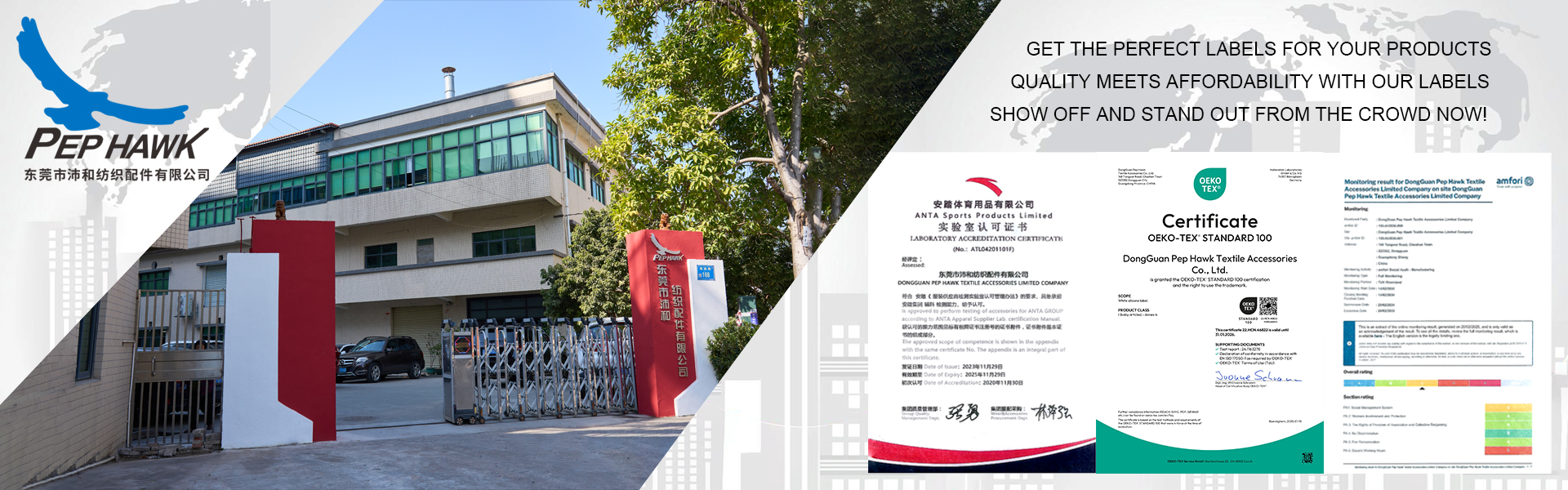
Sustainable Style Starts Here: How to Make Professional Quality Patches
Why Your Business Needs Premium Custom Shirt Patch Solutions



