

A Guide to Different Types of Inside Hat Labels
2025-09-25
Discover top 5 inside hat labels (woven, printed, heat transfer, embroidered, RFID) – boost branding, comfort & durability. Ideal for hat manufacturers, designers, and retailers.
Inside hat labels are more than just brand markers – they influence comfort, durability, and even customer trust. Choosing the right type depends on your hat’s material, target audience, and branding goals. Below are the most popular inside hat label options, each with unique advantages.
1. Woven Inside Hat Labels
Woven labels are a classic choice for inside hats, crafted by weaving threads (often cotton, polyester, or cotton-poly blends) into clear, long-lasting designs. Their tight weave ensures logos, size info, or care instructions don’t fade or peel – even after repeated washes.
Cotton-poly blends are the most versatile: polyester adds durability, while cotton keeps the label soft against the skin. Pure cotton woven labels work best for casual, natural-fiber hats (like cotton baseball caps), as they match the fabric’s breathability.
These labels excel for high-end hats, such as leather caps or designer fedoras. They convey a premium feel without irritating the scalp, making them a top pick for brands focused on longevity and quality.

2. Printed Inside Hat Labels
Printed labels are ideal for brands prioritizing cost-effectiveness and design flexibility. Created using screen printing or digital printing, they can reproduce intricate logos, patterns, or even small artworks with sharp detail.
Screen printing is perfect for large batches (e.g., promotional hats), as it lowers per-unit costs while maintaining bold colors. Digital printing, by contrast, suits small runs or complex designs (like gradient logos) that woven labels can’t replicate.
Ink choice matters: water-based inks are eco-friendly and safe for kids’ hats (no harsh chemicals), while solvent-based inks offer better resistance to sweat and friction – great for sports hats. Printed labels are lightweight and thin, making them a go-to for budget-friendly fashion lines or disposable promotional headwear.
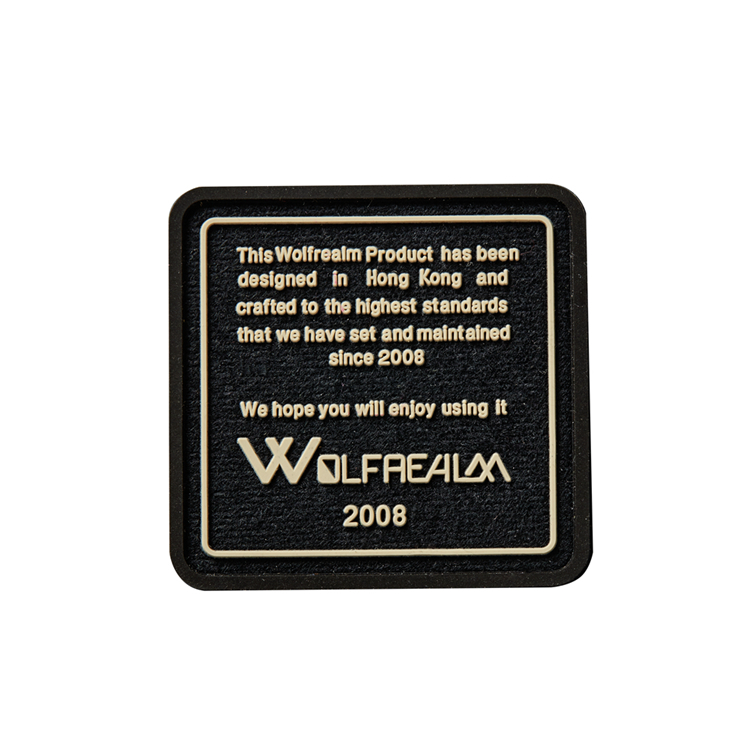
3. Heat Transfer Inside Hat Labels
Heat transfer labels stand out for their minimal bulk – a key advantage for tight-fitting hats (like fitted baseball caps) or performance headwear. The process involves printing designs on transfer paper, then using heat and pressure to bond the design to the hat’s lining.
These labels are ultra-soft and lie flat against the skin, eliminating irritation – critical for sports hats (running, cycling) worn for hours. They work well with cotton, polyester, and blend fabrics but avoid thick wool (high heat may damage fibers).
While heat transfer labels have a shorter lifespan than woven ones, their comfort and low-profile design make them a favorite for activewear brands and casual hat lines targeting younger audiences.
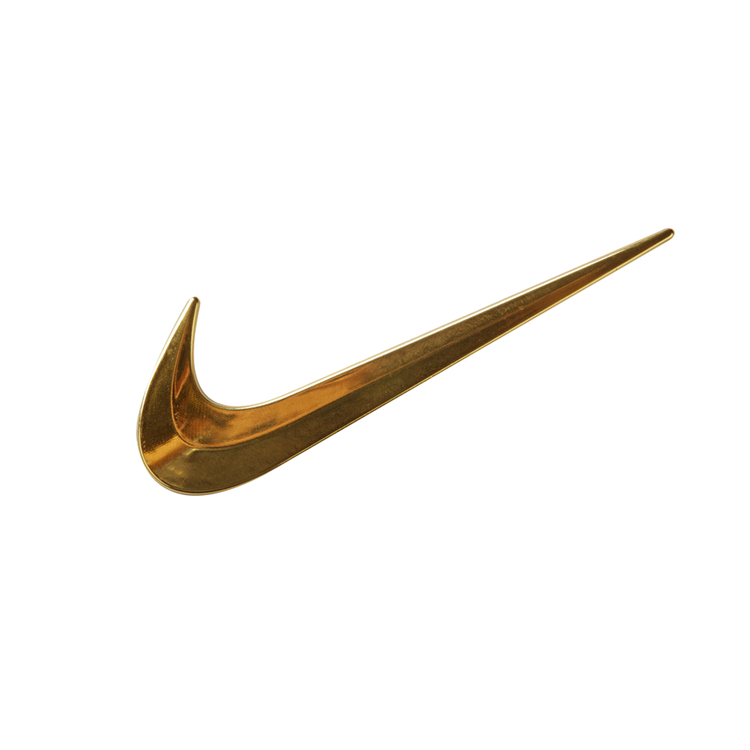
4. Embroidered Inside Hat Labels
Embroidered labels add a tactile, luxury touch to inside hats, created by stitching threads (polyester, cotton, or metallic) into logos or text. Their 3D texture makes branding stand out, signaling premium quality – perfect for high-end hats like wool fedoras, top hats, or winter beanies.
Polyester threads are the most popular: they’re colorfast, resistant to shrinking, and hold up in washes. Cotton threads offer a softer feel, ideal for natural-fiber hats but require more care (avoid high-heat drying).
A downside? Embroidered labels are bulkier than woven or printed options, so they may irritate sensitive scalps if not backed with a soft fabric. Still, their premium look makes them a top choice for luxury brands, boutique hat makers, and giftable headwear.
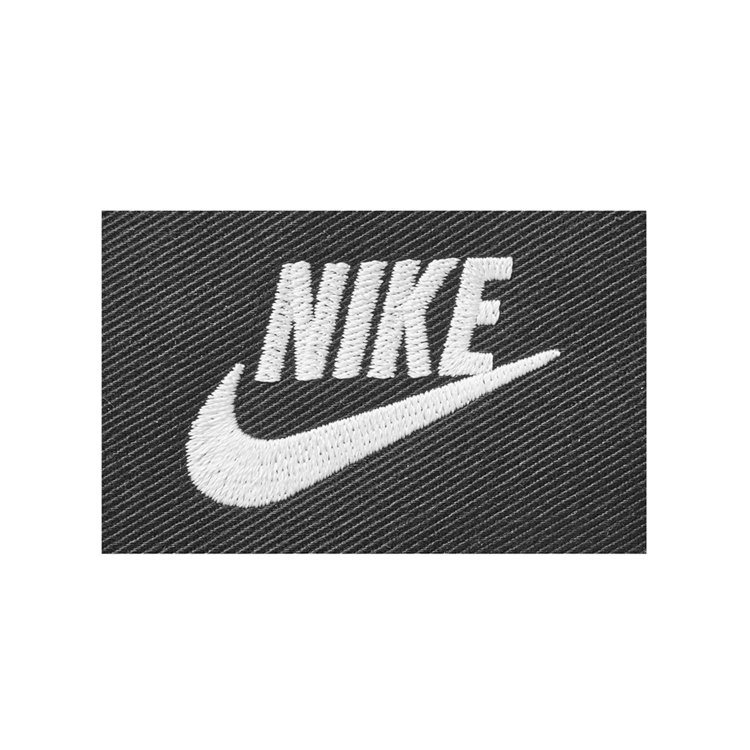
5. RFID-Enabled Inside Hat Labels
For large-scale manufacturers or luxury brands, RFID-enabled inside labels blend functionality with branding. These labels have a tiny embedded chip that stores data (batch numbers, origin, size, or anti-counterfeiting codes) – streamlining inventory management and preventing fakes.
The chip is encased in a thin, flexible material (often polyester) that’s sewn or printed into the hat’s lining, so it doesn’t affect comfort. Retailers love them for easy stock checks (no manual scanning of barcodes), while brands use the anti-counterfeiting feature to protect their reputation.
While RFID labels cost more than traditional options, they save time and reduce losses for big brands. They’re ideal for luxury hat lines, large retail chains, or manufacturers with global supply chains.
How to Choose the Right Inside Hat Label
- Budget: Printed labels are cheapest; RFID and embroidered are priciest.
- Hat Type: Sports hats → heat transfer (comfort); luxury hats → woven/embroidered (quality); kids’ hats → printed (eco-inks).
- Functionality: Need inventory tracking? Go RFID; need durability? Choose woven.
By matching the label type to your needs, you’ll enhance your hat’s value – and keep customers coming back.
This guide covers key inside hat label types for various needs. If you want to dive deeper into a specific type (e.g., eco-friendly materials for labels) or adjust the content for a niche audience, feel free to let me know!
Red, Yellow, Green, Purple: Temperature-Sensitive Silicone Adidas Logo Tags
Woven Custom Labels: Pick the One That Boosts Your Product Vibe




SEND MESSAGE