

Mastering Transparency: A Comprehensive Guide to Creating Custom Clear Labels
Create stunning clear labels with ease. Our detailed guide offers practical advice and innovative ideas to help you craft labels for any occasion.
Clear labels have emerged as a versatile and effective tool in the business world, offering a unique approach to branding and product identification. These transparent labels allow the underlying product or packaging to show through, providing a clean and professional look that is increasingly sought after by consumers. In this section, we will explore the definition, purpose, and benefits of clear labels, as well as analyze market trends and the industries where they are most commonly applied.
Clear labels, also known as transparent or see-through labels, are printed on transparent materials such as clear polyester or vinyl, allowing the label's text, graphics, and branding to overlay the product's surface without obstructing its view. This innovative labeling method has gained popularity due to its modern aesthetic and the ability to enhance product packaging without detracting from the product itself.
The role of clear labels in branding and marketing is significant. They offer a sleek and minimalist approach to product identification, which can elevate a brand's image and make products stand out on crowded retail shelves. Moreover, clear labels can be used across various industries, from cosmetics and beverages to electronics and home goods, providing a unified and professional appearance.
Advantages of clear labels over traditional labeling methods include increased product visibility, enhanced aesthetic appeal, and the ability to customize labels to match any brand's identity. Market analysis reveals a growing consumer demand for clear labels, driven by the desire for transparency in product information and a preference for modern, minimalist design.
Designing for Clarity: The Art of Clear Label Creation
Designing clear labels requires a keen understanding of visual hierarchy, color theory, and typography to ensure that the label's message is communicated effectively without overpowering the product. In this section, we will discuss the principles of effective clear label design, the software and technologies available for design, and the best practices for incorporating brand identity and messaging.
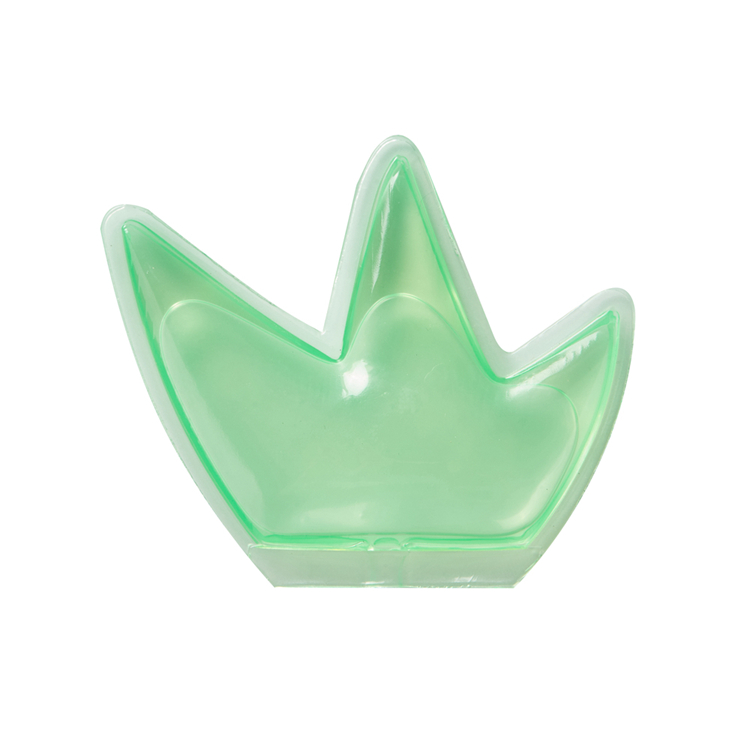
Effective clear label design begins with a clear understanding of the brand's identity and the message the label needs to convey. Designers must strike a balance between providing enough information and maintaining a clean, uncluttered appearance. This often involves the use of bold, contrasting colors and simple, legible fonts that stand out against the transparent background.
Software and technologies for clear label creation have advanced significantly, providing designers with a range of tools to create high-quality labels. Programs like Adobe Illustrator, CorelDRAW, and specialized label design software offer templates, design elements, and editing capabilities that make the design process more efficient and precise.
Incorporating brand identity into clear labels is crucial for maintaining brand consistency and recognition. This can be achieved through the use of brand colors, logos, and typography. However, it is essential to ensure that these elements are adapted for the transparent background to maintain readability and impact.
Materials and Production: Crafting the Perfect Label
The selection of materials and the production process are critical components in crafting the perfect clear label. In this section, we will discuss the types of transparent materials available, the equipment needed for label production, the cost analysis and budgeting for label production, and the environmental considerations and sustainable practices in the industry.
Transparent materials for label making come in various forms, each with its own set of properties and applications. Clear polyester, for example, is known for its durability and resistance to tearing, while clear vinyl offers a more cost-effective solution. The choice of material will depend on the product's intended use, the environment it will be exposed to, and the desired level of durability.
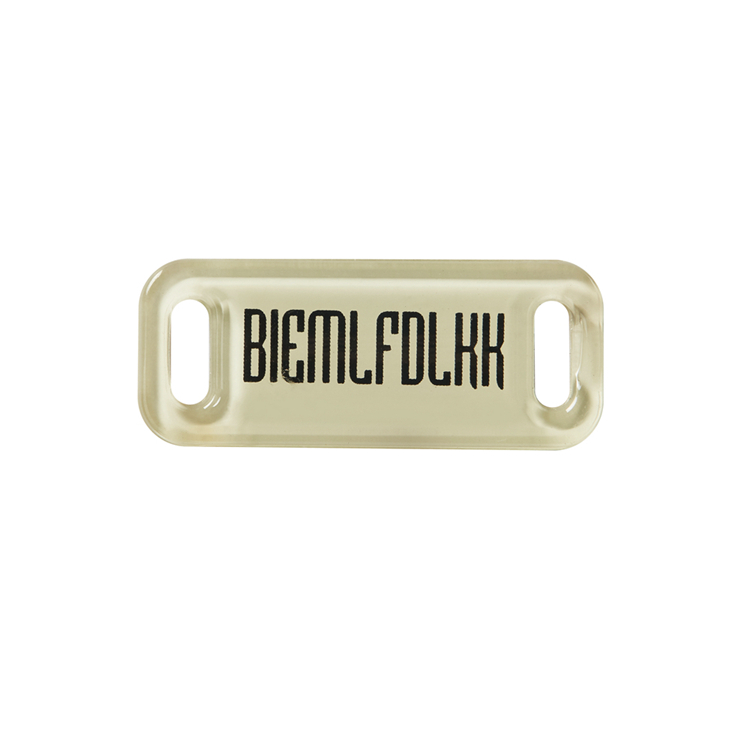
The production of clear labels involves a series of steps, from printing and cutting to laminating and finishing. High-quality equipment is essential for ensuring that labels are produced accurately and consistently. Digital printers, cutting machines, and laminators are among the key pieces of equipment used in the production process.
Cost analysis and budgeting for label production involve considering factors such as material costs, labor, equipment, and overhead. By understanding these costs, businesses can set realistic budgets and pricing for their clear label products. Additionally, it is important to consider the environmental impact of label production and adopt sustainable practices, such as using eco-friendly materials and recycling waste.
Implementation and Application: Applying Clear Labels to Products
The application of clear labels to products is a critical step that requires precision and care to ensure the labels adhere correctly and maintain their appearance. In this section, we will provide a step-by-step guide to applying clear labels, offer tips for efficient label application, discuss storage and handling of clear labels, and explore the integration of clear labels into existing product lines.
Applying clear labels involves several steps, including cleaning the product surface, peeling the label from its backing, aligning the label, and smoothing out any bubbles or wrinkles. Each of these steps requires attention to detail to ensure that the label is applied correctly and looks professional.
Efficient label application can be achieved through the use of the right tools and techniques. For example, using a label applicator machine can speed up the process and ensure consistent results. Additionally, practicing proper storage and handling of clear labels can extend their lifespan and maintain their quality.
Integrating clear labels into existing product lines involves assessing the current packaging and branding to determine where clear labels can be effectively used. This may involve redesigning packaging or creating new label designs that complement the existing brand identity.
Marketing and Sales: Promoting Your Clear Label Products
Promoting clear label products requires a strategic approach that highlights the unique benefits and features of these labels. In this section, we will discuss marketing strategies to highlight clear label features, explore pricing models and revenue generation, look at distribution channels and logistics, and examine customer engagement and feedback loops.
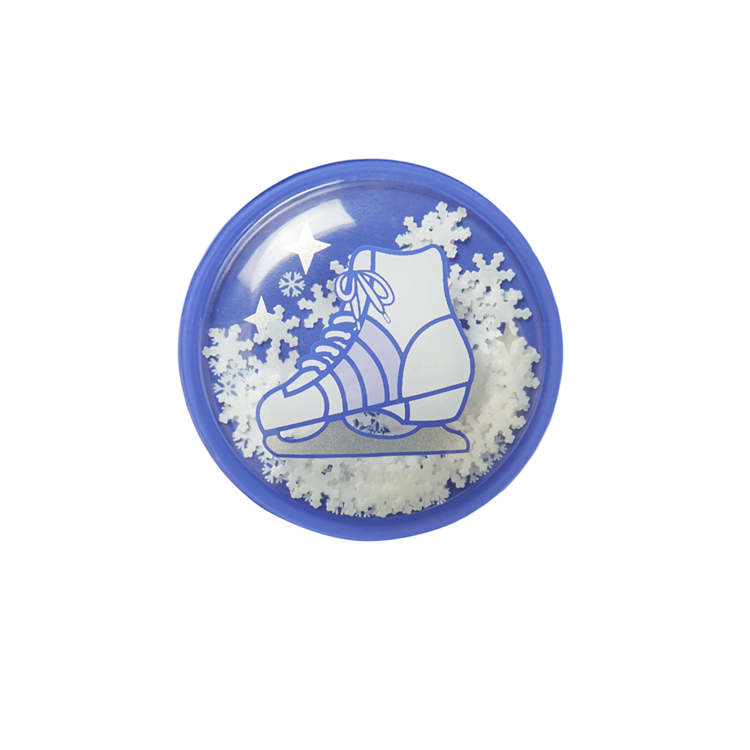
Marketing strategies for clear label products should focus on the advantages they offer, such as increased product visibility and a modern aesthetic. This can be achieved through various channels, including social media, email marketing, and trade shows. By showcasing the benefits of clear labels, businesses can attract customers who value transparency and sophistication in their products.
Pricing models for clear label products should take into account the costs of production, the value they provide to customers, and the competitive landscape. Revenue generation can be optimized by offering a range of clear label products and services, such as custom design services or bulk discounts.
Distribution channels and logistics play a crucial role in getting clear label products to customers. This may involve partnering with distributors, setting up online sales channels, or using dropshipping services. Efficient logistics ensure that products are delivered on time and in good condition, which is essential for customer satisfaction.
Customer engagement and feedback loops are vital for understanding how customers perceive clear label products and for identifying areas for improvement. This can be achieved through surveys, reviews, and direct communication with customers. By listening to customer feedback, businesses can refine their products and marketing strategies to better meet customer needs.
Legal and Compliance: Navigating the Regulatory Landscape
Navigating the legal and regulatory landscape is essential for businesses that produce and sell clear labels. In this section, we will discuss the legal considerations for custom label design and use, compliance with industry standards and regulations, the protection of intellectual property rights, and best practices for legal documentation and compliance.
Legal considerations for custom label design and use involve ensuring that labels comply with all relevant laws and regulations. This includes adhering to guidelines for product labeling, such as those related to ingredients, nutritional information, and safety warnings. Non-compliance can result in fines, product recalls, and damage to a brand's reputation.
Compliance with industry standards and regulations is crucial for maintaining the integrity and safety of clear label products. This may involve obtaining certifications, such as ISO quality management体系认证, and ensuring that labels meet specific industry standards, such as those for food packaging or pharmaceutical products.
Protecting intellectual property rights is essential for businesses that invest in the design and production of clear labels. This can involve registering trademarks, copyrights, and patents to safeguard unique designs and technologies. By protecting intellectual property, businesses can prevent competitors from copying their work and maintain a competitive advantage.
Best practices for legal documentation and compliance involve maintaining accurate records of all legal and regulatory compliance efforts. This includes keeping documentation of certifications, licenses, and inspections, as well as having procedures in place for addressing any legal or compliance issues that may arise.
Innovation and Growth: The Future of Clear Label Technology
The future of clear label technology holds great promise for innovation and growth. In this section, we will explore emerging technologies in clear label production, anticipate market shifts and consumer preferences, and discuss the integration of clear labels with smart technology and sustainable innovations.
Emerging technologies in clear label production include advancements in digital printing, which allow for resolution and more intricate designs, and the development of new materials that offer improved durability and eco-friendliness. These technologies can enhance the quality and versatility of clear labels, opening up new opportunities for their use in various industries.
Anticipating market shifts and consumer preferences is essential for staying ahead in the clear label market. As consumers become more environmentally conscious, there is a growing demand for eco-friendly and sustainable products. Clear labels can play a role in meeting this demand by using sustainable materials and production methods.
The integration of clear labels with smart technology, such as RFID tags and QR codes, offers exciting possibilities for enhancing product tracking, authentication, and consumer engagement. By incorporating these technologies into clear labels, businesses can provide additional value to their products and stay at the forefront of industry trends.
Sustainable innovations in clear label technology are becoming increasingly important as the world moves towards more environmentally friendly practices. This includes the development of biodegradable materials, water-based inks, and energy-efficient production processes. By embracing sustainable innovations, businesses can reduce their environmental impact and appeal to eco-conscious consumers.
In conclusion, clear labels offer a transparent advantage for businesses looking to enhance their branding and product appeal. By understanding the business perspective
Strategies for Crafting Custom Sewing Labels in a Professional Manner
Strategic Brand Enhancement: Pricing and Marketing of TPU Logo Patches



