

How to Iron On Patches: Why a Professional Heat Press Is a Must Instead of a Household Iron
2026-02-05
Table of Contents
Iron-on patches have become a popular choice for customizing clothing, decorating accessories, branding merchandise, and personalizing fabrics.
From denim jackets and backpacks to uniforms and promotional items, they offer a quick way to add personality or identity to any textile. However, achieving a strong, long-lasting bond between the patch and the fabric is not as simple as pressing with a household iron.
The success of iron-on patch adhesion relies on three non-negotiable factors: controlled temperature, even pressure, and consistent timing. These elements work together to melt the heat-activated adhesive on the back of the patch, allowing it to penetrate fabric fibers and form a secure bond. A household iron, despite being a common tool for fabric care, fails to meet these requirements. In contrast, a professional heat press is designed specifically to master these three factors, ensuring flawless, durable results every time—whether for personal use or commercial batch production.
I. The Core Adhesion Principles of Iron-On Patches
Before comparing household irons and professional heat presses, it is essential to understand how iron-on patches adhere to fabrics. The key lies in the heat-activated adhesive, which requires precise conditions to work effectively.
Temperature is the first critical factor. Most iron-on patch adhesives melt and activate within a specific range: 140°C to 180°C (284°F to 356°F). This range must be consistent—too low, and the adhesive won’t melt; too high, and it will scorch the patch, fabric, or both.
Pressure is equally important. Sufficient, uniform pressure forces the melted adhesive to seep into the fabric’s fibers, creating a tight, irreversible bond. Without even pressure, the adhesive may only sit on the fabric’s surface, leading to peeling.
Timing completes the trio. The patch and fabric need consistent contact with heat and pressure for a set duration (usually 10–30 seconds) to allow the adhesive to fully cure. Rushing or varying the timing results in incomplete adhesion.
| Core Adhesion Factor | Requirement | Consequence of Failure |
|---|---|---|
| Temperature | 140°C–180°C (consistent) | Adhesive not melting or fabric/patch scorching |
| Pressure | Uniform, sufficient force | Adhesive sits on surface, patch peels easily |
| Timing | 10–30 seconds (stable) | Incomplete adhesive curing, weak bond |
II. Why Household Irons Are Unsuitable for Iron-On Patches
Household irons are designed for smoothing wrinkles, not for activating heat-on patch adhesives. Their limitations directly contradict the three core adhesion factors, leading to poor, short-lived results.
2.1 Uncontrollable and Inconsistent Temperature
Most household irons lack precise digital temperature control. Instead, they use vague settings like “cotton,” “silk,” or “linen,” which do not correspond to the exact 140°C–180°C range needed for patch adhesion.
Heat output fluctuates based on the iron’s heating element and power source (gas or electric stoves). This leads to hot spots—areas where the iron is too hot, scorching patches or fabrics—and cold spots, where heat is insufficient to melt the adhesive.
Additionally, the steam function on irons introduces moisture, which dilutes heat-activated adhesive. Moisture prevents the adhesive from melting properly and weakens the bond between the patch and fabric.
2.2 Uneven and Inadequate Pressure
Pressing a patch with a household iron relies on manual force, which is sporadic and uneven. Pressure varies based on hand strength, movement, and how firmly the user presses down. This inconsistency means some parts of the patch receive enough pressure, while others do not.
Iron soleplates also have steam holes, which create gaps in pressure. These gaps leave parts of the patch unpressurized, leading to incomplete adhesion and edge lifting over time.
For large or irregularly shaped patches, manual pressing becomes even more difficult. It is nearly impossible to apply uniform pressure across the entire patch surface with an iron.
2.3 Unstable Timing Control
Timing is critical for adhesive curing, but household irons offer no automated timing features. Users must manually count seconds while pressing, which often leads to errors—pressing too short (incomplete curing) or too long (scorching).
Movement also affects timing. If the user shifts the iron or lifts it slightly during pressing, the patch loses consistent heat and pressure contact, disrupting the adhesion process.
| Limitation of Household Iron | Specific Issue | Impact on Patch Adhesion |
|---|---|---|
| Temperature Control | Vague settings, hot/cold spots, steam moisture | Adhesive not melting, scorching, weak bond |
| Pressure | Manual, uneven, steam hole gaps | Incomplete adhesion, edge lifting |
| Timing | Manual counting, inconsistent contact | Under-cured adhesive, patch peeling |
2.4 Additional Drawbacks
Household irons have narrow fabric and patch compatibility. They struggle with thick fabrics like denim or canvas (insufficient heat/pressure penetration) and delicate fabrics like satin (hot spots cause damage).
The bond from an iron is also short-lived. Patches often lift at the edges, bubble, or fall off entirely after a few washes or days of wear. For commercial use, this inconsistency is unacceptable—batch production requires uniform, durable results.
III. The Advantages of a Professional Heat Press for Iron-On Patches
A professional heat press is engineered to address all the limitations of household irons. It is designed specifically for heat-activated applications, ensuring precise control over temperature, pressure, and timing—delivering professional, long-lasting results.
3.1 Precise, Digital Temperature Regulation
Professional heat presses feature digital temperature controls that allow users to set the exact temperature (in °C or °F) needed for their patch and fabric. This eliminates guesswork and ensures the adhesive melts within the optimal 140°C–180°C range.
The heat press’s heating element distributes heat evenly across the entire pressing plate, eliminating hot spots and cold zones. This consistency prevents scorching and ensures the adhesive melts fully.
Unlike irons, heat presses do not have a steam function. This eliminates moisture interference, allowing the adhesive to bond tightly with the fabric.
3.2 Uniform, Adjustable Pressure
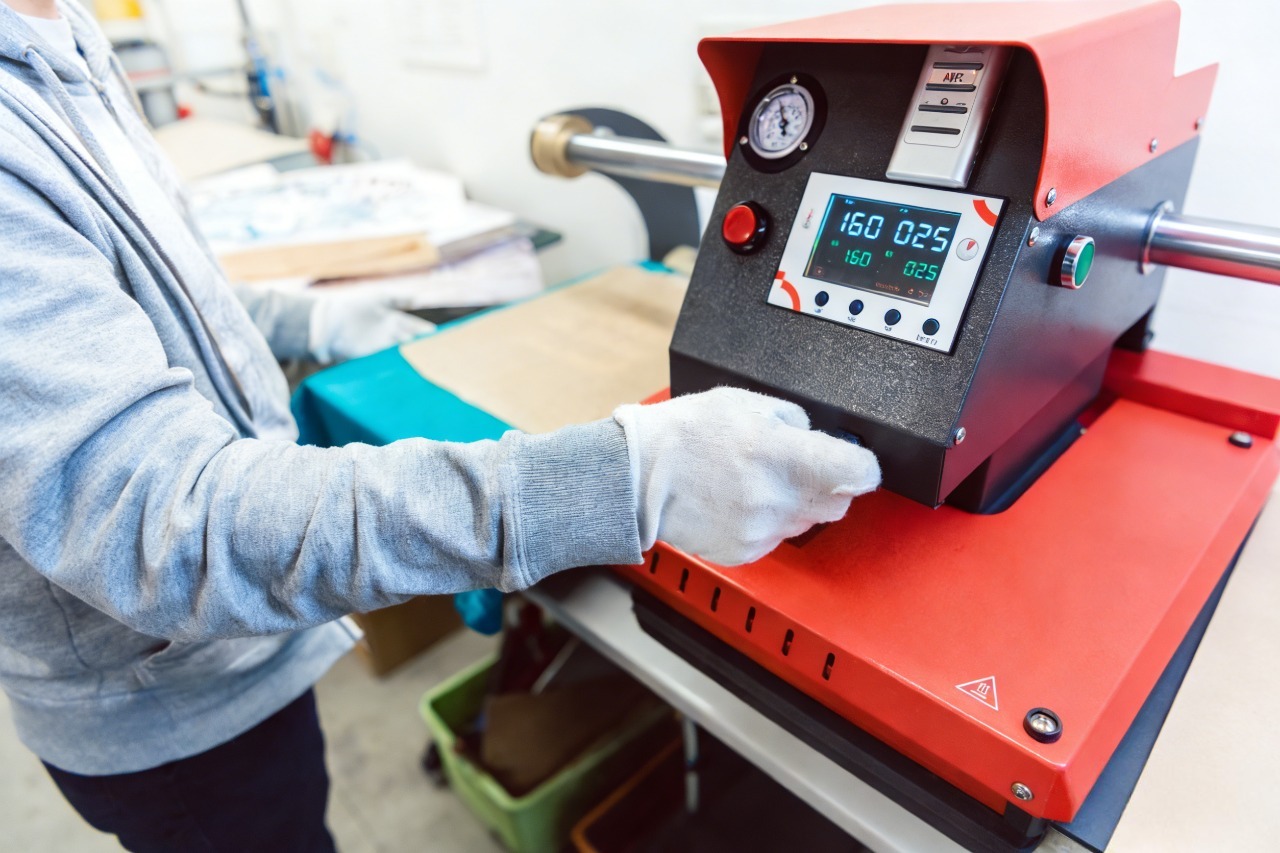
Heat presses use mechanical or pneumatic pressure systems to deliver consistent, even pressure across the entire patch surface. Pressure levels are adjustable, allowing users to tailor the force to their fabric type (thin, thick, delicate).
The pressing plate is flat and solid (no steam holes), ensuring full contact with the patch. This eliminates pressure gaps and guarantees that every part of the patch receives sufficient pressure for a tight bond.
For large or irregularly shaped patches, the heat press’s large pressing area (available in various sizes) ensures uniform pressure across the entire design.
3.3 Automated, Precise Timing
Professional heat presses include digital timers with auto-shutoff features. Users set the desired time (10–30 seconds, depending on the patch), and the press maintains consistent heat and pressure until the timer expires. This eliminates manual counting errors and ensures the adhesive fully cures.
| Feature | Household Iron | Professional Heat Press |
|---|---|---|
| Temperature Control | Vague settings, fluctuating heat | Digital, precise, consistent |
| Pressure | Manual, uneven, gaps | Automated, uniform, adjustable |
| Timing | Manual counting, inconsistent | Digital timer, auto-shutoff |
| Fabric Compatibility | Narrow (struggles with thick/delicate fabrics) | Wide (all fabric types) |
| Bond Durability | Short-lived, prone to peeling | Long-lasting, wash-resistant |
| Efficiency | Slow, inconsistent (not for batches) | Fast, consistent (ideal for batches) |
3.4 Versatility and Efficiency
Professional heat presses are versatile, with interchangeable pressing plates to fit all patch sizes—from small logo patches to large decorative designs. They work with all common fabrics, including cotton, polyester, denim, canvas, and even delicate satin.
For commercial use, heat presses are highly efficient. They heat up quickly, deliver consistent results for batch production, and save time compared to manual ironing. For personal use, they ensure a professional finish that lasts through repeated washes and wear.
IV. Practical Tips for Using a Professional Heat Press with Iron-On Patches
To achieve the best results with a professional heat press, follow these simple tips—designed to optimize adhesion and protect fabrics/patches.
First, pre-set the temperature, pressure, and timing according to the patch adhesive instructions and fabric type. Refer to the fabric heat resistance chart to avoid scorching.
Second, pre-press the fabric for 2–3 seconds to remove wrinkles and moisture. This ensures a flat surface for the patch, improving adhesion.
Third, align the patch on the fabric and center the heat press plate over the patch. Ensure full contact between the plate and the patch.
Fourth, let the patch cool completely (5–10 seconds) before peeling off the backing paper. This allows the adhesive to fully cure and bond with the fabric.
| Fabric Type | Recommended Temperature | Recommended Time | Recommended Pressure |
|---|---|---|---|
| Cotton/Linen | 160°C–180°C | 15–20 seconds | Medium-High |
| Polyester | 140°C–150°C | 10–15 seconds | Medium |
| Denim/Canvas | 170°C–180°C | 20–30 seconds | High |
| Satin/Silk | 140°C–150°C | 10–12 seconds | Low-Medium |
V. Conclusion
While household irons may seem like a convenient option for iron-on patches, they fail to meet the precise requirements of temperature, pressure, and timing needed for a strong, durable bond. Their limitations lead to uneven adhesion, patch peeling, and fabric damage—making them unsuitable for both professional and long-lasting personal use.
A professional heat press, on the other hand, is designed to master these three core factors. With precise digital temperature control, uniform adjustable pressure, and automated timing, it ensures optimal adhesion that lasts through repeated washes and wear. Whether for personal apparel customization or commercial batch production, a professional heat press is the only tool that delivers consistent, professional results for iron-on patches.
Investing in a professional heat press eliminates the frustration of failed patch applications and ensures your custom designs look polished and last for years to come.
Decorative Clothing Patches: Craft, Customization & Styling Excellence
Silicone Patches: The Versatile Star of Modern Clothing Accessories




SEND MESSAGE