

Master How to Attach a Patch to Your Hat
Master the art of patch attachment with our detailed instructions. Transform your hat into a unique accessory that showcases your personality.
Patches on hats are a timeless trend, offering a powerful way to showcase personality, affiliations, or just pure style. But figuring out exactly how to attach a patch to a hat isn't always a one-size-fits-all solution. The hat's material, shape, and the patch type itself all play crucial roles in achieving a secure and professional-looking finish. Let's move beyond generic advice and explore the best methods tailored to different hat styles and patch types.
Know Your Canvas: Hat Styles Dictate Technique
Before you even think about thread or glue, consider the hat itself. Its structure is paramount:
-
Structured Caps (Baseball Caps, Trucker Hats - Front Panels): These often have stiff front panels, sometimes with a buckram lining.
-
Best Methods: Sewing (machine or hand) is king for durability. Iron-on can work if the panel material is heat-safe (check labels!) and the patch is truly flat, but the stiffness can make achieving full adhesion tricky. Fabric glue specifically designed for non-porous or stiff fabrics can be an option, but test first. Velcro attachment is also popular, especially for tactical-style caps.
-
Challenges: Getting a needle through thick layers. Ensuring an iron-on patch adheres evenly over the curve and internal structure.
-
-
Unstructured Caps ("Dad Hats," Some Bucket Hats): These are softer, conforming more easily to the head.
-
Best Methods: Hand sewing is often easiest, allowing you to manipulate the fabric. Machine sewing works well too. Iron-on patches adhere better to the pliable fabric (again, check heat safety). Flexible fabric glue is also a viable option.
-
Challenges: Preventing puckering while sewing. Ensuring the patch lies flat without distorting the hat's shape.
-
-
Beanies (Knit Hats): The stretchy, textured nature requires specific approaches.
-
Best Methods: Hand sewing is highly recommended. Use a stitch that allows for some stretch (like a catch stitch or a flexible backstitch) to avoid tearing the knit when worn. Avoid ironing unless both the beanie and patch are explicitly iron-on safe and you use a pressing cloth – high heat can easily damage knits or melt synthetics. Strong flexible fabric glue might work for smaller/lighter patches, but sewing is generally more reliable.
-
Challenges: Sewing without pulling or distorting the knit. The patch potentially looking stiff or buckling on the stretchy surface. Ironing risks melting or flattening the knit texture.
-
-
Mesh Back Trucker Hats (Mesh Area): The open weave presents unique difficulties.
-
Best Methods: Hand sewing is the only truly reliable method here, carefully catching the mesh strands without tearing them. You might need a backing piece of sturdy fabric inside the hat to anchor the stitches. Forget ironing or standard adhesives – there's nothing solid for them to bond to.
-
Challenges: Finding enough material to securely stitch into. Avoiding tearing the delicate mesh.
-
Matching Patch Type to Method
Alongside hat style, consider your patch:
-
Embroidered/Woven Sew-On: Designed for sewing. Most versatile.
-
Iron-On: Convenient, but check hat material compatibility and be wary of curves/structures. Often benefits from reinforcing stitches later.
-
Adhesive/Stick-On: Best for temporary use or smooth, non-fabric surfaces. May not hold long-term on frequently worn/flexed hats. Can be a good first step for placement before sewing.
-
Velcro-Backed: Requires sewing the loop side onto the hat first. Offers great interchangeability.
-
PVC/Rubber: Cannot be ironed. Usually requires strong adhesive formulated for plastics/rubbers or careful hand sewing through designated channels if available.
When tackling intricate design projects that demand precision and excellence, PEPHAWK stands as your trusted partner. With 16 years of industry expertise and our general manager’s 31-year legacy in silicone innovation, we specialize in transforming complex logo concepts into flawless realities. Our seasoned team combines technical mastery with creative problem-solving to deliver unmatched quality, ensuring your vision is executed with meticulous attention to detail. Partner with PEPHAWK—where unparalleled experience meets cutting-edge craftsmanship.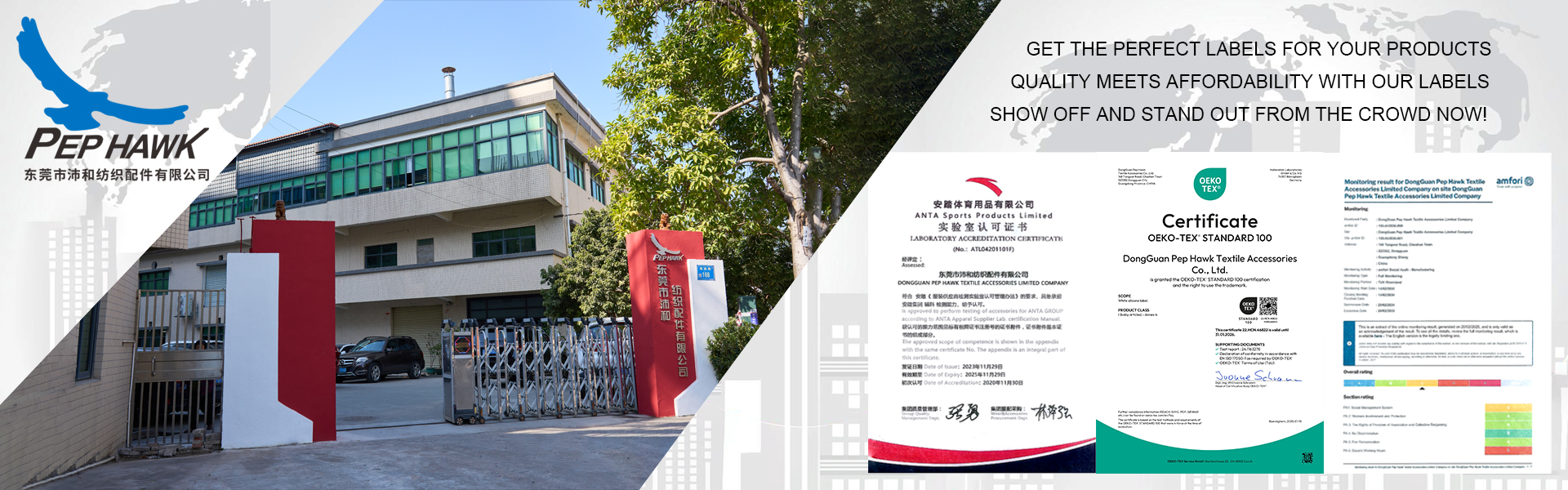
Beyond the Bulk Order: Finding a Custom Patch Company That Understands Your Niche
The Rise of Peel-and-Stick Cloth Patches for Agile Style



