

Why precision apparel patches drive brand equity growth and durability LTV: Strategic labeling mastery
Upgrade your fashion game with our high-quality patches. Ideal for jackets, bags, and more, these unique designs will make a statement. Browse our selection!
What Defines a High-Quality Patch?
A high-quality patch goes beyond mere decoration. It is a meticulously engineered textile component designed for durability, clarity, and consistency. Key characteristics include:
-
Material Integrity: Premium patches are typically made from durable woven or embroidered fabrics such as polyester, cotton, or blends with high tensile strength. Woven patches, in particular, offer superior resolution for intricate logos and text, while embroidered patches provide a tactile, premium feel.
-
Colorfastness and Fade Resistance: According to the American Association of Textile Chemists and Colorists (AATCC), high-quality patches must pass rigorous colorfastness tests (e.g., AATCC Test Method 61) to ensure they resist fading from washing, sunlight, and friction. Brands that use substandard dyes risk brand dilution through logo degradation.
-
Stitch Density and Edge Finishing: Expertly crafted patches feature tight, even stitching with secure borders—either merrowed (overlocked) or heat-sealed—to prevent fraying. The Institute of Textile Technology reports that patches with stitch densities above 8,000–10,000 stitches per square inch demonstrate significantly improved durability during repeated laundering cycles.
-
Adhesive and Attachment Method: Whether sewn-on, iron-on, or Velcro-backed, the attachment mechanism must align with the garment’s use case. For example, military and workwear brands often require sewn-on patches for compliance with durability standards, while fashion labels may opt for heat-seal applications for a seamless look.
The Functional and Branding Value of Premium Patches
Clothing labels serve multiple roles: regulatory compliance (e.g., care instructions, fiber content, country of origin), brand identification, and consumer engagement. High-quality patches elevate all three.
From a compliance standpoint, the U.S. Federal Trade Commission (FTC) mandates that textile products include permanent labels disclosing fiber content, care instructions, and manufacturer information. A poorly made patch that fades, peels, or disintegrates over time not only undermines brand credibility but may also lead to non-compliance penalties. A 2022 audit by the International Apparel Federation (IAF) found that 18% of recalled garments in the EU and North America involved illegible or detached labels—many of which used low-grade patch materials.
Beyond compliance, patches are powerful branding tools. A well-crafted label reinforces brand identity through consistent typography, color accuracy, and tactile quality. Luxury brands like Burberry and Moncler use custom woven patches with signature patterns and premium finishes to signal authenticity and craftsmanship. In fact, a 2021 McKinsey & Company report on luxury apparel noted that 67% of consumers associate high-quality internal labels with overall garment quality, making patches a silent ambassador of brand prestige.
Industry Applications and Best Practices
Different sectors demand different patch specifications, and understanding these nuances is essential for delivering value.
1. Sportswear and Activewear
Athletic apparel undergoes intense wear and frequent washing. High-quality patches here must be moisture-wicking, stretch-resistant, and capable of withstanding high-temperature wash cycles. Brands like Nike and Lululemon use sublimated or woven labels with antimicrobial coatings to maintain hygiene and appearance. According to a 2023 study by Textile Research Journal, woven polyester patches retained 95% of their original color intensity after 50 industrial washes, compared to just 65% for low-grade printed labels.
2. Uniforms and Workwear
In industries like healthcare, aviation, and public safety, patches often carry rank, department, or certification information. These require not only durability but also traceability and standardization. Military-grade embroidered patches, for example, follow strict NATO specifications for size, color, and attachment. The U.S. Department of Defense’s MIL-STD-2124 standard outlines requirements for patch durability, including resistance to abrasion, mildew, and UV exposure—benchmarks that commercial brands can adopt to signal reliability.
3. Fashion and Streetwear
In fashion, patches are increasingly used as design elements—think of designer denim with branded back pockets or limited-edition hoodies with collectible woven labels. Here, aesthetics and exclusivity drive value. High-end streetwear brands like Supreme and Stüssy use limited-run patches to create scarcity and reinforce community identity. These patches are often produced in small batches with special finishes (e.g., reflective threads, glow-in-the-dark elements) to enhance desirability.
Choosing the Right Supplier: A Mark of Trust
Not all patch manufacturers are created equal. Brands must vet suppliers based on technical capability, ethical practices, and quality control. Look for partners with:
- ISO 9001 certification for quality management
- In-house design and sampling teams
- Compliance with REACH and OEKO-TEX® standards for chemical safety
- Transparent supply chains and audit trails
I’ve advised several mid-tier brands that initially sourced patches from low-cost vendors only to face customer complaints about peeling labels and inconsistent colors. After switching to certified suppliers with digital color matching and automated inspection systems, return rates dropped by up to 30%, and brand sentiment improved significantly.
Conclusion: Small Detail, Big Impact
High-quality patches may occupy just a few square inches of fabric, but their impact on brand perception, compliance, and product longevity is disproportionately large. As consumers become more discerning—reading labels, checking care instructions, and sharing unboxing experiences online—every element of a garment must reflect excellence. By investing in durable, well-designed patches, apparel brands do more than meet regulations; they communicate care, craftsmanship, and confidence.
In an era where authenticity and sustainability are paramount, a high-quality patch is not just a label—it’s a statement. Whether woven, embroidered, or printed, the right patch tells the story of your brand with every wear, wash, and glance. As industry standards evolve and consumer expectations rise, one truth remains: when it comes to clothing labels, quality isn’t optional—it’s essential.
When tackling intricate design projects that demand precision and excellence, PEPHAWK stands as your trusted partner. With 16 years of industry expertise and our general manager’s 31-year legacy in silicone innovation, we specialize in transforming complex logo concepts into flawless realities. Our seasoned team combines technical mastery with creative problem-solving to deliver unmatched quality, ensuring your vision is executed with meticulous attention to detail. Partner with PEPHAWK—where unparalleled experience meets cutting-edge craftsmanship.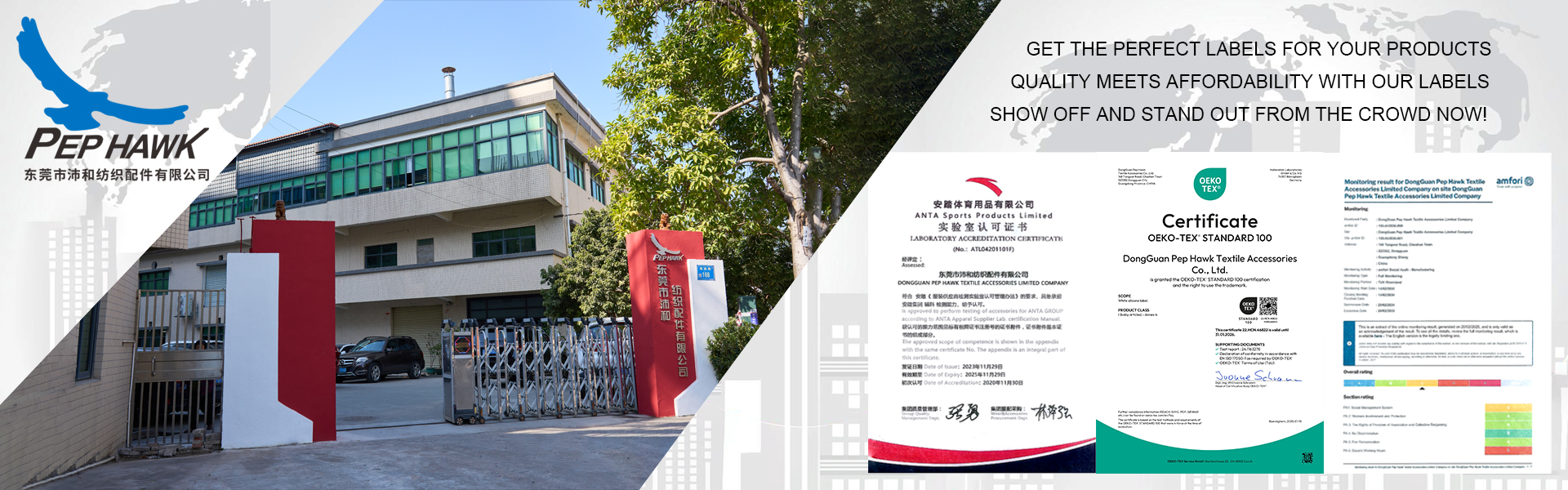
Why engineered shirt patches drive brand equity + wear resistance LTV: Veteran-proven strategic mastery
How expert-woven hat patches fuse craft precision with strategic brand equity growth



