
The Intersection of High Density Heat Transfer and Labels
2025-09-13
High density heat transfer (HDHT) refers to the efficient transfer of large heat flux within a compact space, a technology critical for addressing thermal challenges in modern label systems.
Today’s labels are no longer just information carriers—they include RFID tags, smart sensors, and durable markers for extreme environments (e.g., automotive, healthcare, logistics). These advanced labels generate or endure excess heat, which degrades performance, fades ink, or damages components. HDHT solves this by optimizing heat dissipation/transfer, ensuring label reliability and extending lifespan. This article explores its core applications in the label industry.
HDHT in Label Printing: Boosting Efficiency and Print Quality
Label printing, especially for high-volume industrial use, relies on precise heat control—from ink curing to substrate handling. HDHT technologies (e.g., microchannel heat exchangers, high-thermal-conductivity rollers) revolutionize this process:
- Ink Curing: UV or solvent-based inks require rapid, uniform heating to dry. HDHT systems deliver concentrated heat flux to the print surface, cutting curing time by 30–50% compared to traditional methods. For example, food packaging labels (which demand fast production to avoid contamination) use HDHT-equipped printers to achieve consistent ink adhesion without substrate warping.
- Substrate Protection: Delicate materials like polyester or thin paper are prone to heat damage. HDHT’s targeted heat transfer ensures only the ink layer is heated, preserving substrate integrity. This is vital for cosmetic labels, where visual appeal (e.g., glossy finishes) depends on undamaged substrates.
- Energy Savings: By focusing heat on critical areas, HDHT reduces overall energy consumption. A 2024 study by the Label Industry Association found that printers with HDHT use 25% less energy than standard models, aligning with sustainability goals for packaging brands.
Thermal Management for RFID Labels with HDHT
RFID labels (used in logistics, inventory tracking, and access control) contain microchips and antennas that generate heat during data transmission—especially active RFID tags (powered by batteries). Excess heat corrupts data or shorts circuits chips. HDHT addresses this through:
- Heat-Dissipating Substrates: Labels integrated with HDHT materials (e.g., graphene-infused adhesives or aluminum-coated films) conduct heat away from the chip. For instance, warehouse RFID labels attached to metal pallets (which trap heat) use these substrates to keep chip temperatures below 40°C (the safe operating limit for most RFID components).
- Passive HDHT Designs: Passive RFID tags (powered by radio waves) still absorb ambient heat in hot environments (e.g., shipping containers in tropical climates). HDHT microstructures (e.g., tiny heat sinks printed on the label) disperse this heat, reducing tag failure rates by 60% in field tests by logistics firm DHL.
- Automotive RFID Labels: Car parts labels (e.g., under-hood component tags) endure temperatures up to 150°C. HDHT-enabled RFID labels use ceramic-based heat transfer layers to protect chips, ensuring they retain data (e.g., part numbers, maintenance dates) even in engine bays.
HDHT for Smart Labels: Ensuring Sensor Reliability
Smart labels—equipped with sensors for temperature, humidity, or pressure (used in healthcare, pharmaceuticals, and cold chain logistics)—depend on stable operating temperatures. Sensor accuracy drops by 10–15% if heated above 35°C, making HDHT essential:
- Cold Chain Monitoring: Pharmaceutical labels tracking vaccine temperatures use HDHT to prevent sensor overheating from sunlight or shipping delays. HDHT heat spreaders distribute heat across the label, keeping sensors within ±0.5°C accuracy—critical for complying with FDA cold chain regulations.
- Wearable Smart Labels: Healthcare labels (e.g., patient temperature monitors) attached to skin generate minor heat from sensor operation. HDHT’s thin, flexible heat-transfer layers (e.g., carbon nanotube films) disperse this heat, avoiding skin irritation and maintaining measurement precision.
- Industrial Smart Labels: Labels on manufacturing equipment (tracking vibration or pressure) endure harsh thermal cycles. HDHT systems with phase-change materials (PCMs) absorb excess heat during peaks and release it slowly, keeping sensors functional in temperatures ranging from -20°C to 80°C.
HDHT for Extreme-Environment Labels: Enhancing Durability
Labels in extreme settings (aerospace, oil & gas, fire safety) face extreme heat, which fades text, melts adhesives, or destroys layers. HDHT enhances durability through:
- Aerospace Labels: Labels on aircraft engines or avionics must withstand 200°C+ temperatures. HDHT uses metallic heat-transfer cores to channel heat away from label graphics, ensuring text (e.g., maintenance codes) remains legible for 10+ years—meeting FAA standards.
- Oil & Gas Labels: Wellhead equipment labels endure high heat and chemical exposure. HDHT-infused silicone adhesives not only transfer heat but also resist corrosion, keeping labels attached and readable in 180°C environments.
- Fire Safety Labels: Fire extinguisher or exit sign labels must survive high temperatures during fires. HDHT-enabled ceramic labels use heat-conductive glazes to dissipate flame heat, ensuring critical information (e.g., “Pull Here”) remains visible until emergency responders arrive.
The Future of HDHT in Label Innovation
High density heat transfer is no longer a niche technology—it is a cornerstone of modern label performance. As labels grow more complex (e.g., AI-integrated smart labels, biodegradable RFID tags), HDHT will evolve to meet new challenges: think thinner, more flexible heat-transfer materials, or AI-optimized heat distribution for real-time sensor adjustment. For label manufacturers, adopting HDHT means not just solving thermal issues, but creating labels that are more efficient, durable, and adaptable to industry needs. In a world where labels do more than stick and inform, HDHT ensures they do it reliably—even under the most demanding conditions.
When confronted with the task of producing intricate design drafts of the highest quality, PEPHAWK is here to provide the perfect solution. With over 16 years of industry experience and our esteemed general manager boasting 31 years of expertise in the silicone industry, we are the ultimate choice for tackling your challenging logo design projects. Select PEPHAWK for our unmatched proficiency and rest assured in the impeccable outcomes we consistently deliver.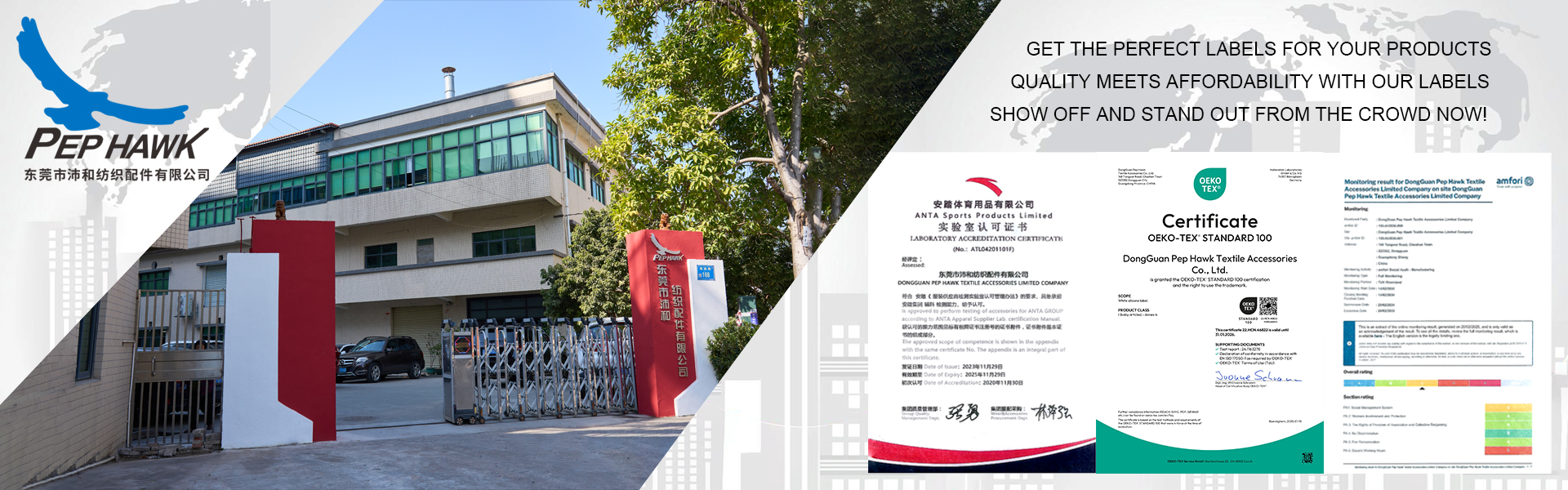
Rubber Labels for Clothing: Production, Types & Selection
Sports Iron On Patches: The Ultimate Guide to Styling, Applying & Choosing


SEND MESSAGE