

Hem Tags: A Small Detail with Big Impact
2024-12-13
Delve into the significance of hem tags on our site. Gain insights into their applications in textiles and how they can elevate your design work.
Hem tags are small details that can have a big impact on a company's branding and marketing efforts. They are small labels usually placed on the hemline of a garment and contain important information about the product, such as the brand name, size, and care instructions. Hem tags are an essential part of fashion branding, but their benefits extend beyond aesthetics.
In this article, we will explore the history of hem tags, the different types of hem tags, their impact on business, and their contribution to sustainability. We will explain how hem tags can help companies stand out in a crowded marketplace, cultivate customer loyalty, and promote sustainable fashion practices.
The History of Hem Tags
The use of hem tags for branding dates back to the early 20th century when clothing manufacturers started adding woven labels to their products. The labels, also known as "name tapes", were originally used to identify a soldier's uniform during World War I.
Over time, name tapes evolved into woven hem tags that contained the manufacturer's logo, size, and other relevant product information. In the 1950s and '60s, hem tags became an essential element of fashion branding, as designers added their logos to their garments to differentiate themselves from their competitors.
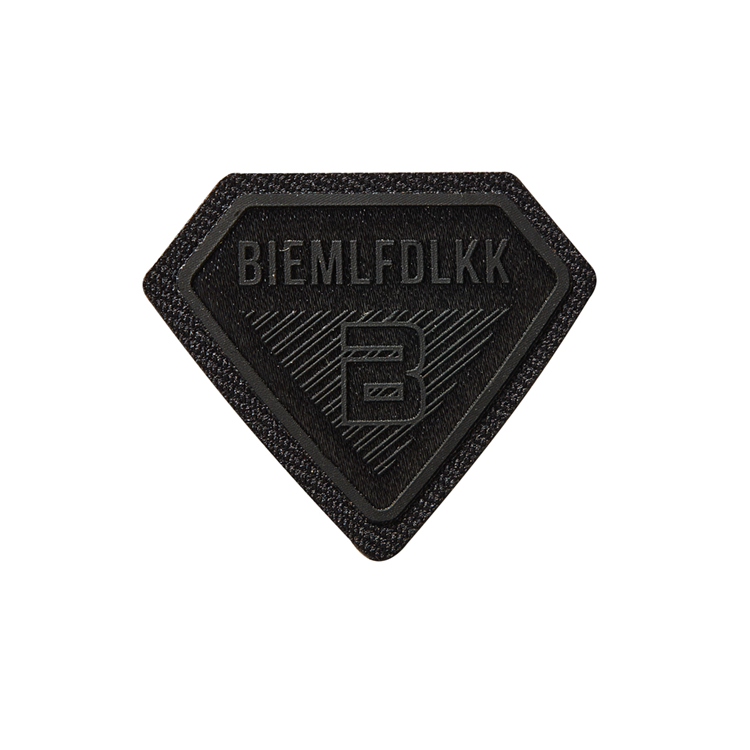
Today, hem tags come in a variety of materials, including woven, printed, and embroidered labels, and are customized to fit each company's branding needs.
Different Types of Hem Tags
Woven Hem Tags: Woven labels are a traditional and versatile choice, often chosen for their durability and longevity. They are made by weaving yarn on a loom, which results in a high-quality label with a luxurious look and feel. They are available in a range of materials, from cotton to polyester or satin. The texture can promote a tactile experience for the customer, adding a sense of quality to the product. Woven hem tags are an excellent choice for high-end or luxury products because they provide a premium look and feel that enhances the brand image. They also have excellent wash resistance and long-lasting performance, making them an ideal choice for garments that have a long shelf-life or are often subjected to harsh conditions.
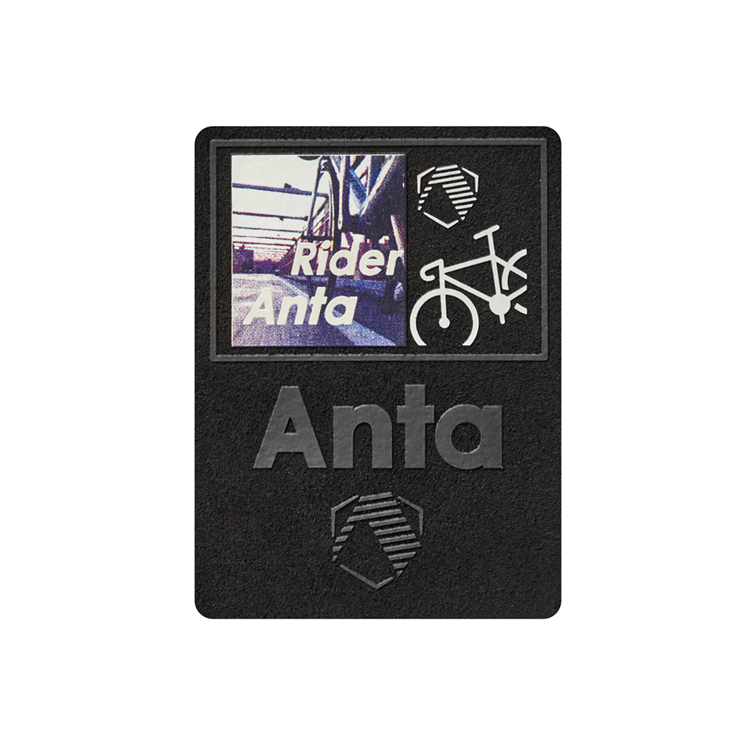
Printed Hem Tags: Printed labels are a cost-effective option for smaller companies or custom-made products with shorter production runs. They can be printed on various materials, including paper, vinyl, and thermal transfer labels. Printed labels offer a lot of customization, allowing for logos, brand names, and even pictures to be included in the design. They can be made in various colors and sizes, and the printing method ensures that high-quality images can be produced at a low cost. Printed hem tags can be used as a transitional label until a company's woven label production is available and can be used as a cost-effective alternative for samples or limited edition garments with smaller production runs.
Embroidered Hem Tags: Embroidered labels are often chosen for their visual appeal and texture, which adds another dimension to the garment. The label is stitched onto the fabric with thread, which makes it an excellent choice for high-end or luxury products. It offers a touch of customization due to its raised texture and three-dimensional feel. Embroidered hem tags have a premium look and feel that exalts the garment and enhances the brand image. While embroidered hem tags are more expensive, they are suitable for companies that want to add a unique and special touch to their branding.
Customized Hem Tags: Customized hem tags allow companies to create unique branding labels that reflect their brand image and personality fully. Companies can choose the material, color, font, and size of the label to adjust them to their requirements. Customized hem tags offer limitless design options and provide more room for creativity, enabling businesses to create a memorable and distinctive branding element. Companies that use customized hem tags tend to stand out in a crowded marketplace, and the product becomes immediately recognizable to customers. Additionally, customized hem tags allow businesses to strengthen their brand image by associating it with high-quality fabric and craftsmanship.
The Impact of Hem Tags on Business
Hem tags have a significant impact on business by acting as an essential branding tool that differentiates products in a crowded marketplace, builds customer loyalty, and conveys valuable information about the product. Hem tags also contribute to marketing and advertising campaigns, as they display brand messages and identity while helping to create emotional connections with consumers.
Brand recognition is crucial when it comes to establishing market share and profitability, and creating that recognition involves adding consistent visual cues to a product. Hem tags can be used to create that recognition by displaying the brand name, logo, and messaging on the product. The visual cues reinforce an emotional connection with customers, leading to increased brand awareness and repeat business.
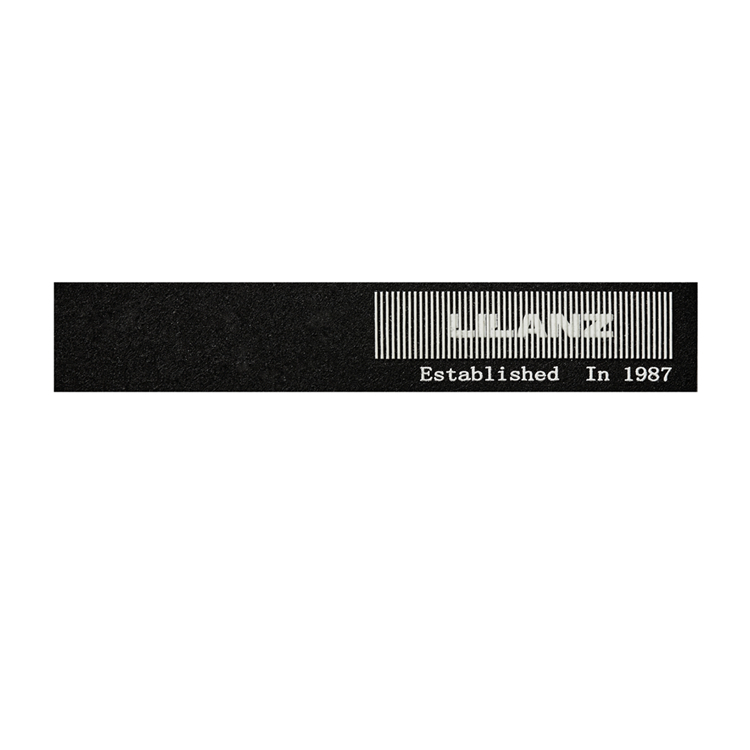
Establishing a connection with customers is essential to building loyalty and trust. Hem tags help cultivate brand loyalty by maximizing the potential of a product and constantly reminding customers about the product's value, quality, and trustworthiness. Therefore, customers are less likely to switch to a different brand, leading to higher sales and profits.
Hem Tags and Sustainability
Sustainability in the fashion industry is becoming increasingly critical as consumers become more conscious of the environmental impact of clothing production. Companies are now striving to reduce their carbon footprint, increase their use of sustainable materials, and minimize waste.
Hem tags can play a role in promoting sustainable fashion practices. Companies can opt for sustainable materials such as organic cotton, bamboo, or recycled polyester when producing hem tags. They can also choose to print or embroider the tags directly on the garment rather than adding a separate label, reducing waste and environmental impact.
Conclusion
Hem tags are small details with a significant impact on business branding, marketing efforts, customer loyalty, and sustainability. By customizing hem tags and choosing sustainable materials, companies can create a unique branding element while promoting sustainable fashion practices.
As the fashion industry continues to evolve, hem tags will likely remain an essential part of branding and marketing strategies. By using hem tags to their full potential, companies can differentiate themselves from their competitors and contribute to a sustainable future.
The Art and Science of Custom Thermal Label Design
Creative Ideas for Clothing Tag Designs



SEND MESSAGE