

Unlocking the Power of Thermal Adhesive for Custom Patches
Find the perfect heat transfer patches to enhance your clothing projects. Our selection combines quality and creativity, ensuring a professional finish every time.
Thermal adhesive has revolutionized the way custom patches are applied to garments and accessories, offering a seamless blend of durability, versatility, and ease of use. Whether you're crafting personalized apparel, creating branded uniforms, or designing unique accessories, understanding how thermal adhesive works can elevate your projects to the next level. In this article, we’ll delve into the science behind thermal adhesive, its advantages, tips for effective application, and answers to common questions about its use.
The Science Behind Thermal Adhesive: What Makes It Tick?
Thermal adhesive is more than just glue—it’s a sophisticated polymer-based material engineered to activate under heat. This activation process creates a strong, permanent bond between the patch and the fabric, ensuring longevity and resilience against everyday wear and washing.
Key Components
- Polymer-Based Materials: Most thermal adhesives are made from polymers like polyurethane (PU) or ethylene-vinyl acetate (EVA). These materials soften when heated and solidify upon cooling, forming a durable bond.
- Flexibility and Washability: The composition of these adhesives ensures they remain flexible even after bonding, preventing cracking or peeling over time. They’re also designed to withstand repeated wash cycles without losing their grip.
Choosing the Right Adhesive
When selecting a thermal adhesive, consider the following factors:
- Temperature Resistance: Ensure the adhesive can handle the heat settings required for your fabric type.
- Wash Durability: Look for adhesives that maintain their bond through multiple washes.
- Fabric Compatibility: Not all fabrics work equally well with thermal adhesive, so choose one suited to your project.
Understanding these elements helps you make informed decisions and achieve professional-grade results.
How Does the Heat Press Method Work?
The heat press method is the cornerstone of thermal adhesive application. Here’s a step-by-step breakdown of how it works:
- Heat Activation: When heat is applied, the adhesive melts slightly, allowing it to penetrate the fibers of the fabric.
- Pressure Application: Consistent pressure ensures the adhesive spreads evenly across the patch, maximizing contact with the fabric.
- Cooling Phase: As the adhesive cools, it hardens and forms a secure bond. This phase is critical—premature handling can weaken the attachment.
- Edge Sealing: Properly applied thermal adhesive seals the edges of the patch, reducing fraying and enhancing overall durability.
By mastering the heat press technique, you can ensure your patches stay firmly attached, maintaining their appearance and functionality.
Why Choose Thermal Adhesive for Your Projects?
Thermal adhesive offers numerous benefits that make it a go-to choice for custom patches and fabric decoration:
1. Strong and Durable Bond
Thermal adhesive ensures patches remain securely attached, even after repeated washing and daily wear. This reliability is crucial for items like uniforms, bags, and promotional merchandise.
2. Ease of Use
With minimal equipment—a heat press and protective sheet—you can apply patches quickly and efficiently. There’s no need for sewing skills or messy glues.
3. Versatility Across Fabrics
From cotton and polyester to blends, thermal adhesive works seamlessly with a wide range of materials. It’s particularly effective for intricate designs and detailed patches.
4. Lightweight and Non-Bulky
Unlike sew-on methods, thermal adhesive adds virtually no weight to the garment, preserving its original feel and comfort.
5. Cost-Effective Solution
For businesses and hobbyists alike, thermal adhesive provides an affordable way to create high-quality custom patches without breaking the bank.
These advantages make thermal adhesive an indispensable tool for anyone involved in embroidery, fashion design, or branding.
Pro Tips for Perfect Thermal Adhesive Application
To get the most out of thermal adhesive, follow these expert tips:
1. Prepare Your Fabric
Ensure the fabric is clean, dry, and free of lint or debris. Any contaminants can interfere with adhesion.
2. Precise Cutting
Cut the adhesive to match the size and shape of your patch exactly. Excess adhesive can seep out during pressing, creating unsightly residue.
3. Optimal Heat and Pressure Settings
Refer to the manufacturer’s guidelines for temperature and pressure recommendations. Too little heat won’t activate the adhesive fully, while excessive heat can damage the patch or fabric.
4. Use Protective Sheets
Place a Teflon or silicone sheet between the heat press and the patch to prevent scorching or melting.
5. Allow Proper Cooling
After pressing, let the patch cool completely before handling. Rushing this step can compromise the bond.
6. Inspect the Edges
Check the perimeter of the patch to ensure the adhesive has bonded securely. If necessary, reapply heat to any loose areas.
By adhering to these best practices, you’ll achieve flawless results every time.
Common Applications of Thermal Adhesive in Fabric Decoration
Thermal adhesive is a game-changer for various creative endeavors. Some popular applications include:
- Custom Patches: Secure badges, logos, and emblems onto uniforms, jackets, and hats.
- Appliqués and Embellishments: Add decorative elements to garments, bags, and home textiles.
- Branding Merchandise: Create branded items like tote bags, caps, and aprons with ease.
- DIY Crafting: Personalize gifts, quilts, and accessories with unique designs.
Its versatility makes thermal adhesive a favorite among professionals and hobbyists alike.
Addressing Common Questions About Thermal Adhesive
Here are answers to some frequently asked questions:
Can Thermal Adhesive Be Used on All Fabric Types?
While thermal adhesive works well with most fabrics, such as cotton and polyester, it may not adhere effectively to delicate materials like silk or those with high nylon content. Always test compatibility beforehand.
How Long Does Thermal Adhesive Last?
With proper care, thermal adhesive can last several years. Avoid harsh detergents and extreme temperatures to extend its lifespan.
Is Thermal Adhesive Safe for Children’s Clothing?
Yes, thermal adhesive is non-toxic and safe for use on children’s clothing. Just ensure you follow the manufacturer’s instructions for application and laundering.
Can I Remove Thermal Adhesive From Fabric?
If needed, thermal adhesive can be removed by reheating it to soften and scraping it off gently. Alternatively, solvents like rubbing alcohol can help dissolve the adhesive.
What Temperature Is Ideal for Application?
Most thermal adhesives require temperatures between 250°F and 350°F. Always refer to the product’s specifications for precise guidance.
When confronted with the task of producing intricate design drafts of the highest quality, PEPHAWK is here to provide the perfect solution. With over 16 years of industry experience and our esteemed general manager boasting 31 years of expertise in the silicone industry, we are the ultimate choice for tackling your challenging logo design projects. Select PEPHAWK for our unmatched proficiency and rest assured in the impeccable outcomes we consistently deliver.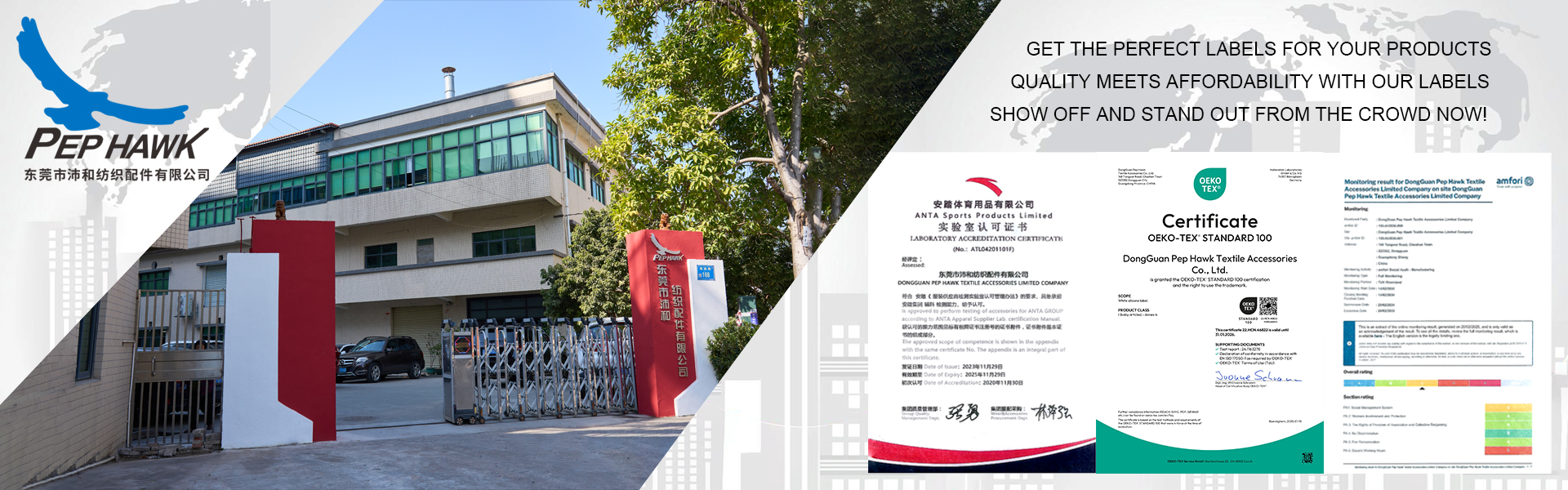
The Ultimate Guide to the Puma Patch Backpack: Style Meets Functionality
12 Creative Ways to Use Patches: Elevate Your Style and Tell Your Story



