

Why Are Heat Transfer Patches Revolutionizing Custom Apparel
Transform your garments with our heat transfer patches. Easy to apply and available in various designs, they are perfect for adding a personal touch.
Heat transfer patches have emerged as a game-changer in the world of custom fashion, blending innovation with accessibility. Unlike traditional methods like embroidery or screen printing, these patches use heat-activated adhesive to bond designs seamlessly onto fabric. This technology has gained traction for its ability to produce vibrant, detailed graphics that maintain their integrity even after repeated washing.
The rise of on-demand fashion and the push for sustainable production methods have further fueled their popularity. Brands and DIY enthusiasts alike are leveraging heat transfer patches to create everything from bold statement pieces to limited-edition collections. But how exactly are they reshaping the industry?
What Makes Heat Transfer Patches a Sustainable Alternative?
Sustainability is a driving force behind the adoption of heat transfer patches. Traditional printing methods often involve excessive water usage, chemical dyes, and fabric waste. In contrast, heat transfer technology minimizes environmental impact by reducing resource consumption. Since patches are applied directly to garments, there’s no need for excess fabric or ink, aligning with the zero-waste fashion movement.
Additionally, many heat transfer materials are now made from eco-friendly substrates, such as recycled polyester or biodegradable films. This shift appeals to eco-conscious consumers who prioritize durability and ethical production without compromising on style.
When Should Designers Opt for Heat Transfer Patches?
Timing plays a critical role in maximizing the benefits of heat transfer patches. They’re particularly advantageous for time-sensitive projects, such as seasonal collections or pop-up events, where speed and flexibility are essential. Designers can quickly iterate and test new patterns without committing to large-scale production runs.
The technology also shines in the era of personalized fashion. As consumers increasingly demand made-to-order items, heat transfer patches enable brands to offer customization at scale. Imagine a customer personalizing a jacket with their name or a unique design in-store—ready to wear in minutes.
Where Are Heat Transfer Patches Making the Biggest Impact?
The versatility of heat transfer patches has led to their adoption across diverse sectors. In sportswear, teams use them to add dynamic logos or player names to uniforms without adding bulk. Streetwear brands, meanwhile, employ them to create edgy, layered designs that stand out in a crowded market.
Even interior designers are experimenting with heat transfer patches to customize home textiles, such as cushions or curtains. This cross-industry appeal highlights the technology’s adaptability, proving it’s not limited to apparel alone.
Who Is Driving Innovation in Heat Transfer Patch Technology?
Tech startups and fashion innovators are at the forefront of advancing heat transfer patch capabilities. Companies specializing in smart textiles are integrating conductive inks or temperature-sensitive materials into patches, creating interactive designs that change color or display dynamic patterns.
On the creative side, indie designers and influencers are pushing boundaries by combining heat transfer patches with upcycled garments. Platforms like TikTok and Instagram showcase their experiments, inspiring global audiences to reimagine secondhand clothing through patch customization.
How Do Heat Transfer Patches Enhance Brand Storytelling?
Heat transfer patches offer a unique medium for brands to communicate their identity. For example, a sustainable fashion label might use patches made from recycled materials to visually reinforce its eco-friendly ethos. Similarly, a tech brand could incorporate circuit-board-inspired designs to highlight innovation.
The ability to layer multiple patches also allows for narrative depth. A travel-themed collection might feature heat transfer patches depicting landmarks or cultural motifs, turning a simple garment into a wearable story. This storytelling aspect fosters deeper consumer engagement and brand loyalty.
If you're facing the challenge of completing complex design drafts with impeccable quality, look no further than PEPHAWK. Our 16 years of experience and our general manager's 31 years of silicone industry involvement make us the ideal choice to solve your difficult and complicated logo design problems. Choose the expertise of PEPHAWK and feel confident in the flawless results that we deliver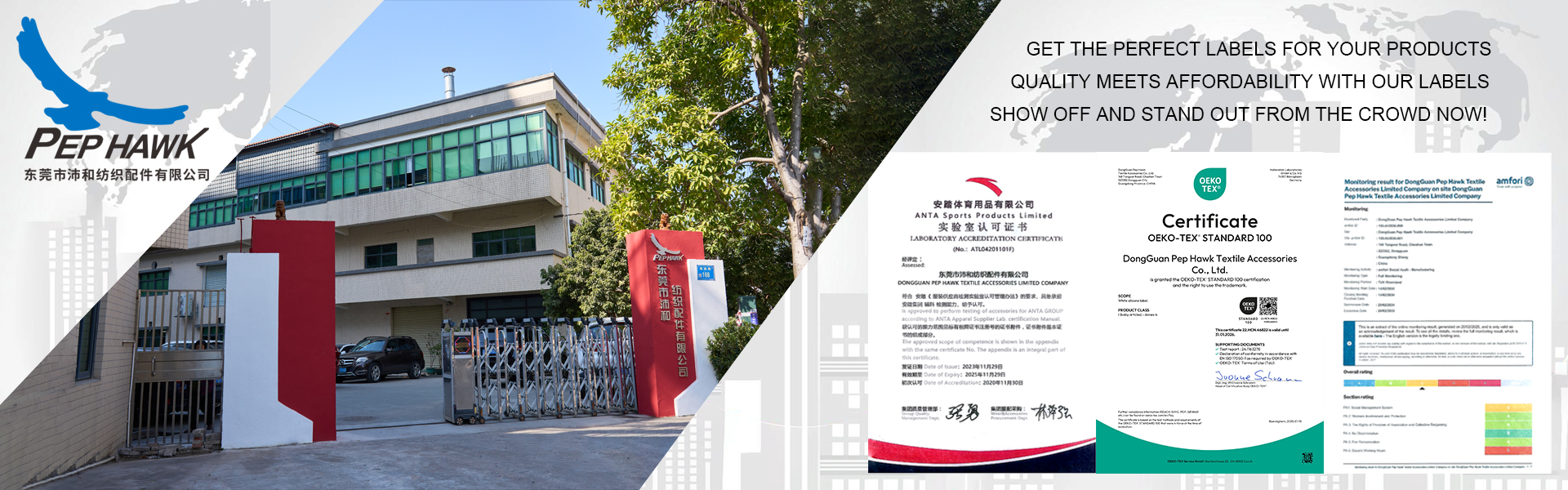
Why Iron-On Patches Are the Ultimate Trend for T-Shirt Customization
Why Wholesale Leather Patches Are Dominating the Fashion Industry



