

The 3 Biggest Myths About Heat Transfer Paper for Shirts Busted! Prepare for a Surprise
Elevate your shirt designs with our premium heat transfer paper. Ideal for both beginners and pros, achieve stunning results with every print.
Myth 1: "Heat Transfer Paper Is Only Suitable for Small-Scale Projects"
One common misconception about heat transfer paper is that it’s exclusively designed for small-scale or DIY projects. While it’s true that hobbyists have long embraced this technology, modern advancements in heat transfer paper make it equally suitable for large-scale commercial operations. Here’s how:
Procurement: Choosing the Right Supplier
When sourcing heat transfer paper, selecting a reputable supplier is key. Look for vendors who offer bulk purchasing options, ensuring consistent quality and competitive pricing. Many suppliers now provide specialized grades of paper tailored for industrial printers, making them ideal for mass production. Additionally, partnering with suppliers who prioritize sustainability can enhance your brand image—a growing concern among eco-conscious consumers.
Production Efficiency
Modern heat transfer papers are engineered for speed and precision. They work seamlessly with advanced heat presses, reducing setup times and minimizing waste. For example, multi-layered designs that once required multiple transfers can now be executed in a single step using premium-grade papers. This efficiency translates directly into faster turnaround times and higher profit margins for businesses operating at scale.
Customization at Scale
The ability to personalize products en masse is another advantage of heat transfer paper. Whether you're producing team jerseys, promotional merchandise, or retail collections, heat transfer technology allows you to customize each piece without sacrificing consistency or quality. This level of flexibility sets it apart from traditional screen printing methods, which often struggle with intricate designs or variable outputs.
Myth 2: "Heat Transfer Paper Compromises Durability and Washability"
Another persistent myth suggests that garments printed with heat transfer paper lack durability compared to other methods like embroidery or direct-to-garment (DTG) printing. However, recent innovations have addressed these concerns head-on.
Material Quality Matters
Not all heat transfer papers are created equal. High-performance variants, such as those coated with polymer-based adhesives, bond exceptionally well with fabric fibers. These materials resist cracking, peeling, and fading even after repeated wash cycles. During procurement, opt for papers certified by independent testing bodies like OEKO-TEX® or ASTM International to ensure longevity.
Application Best Practices
Durability isn’t just about the material—it’s also about proper application. Investing in professional-grade heat presses ensures even pressure and temperature distribution, critical factors for achieving optimal results. Training staff on best practices for time, temperature, and pressure settings further enhances garment longevity. By following manufacturer guidelines meticulously, businesses can deliver products that withstand years of wear and tear.
Consumer Confidence Through Testing
To build trust with customers, consider conducting third-party durability tests on your finished products. Sharing these results through marketing channels reassures clients that your shirts meet rigorous standards. Highlighting certifications and testimonials adds credibility, setting your offerings apart from competitors still clinging to outdated perceptions.

Myth 3: "Heat Transfer Paper Is Expensive Compared to Alternatives"
Many businesses shy away from heat transfer paper due to perceived high costs. However, when viewed holistically—from initial investment to long-term ROI—this method proves remarkably economical.
Initial Investment vs. Operational Savings
While the upfront cost of heat transfer paper may seem steep, especially for premium varieties, the overall expense is often lower than alternatives like DTG printing. Unlike DTG machines, which require significant capital investment and ongoing maintenance, heat presses are relatively affordable and easy to maintain. Moreover, heat transfer paper eliminates the need for costly ink cartridges and pretreatment solutions associated with DTG systems.
Reduced Waste Equals Cost Efficiency
Heat transfer paper minimizes material wastage thanks to precise cutting techniques made possible by digital design software. Businesses can create exact templates for their projects, reducing excess paper usage. Furthermore, leftover sheets can often be reused for smaller prints, maximizing every purchase.
Scalable Pricing Models
Suppliers frequently offer tiered pricing structures based on order volume, allowing businesses to negotiate better rates as they scale. Bulk buying combined with efficient inventory management lowers per-unit costs significantly over time. For startups and established enterprises alike, this scalability ensures financial viability across different stages of growth.
When confronted with the task of producing intricate design drafts of the highest quality, PEPHAWK is here to provide the perfect solution. With over 16 years of industry experience and our esteemed general manager boasting 31 years of expertise in the silicone industry, we are the ultimate choice for tackling your challenging logo design projects. Select PEPHAWK for our unmatched proficiency and rest assured in the impeccable outcomes we consistently deliver.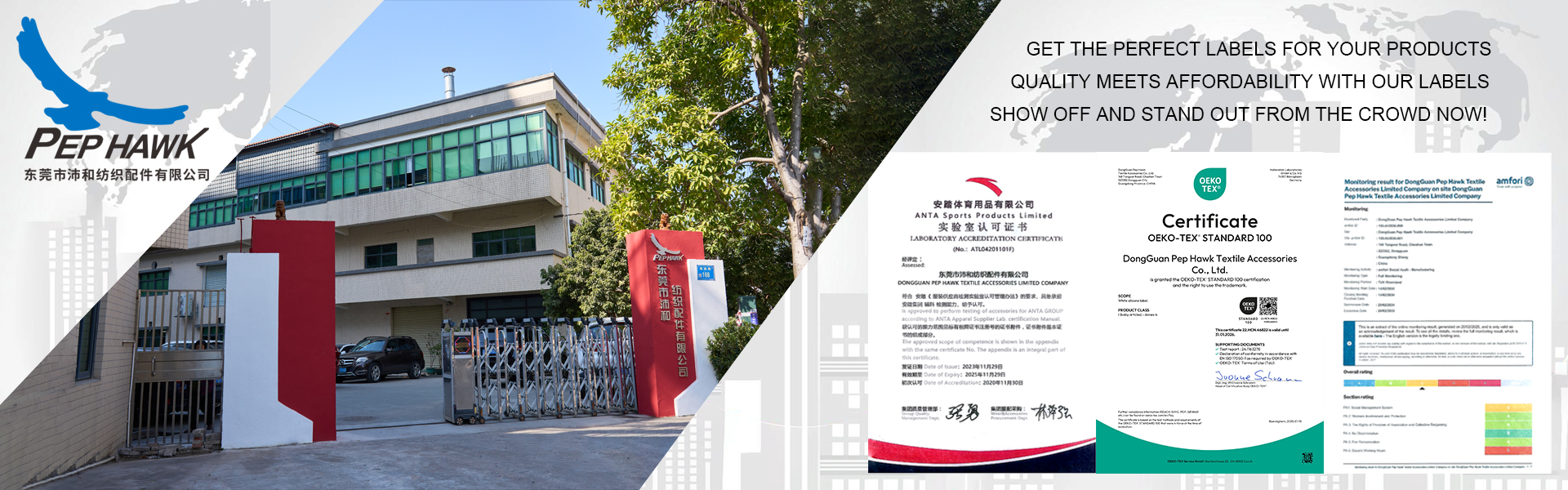
Unlock Your Inner Designer: 7 Easy Steps to Stunning Custom Gear with Printable Iron-On Transfers
The Surprising Truth: Why 3D Cap Embroidery is the Easiest Way to Wow Your Clients



