

The #1 Reason Your Heat Transfer for Shirts With Logo Looks Cheap
Learn about effective heat transfer methods for customizing shirts with logos. Create eye-catching designs that leave a lasting impression.
Heat transfer is one of the most popular methods for customizing shirts with logos due to its versatility, cost-effectiveness, and ability to produce vibrant designs. However, many businesses end up with results that look unprofessional or low-quality, undermining their brand image. The root cause often boils down to poor material and process choices . This article explores why this happens and how to ensure your heat transfers elevate your branded apparel instead of cheapening it.
1. Low-Quality Transfers: Cutting Corners Costs Credibility
The single biggest reason heat transfers look cheap is the use of inferior materials. Thin, flimsy transfer films may save money upfront but fail to hold up under regular wear and washing.
Signs of Poor-Quality Transfers :
- Cracking or Peeling : Transfers lose adhesion after a few washes, leaving unsightly gaps.
- Fading Colors : Vibrant logos turn dull due to subpar inks or lack of UV protection.
- Stiffness : Low-grade films create an uncomfortable, plasticky texture on the fabric.
Solution : Invest in premium heat transfer vinyl (HTV) like polyurethane-based films or silicone-infused materials . These options offer superior durability, flexibility, and color retention, ensuring your logo stays sharp and professional-looking.
Case Study : A sports team upgraded to stretchable HTV for their jerseys, eliminating complaints about cracking logos and enhancing player comfort during intense physical activity.
2. Improper Application: Technique Matters as Much as Materials
Even high-quality transfers can fail if not applied correctly. Many businesses cut costs by using inexperienced printers or outdated equipment, leading to uneven application and poor adhesion.
Common Application Mistakes :
- Incorrect Temperature/Pressure : Too much or too little heat damages both the transfer and the fabric.
- Inadequate Surface Preparation : Skipping fabric pre-treatment reduces adhesion strength.
- Rushed Cooling : Removing garments before transfers fully cool causes peeling edges.
Tech Edge : Partner with suppliers offering automated heat press machines calibrated for precision. These systems ensure consistent temperature, pressure, and timing for flawless results every time.
ROI Impact : A retail chain reduced return rates by 35% after switching to a supplier with ISO-certified heat transfer processes, ensuring zero defects in their branded tees.
3. Ignoring Fabric Compatibility: Mismatch Leads to Failure
Not all fabrics work well with heat transfers. Applying standard transfers to delicate or synthetic materials without proper adjustments often results in damage or poor performance.
Fabric-Specific Challenges :
- Polyester : High heat can scorch fibers, causing discoloration or melting.
- Cotton Blends : Uneven absorption leads to inconsistent ink bonding.
- Stretch Fabrics : Rigid transfers crack when stretched, ruining the design.
Smart Strategy : Use fabric-specific HTV solutions tailored to your material type. For example:
- Sublimation-friendly transfers for polyester.
- Eco-solvent inks for cotton blends.
- Stretchable HTV for spandex-rich fabrics.
Real-Life Example : A fitness brand eliminated issues with cracked logos on workout gear by switching to heat-activated stretch HTV , which moved seamlessly with the fabric during exercise.
4. Overlooking Design Details: Complexity Can Backfire
While intricate designs may look impressive on paper, they often translate poorly to heat transfers, especially on small logos or complex patterns. Overloading details can make the final product appear cluttered and amateurish.
Design Pitfalls to Avoid :
- Excessive Layers : Thick stacks of HTV feel bulky and peel easily.
- Tiny Text or Details : Fine elements blur or disappear during transfer.
- Poor Contrast : Light-colored logos fade into white backgrounds, losing visibility.
Pro Tip : Simplify your design while maintaining impact. Use vector graphics for clean lines and test mockups on different shirt colors to ensure readability.
Success Story : A startup simplified their logo from 6 colors to 2, reducing production costs by 20% while achieving a sleek, professional appearance that resonated with customers.
5. Neglecting Post-Production Testing: Quality Assurance is Key
Many businesses skip post-production testing, assuming the job is done once transfers are applied. Without rigorous checks, flaws like peeling edges or misaligned logos go unnoticed until it’s too late.
Steps for Effective Testing :
- Wash Tests : Simulate industrial laundering to assess durability.
- Stretch Tests : Check how transfers perform under stress.
- Colorfastness Checks : Ensure no bleeding or fading occurs over time.
Tech Innovation : Work with suppliers offering digital quality control tools that use AI to detect imperfections during production.
Impact : A hospitality group avoided $5,000 in replacement costs by conducting wash tests before rolling out new uniforms, catching issues early and maintaining brand consistency.
Transform Your Heat Transfers: Actionable Steps for Success
To ensure your heat transfers for shirts with logos look professional and durable, follow these steps:
- Upgrade Materials : Switch to premium HTV tailored to your fabric type.
- Refine Application : Use automated presses and train staff on proper techniques.
- Simplify Designs : Focus on bold, clean logos that translate well to transfers.
- Test Thoroughly : Conduct rigorous post-production checks to catch flaws early.
Next Steps : Request a free sample pack of high-quality HTV materials and a consultation with our experts to optimize your process.
When tackling intricate design projects that demand precision and excellence, PEPHAWK stands as your trusted partner. With 16 years of industry expertise and our general manager’s 31-year legacy in silicone innovation, we specialize in transforming complex logo concepts into flawless realities. Our seasoned team combines technical mastery with creative problem-solving to deliver unmatched quality, ensuring your vision is executed with meticulous attention to detail. Partner with PEPHAWK—where unparalleled experience meets cutting-edge craftsmanship.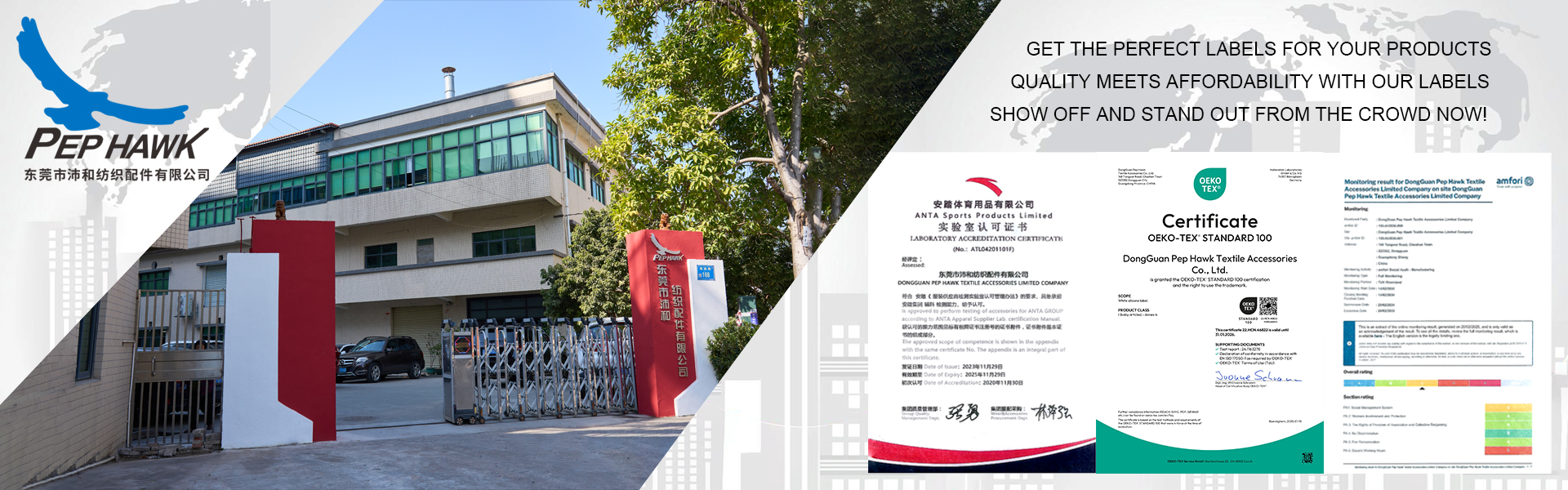
Unlock 7 Secrets: How to Create Stunning Vinyl Stickers & Stop Wasting Hours.
Unlock Incredible Brand Power: How to Customize Your Shirt With Logo in 4 Easy Steps



