

5 Critical Errors that Cause Peeling: Why Your Heat Transfer Decals for T-shirts Fail and How to Stop It for Good
Unleash your creativity with our heat transfer decals for t-shirts. Easy to apply and available in various designs, perfect for any fashion enthusiast.
1. Using Subpar Materials: The Hidden Cost of Cheap Vinyl
The quality of your heat transfer vinyl (HTV) directly impacts durability. Many businesses opt for low-cost materials to cut expenses, only to face complaints about cracking or lifting edges.
Why It Fails:
- Thin or non-textile-grade vinyl lacks flexibility, causing it to stiffen and separate from the fabric.
- Poor adhesive layers degrade under repeated washing or friction.
Solution:
Invest in polyurethane-based (PU) HTV or textile-specific vinyl designed for stretch and breathability. These materials conform to fabric movement and maintain adhesion even after multiple washes. For high-performance apparel (e.g., sportswear), choose nylon-based HTV with reinforced adhesives.
Pro Tip: Request samples from suppliers and test them under real-world conditions (e.g., stretching, tumbling in a dryer) to validate durability.
2. Incorrect Temperature and Pressure Settings: The Science of Adhesion
Heat presses are precision tools, but improper calibration is a leading cause of peeling. Even a 10°F deviation can compromise results.
Why It Fails:
- Too low heat: The adhesive doesn’t fully activate, leading to weak bonding.
- Too high heat: The vinyl melts or burns, damaging both the decal and the garment.
- Uneven pressure: Air bubbles or incomplete adhesion occur in certain areas.
Solution:
Follow manufacturer guidelines for temperature, pressure, and pressing time. Use a digital heat press with precise controls and a pressure gauge. For tricky fabrics (e.g., blends or moisture-wicking materials), conduct test presses on scrap fabric to fine-tune settings.
Industry Insight: Modern smart heat presses with IoT connectivity allow real-time monitoring of temperature and pressure, minimizing human error.
3. Ignoring Fabric Preparation: The Role of Surface Readiness
Even the best HTV won’t adhere properly to a contaminated or improperly treated fabric surface.
Why It Fails:
- Residual chemicals (e.g., fabric softeners) or sizing agents create a barrier between the vinyl and fabric.
- Uneven fabric texture (e.g., seams, pockets) causes uneven adhesion.
Solution:
- Pre-wash garments without fabric softeners to remove impurities.
- Use a heat-resistant tape to secure decals on uneven surfaces, ensuring full contact during pressing.
- For synthetic blends, apply a pre-press (3-5 seconds at high heat) to smooth the fabric before applying the decal.
Key Differentiator: Professional suppliers often offer pre-treated fabrics optimized for heat transfers—a premium option for high-end clients.
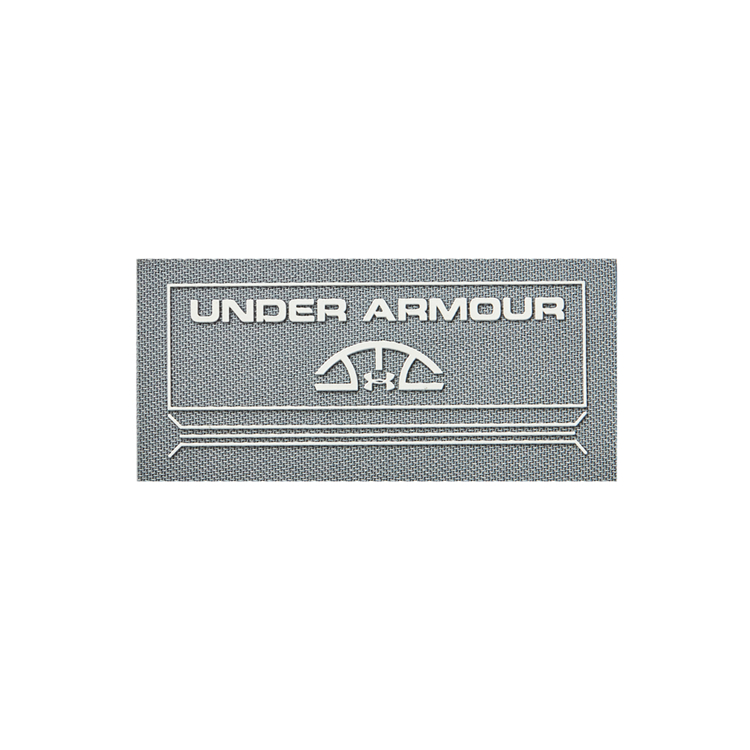
4. Overlooking Design Complexity: Balancing Aesthetics and Functionality
Intricate designs with sharp angles, fine lines, or excessive layers are prone to peeling if not engineered for HTV.
Why It Fails:
- Small details (e.g., text under 12pt) lack sufficient adhesive surface area.
- Overlapping layers trap air, creating weak points.
Solution:
- Simplify designs by merging overlapping elements or thickening narrow lines.
- Use vector-based software (e.g., Adobe Illustrator) to ensure clean edges and scalable paths.
- For multi-color designs, opt for layered HTV with proper weeding techniques to eliminate air pockets.
Expert Strategy: Partner with designers who specialize in HTV-friendly layouts—this niche expertise prevents costly reprints.
5. Neglecting Post-Application Care: The Final Step to Longevity
Even a perfectly applied decal can fail if customers don’t follow care instructions.
Why It Fails:
- Washing garments inside-out or with abrasive detergents wears down the vinyl.
- High-heat drying causes adhesive breakdown.
Solution:
- Provide clear care guidelines with every order (e.g., wash cold, air dry, avoid bleach).
- Offer aftercare kits with gentle detergents or fabric sprays to maintain decal integrity.
- Educate clients on the importance of turning garments inside-out during washing—a simple step that doubles decal lifespan.
Unique Value Add: Brands that include QR codes linking to video tutorials on garment care see higher customer compliance and satisfaction.
When confronted with the task of producing intricate design drafts of the highest quality, PEPHAWK is here to provide the perfect solution. With over 16 years of industry experience and our esteemed general manager boasting 31 years of expertise in the silicone industry, we are the ultimate choice for tackling your challenging logo design projects. Select PEPHAWK for our unmatched proficiency and rest assured in the impeccable outcomes we consistently deliver.
3 Design Headaches You Can Instantly Eliminate: How to Get Perfect Custom Stickers for Shirts with Zero Stress
7 Costly Mistakes to Avoid with Custom Shirt Decals: Here's How to Guarantee a Professional Finish Every Time



