The Art of Heat Transfer Logos: A Comprehensive Guide
Create a strong brand identity with our heat transfer custom logos. Our expert designs are perfect for any merchandise, ensuring quality and style.
Heat transfer logos have revolutionized the world of custom apparel, offering a versatile and cost-effective way to add personalized designs to clothing. Whether you're a small business owner looking to brand uniforms or a hobbyist creating one-of-a-kind gifts, understanding this technology can unlock endless possibilities. Let’s dive deeper into what heat transfer logos mean, their advantages, types, and tips for success.
Understanding Heat Transfer Logos
Heat transfer logos involve printing a design onto specialized paper or vinyl and then using a heat press machine to apply it to fabric. This method is ideal for both small and large orders, making it a favorite among businesses and DIY enthusiasts alike. By combining advanced printing techniques with precise application methods, heat transfers deliver vibrant, long-lasting results that enhance any garment.
The process begins with designing your logo or artwork. Once finalized, the design is printed onto heat transfer material, which is then pressed onto the fabric under controlled heat and pressure. The result? A professionally finished piece that stands out.
Can You Print a Logo on a Shirt?
Absolutely! Printing a logo on a shirt with a heat press is straightforward and achievable even for beginners. Here's a step-by-step guide:
-
Design Your Logo : Use graphic design software or online tools to create or customize your logo. Vector formats (like SVG or AI) are recommended for sharp, scalable designs.
-
Print the Logo : Choose high-quality heat transfer paper or vinyl and print your design. For professional-grade prints, consider outsourcing to a reputable printing service.
-
Prepare the Shirt : Lay the garment flat on the heat press machine, ensuring there are no wrinkles or creases.
-
Heat Press the Logo : Place the printed design face down on the shirt, cover it with a protective sheet, and apply heat and pressure according to the manufacturer’s guidelines.
-
Peel and Finish : After cooling, gently peel off the backing paper to reveal your custom logo.
For more detailed instructions and premium supplies, explore resources like DTF Transfers by Size.
Advantages of Heat Transfer Logos
Heat transfer logos offer numerous benefits that make them an attractive option for various applications:
- High Quality : Designs remain bright and vivid over time, resisting fading and peeling.
- Versatility : Compatible with a wide range of fabrics, including cotton, polyester, and blends.
- Efficiency : Suitable for both small batches and bulk production, catering to diverse needs.
- Customization : Supports intricate, multi-color designs, enabling limitless creativity.
These advantages make heat transfer logos an excellent choice for businesses, entrepreneurs, and hobbyists alike.
Types of Heat Transfer Logos
Different methods cater to varying design requirements and fabric types. Below are three popular options:
1. Heat Transfer Vinyl (HTV)
HTV involves cutting vinyl sheets into desired shapes and applying them to fabric using a heat press. Best suited for simple, single-color designs, HTV offers affordability and ease of use.
2. DTF Logo Printing
Direct-to-film (DTF) printing creates detailed, multi-color logos by transferring designs from a special film onto fabric. Ideal for complex graphics, DTF delivers stunning results with vibrant colors and fine details.
3. Sublimation
Sublimation dyes the fabric directly, producing permanent, fade-resistant designs. Perfect for polyester garments, this method ensures longevity and color accuracy.
Choosing the right technique depends on factors such as design complexity, fabric type, and quantity required.
Choosing the Best Heat Press Logo Method
Selecting the optimal heat transfer method requires careful consideration of several variables:
-
Fabric Type : For cotton or blended fabrics, HTV or DTF works well. Polyester garments benefit most from sublimation due to its dye-binding properties.
-
Design Complexity : Simple logos with fewer colors suit HTV, while elaborate, multi-colored designs require DTF printing.
-
Production Volume : Small runs may favor HTV for its simplicity, whereas larger orders might lean toward DTF or sublimation for efficiency.
By matching the method to your specific needs, you ensure the best possible outcome.
Tips for Successful Heat Transfer Logo Printing
To achieve professional results, follow these essential tips:
-
Use High-Quality Materials : Invest in top-notch heat transfer paper, vinyl, and a reliable heat press machine. Inferior materials compromise the final product.
-
Follow Manufacturer Instructions : Each material and machine has unique specifications. Adhering to these ensures proper adhesion and durability.
-
Test on Samples : Before committing to a full batch, conduct tests on sample fabrics. This helps identify potential issues and refine your process.
-
Maintain Equipment : Regularly clean and calibrate your heat press machine to guarantee consistent performance.
My Perspective: Maximizing the Potential of Heat Transfer Logos
As someone passionate about customization and innovation, I believe heat transfer logos represent a powerful tool for transforming ordinary garments into extraordinary pieces. Their adaptability, combined with advancements in technology, opens doors to creative expression and business opportunities.
However, it's important to recognize the limitations of each method. While HTV excels at simplicity, it falls short when handling intricate designs. Similarly, sublimation shines on polyester but isn't suitable for natural fibers. By understanding these nuances, users can leverage the strengths of each technique effectively.
Moreover, sustainability should not be overlooked. As eco-consciousness grows, exploring environmentally friendly materials and practices becomes increasingly relevant. Brands embracing green initiatives can differentiate themselves in today's competitive market.
Conclusion: Embrace the Future of Custom Apparel
Heat transfer logos provide an accessible pathway to creating custom, high-quality apparel. Whether you're branding uniforms, crafting promotional items, or designing personalized gifts, mastering this technique empowers you to deliver impressive results. Armed with knowledge of the different methods, materials, and best practices, you're ready to embark on your customization journey.
Ready to take the next step? Explore premium DTF transfers and other innovative solutions at DTF Transfers by Size. Transform your ideas into reality and leave a lasting impression with heat transfer logos!
When confronted with the task of producing intricate design drafts of the highest quality, PEPHAWK is here to provide the perfect solution. With over 16 years of industry experience and our esteemed general manager boasting 31 years of expertise in the silicone industry, we are the ultimate choice for tackling your challenging logo design projects. Select PEPHAWK for our unmatched proficiency and rest assured in the impeccable outcomes we consistently deliver.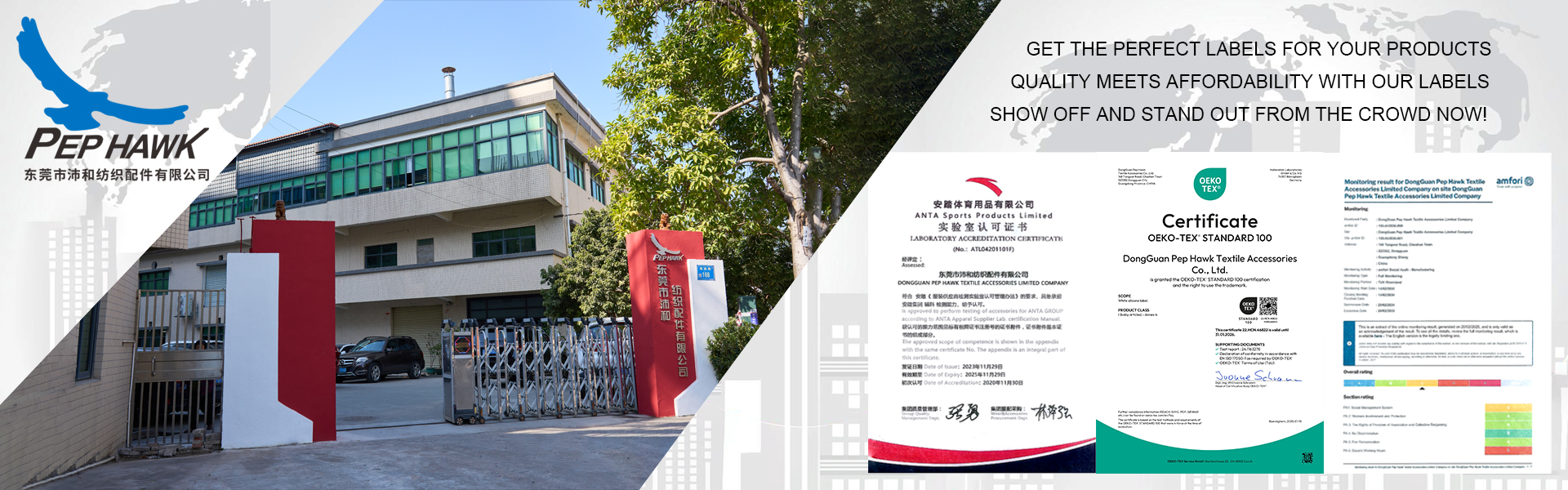
Elevating Fashion with Silicone Printing: A Game-Changing Technique
Unveiling the Power of Silicone and TPU Heat Transfer Labels in Fashion Design