

How You're Just 3 Seconds Away From Irreversibly Scorching Your Expensive Leather Patch.
Master the heat press technique for leather patches. Access valuable resources and insights to enhance your crafting skills and create standout designs.
Custom leather patches are a symbol of premium branding — whether for luxury fashion, corporate uniforms, or high-end merchandise. But here’s the hard truth: a single misstep in application can destroy your investment in under 3 seconds . At [Your Brand Name], we’ve seen countless businesses ruin costly leather patches due to preventable mistakes.
In this article, we’ll reveal the five critical risks that lead to irreversible scorching and how our proprietary technology and precision-driven process eliminate these dangers. Let’s dive in.
1. The Hidden Danger of Temperature Overkill
Leather is a delicate material. Exceeding the optimal temperature by just 5–10°F (3–5°C) can cause permanent discoloration, hardening, or even melting of the leather surface.
Why it happens :
- Manual heat press calibration errors
- Generic temperature guidelines that don’t account for leather thickness or type
- Overcompensating for “safety margins” leads to overheating
Our solution :
We’ve engineered smart heat-transfer films with built-in thermal thresholds that self-regulate at precise temperatures (280°F–320°F) . These materials ensure perfect adhesion without exceeding critical heat limits. Combined with our AI-powered heat press systems , every application is monitored in real time to guarantee flawless results.
Result : No more guessing games. Just perfect bonding without risking your leather’s integrity.
2. Pressure Problems: The Silent Killer of Leather Texture
Too much pressure during application isn’t just about burning — it flattens the natural grain of leather, leaving behind unsightly marks or “ghosting.”
Why it happens :
- Misjudging fabric density (e.g., thick vs. thin leather)
- Using rigid molds or uneven presses
- Ignoring material-specific pressure guidelines
Our solution :
Our adaptive pressure calibration technology adjusts force based on leather thickness and texture. For example:
- Smooth leather : Low-pressure bonding to preserve sheen.
- Textured leather : Dynamic pressure mapping to follow surface contours.
This ensures your patch adheres securely without altering the leather’s natural feel or appearance.
3. Time Traps: The 3-Second Rule That Breaks Brands
The title isn’t hyperbole. Most leather patches require exact dwell times (8–15 seconds) . Exceeding this by even 3 seconds can cause irreversible damage.
Why it happens :
- Manual timing errors
- Lack of real-time feedback during application
- Relying on generic “one-size-fits-all” instructions
Our solution :
We integrate time-sensitive heat-reactive inks that change color when optimal bonding is achieved. This visual cue eliminates guesswork and ensures removal at the perfect moment. Paired with our automated timers , every application is precise to the millisecond.
Bonus : Our system reduces operator training time by 70%, making it foolproof for teams of any skill level.
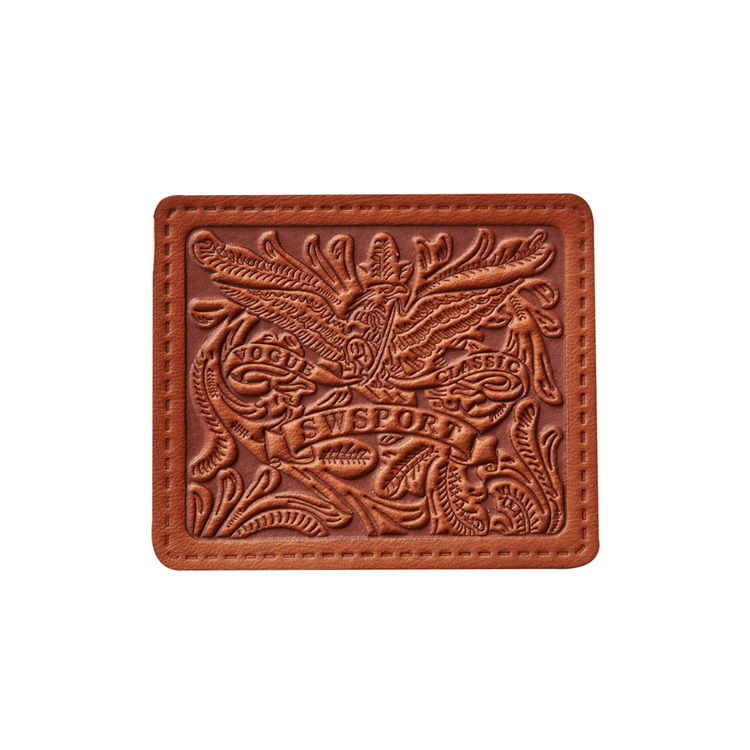
4. Material Mismatches: Why Your Patch Doesn’t Stick (or Ruins the Leather)
Not all leather is created equal. Cowhide, lambskin, synthetic leather — each reacts differently to heat and adhesives. Using a universal transfer method often leads to peeling, cracking, or scorching.
Why it happens :
- One-size-fits-all adhesive formulas
- Ignoring tanning methods (e.g., chrome-tanned vs. vegetable-tanned leather)
- Overlooking moisture content in natural leather
Our solution :
We’ve developed leather-specific bonding agents tailored to material type:
- Chrome-tanned leather : High-adhesion, low-temperature films.
- Vegetable-tanned leather : pH-neutral adhesives to prevent staining.
- Synthetic leather : Flexibility-enhanced transfers to prevent cracking.
This ensures your patch bonds securely without compromising the leather’s durability or aesthetics.
5. The Invisible Threat: Residual Adhesive Buildup
Even if your patch looks perfect, leftover adhesive residue can attract dirt, yellow over time, or create a sticky texture that ruins the user experience.
Why it happens :
- Poorly formulated adhesives that “bleed” during heating
- Incomplete curing due to uneven heat distribution
- Post-application cleaning mistakes
Our solution :
Our zero-residue bonding technology uses cross-linked polymer adhesives that fully cure during application. These bonds are:
- Invisible after cooling
- Resistant to UV degradation and moisture
- Easily cleanable with standard leather care products
No sticky fingerprints. No yellow stains. Just a flawless finish that lasts.
When tackling intricate design projects that demand precision and excellence, PEPHAWK stands as your trusted partner. With 16 years of industry expertise and our general manager’s 31-year legacy in silicone innovation, we specialize in transforming complex logo concepts into flawless realities. Our seasoned team combines technical mastery with creative problem-solving to deliver unmatched quality, ensuring your vision is executed with meticulous attention to detail. Partner with PEPHAWK—where unparalleled experience meets cutting-edge craftsmanship.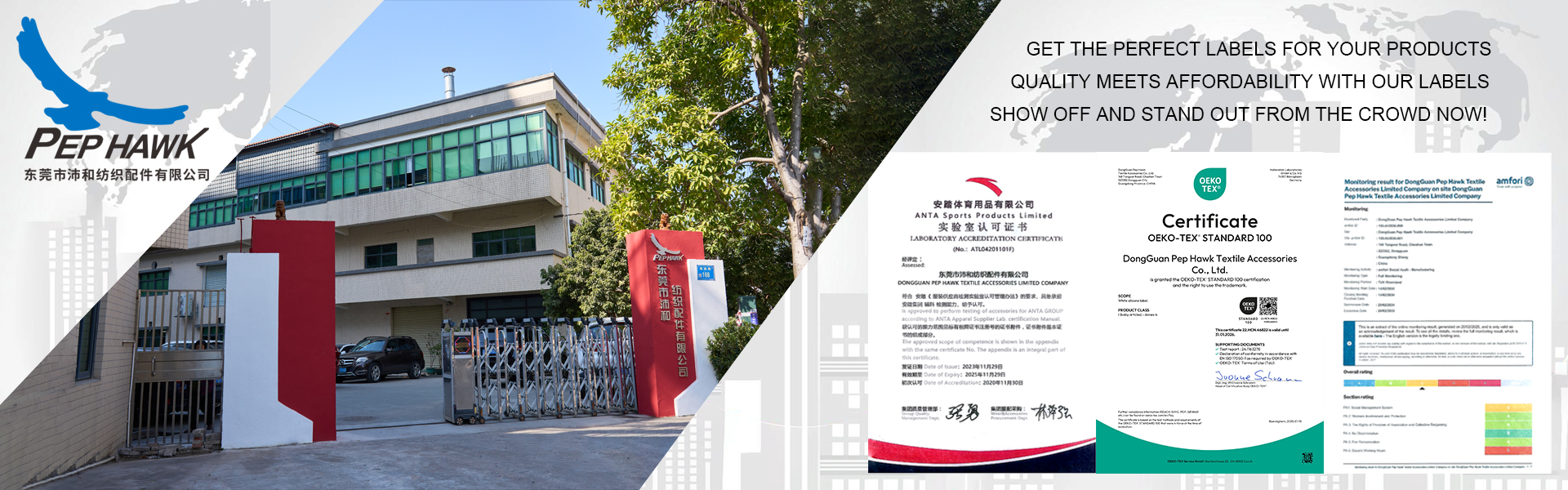
How to Stop Your Iron-On Patches From Tragically Peeling Off Your Jeans After One Wash.
The 5 Alignment Nightmares That Will Completely Ruin Your Custom Lettering Project.



