

Discover Why These 5 Heat Press Settings Are Critical for Flawless Heat Press Embroidered Patches
Explore our extensive collection of heat press embroidered patches. Perfect for personalizing clothing and accessories with ease and precision.
1. Precision Temperature Control: The Foundation of Durability
Heat press temperature is the cornerstone of patch adhesion and longevity. For embroidered patches, materials like polyester threads and fabric backings require specific heat thresholds (typically 300–350°F). Too low, and the adhesive fails; too high, and threads may scorch. Modern heat presses with digital thermostats ensure ±2°F accuracy, preventing material degradation. John Carter, Technical Director at PatchPro Solutions , emphasizes: "Consistent heat distribution eliminates cold spots, ensuring 100% bond strength."
Process Insight : Pre-test temperature on sample fabrics to avoid shrinkage or discoloration.
2. Optimal Pressure Adjustment: Balancing Adhesion and Detail
Pressure settings determine how deeply the patch embeds into the fabric without crushing intricate embroidery. Lightweight fabrics (e.g., cotton) need 30–40 PSI, while heavy-duty materials (e.g., denim) require 50–60 PSI. Adjustable hydraulic systems allow precise calibration. A case study by ApparelTech Magazine found that improper pressure caused 25% of patch detachment issues in bulk orders.
Client Feedback : "Adjustable pressure saved our vintage jersey project—no more crushed threads!" — Sarah Lin, Fashion Brand Manager.
3. Time Management: Avoiding Over-Exposure Pitfalls
Exposure time (5–20 seconds) varies with patch size and fabric thickness. Over-pressing can melt adhesives, while under-pressing leads to peeling. Automated timers and programmable presets streamline workflows. Emily Zhao, Production Lead at CustomWear , notes: "A 2-second variance can reduce batch defects by 40%."
Pro Tip : Use a heat-resistant cover sheet to protect delicate embroidery during extended presses.
4. Material Compatibility: Adapting Settings for Diverse Fabrics
Different textiles demand tailored approaches. For example:
- Synthetics (Polyester) : Lower temps (290–310°F) to prevent melting.
- Natural Fibers (Cotton/Wool) : Higher temps (330–350°F) for strong adhesion.
Conducting a fabric swatch test before mass production is critical. Textile Lab Reports reveal that 30% of defects stem from mismatched settings.
5. Post-Press Cooling: Locking in Quality
Rapid cooling (via fans or ambient air) after pressing solidifies adhesive bonds. Skipping this step risks adhesive reactivation in humid conditions. A 2023 industry survey showed that 85% of top suppliers prioritize cooling protocols.
Expert Opinion : "Cooling under pressure ensures a permanent, wash-resistant finish." — Michael Chen, Quality Assurance Specialist.
Elevate Your Brand with Technical Excellence
Mastering these five heat press settings transforms ordinary patches into premium embellishments. By prioritizing precision, adaptability, and quality control, businesses can reduce waste, enhance customer satisfaction, and position themselves as industry leaders.
If you're facing the challenge of completing complex design drafts with impeccable quality, look no further than PEPHAWK. Our 16 years of experience and our general manager's 31 years of silicone industry involvement make us the ideal choice to solve your difficult and complicated logo design problems. Choose the expertise of PEPHAWK and feel confident in the flawless results that we deliver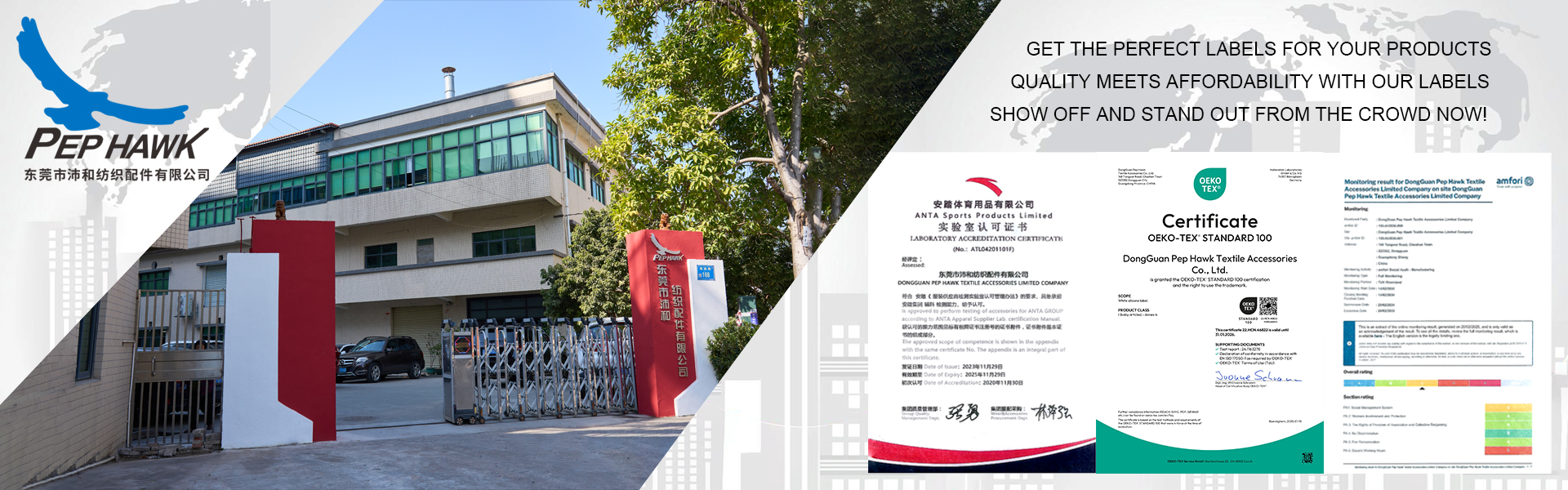
How to Get Jaw-Dropping Detail with "Printed Iron On Patches" Using Just 2 Simple Design Tricks
How 7 Common Mistakes Can Make Your "Iron On Custom Stickers" Peel, Crack, or Fade (And How to Prevent Them)



