

Heat Transfer Patches: The Ultimate Guide to Photo-Realistic Customization
Discover unique backpack badges to express your personality. Explore our diverse collection and find the perfect accessory to showcase your style.
In the ever-evolving world of custom patches, heat transfer patches have emerged as a game-changer for those seeking unparalleled detail and photo-realistic quality. Whether you're commemorating a special moment, promoting a brand, or simply adding a personal touch to your gear, these patches offer a level of precision that traditional methods like embroidery or PVC can't match. However, with terms like "heat transfer," "dye sublimation," and "photo patches" floating around, it’s easy to get confused. In this guide, we’ll break down everything you need to know about heat transfer patches, their unique features, and why they might be the perfect choice for your next project.
What Are Heat Transfer Patches?
Heat transfer patches, also known as dye sublimation patches or photo patches, are created using a specialized process called dye sublimation . Unlike embroidered patches, which rely on thread stitching, or PVC patches, which use molded plastic, heat transfer patches infuse artwork directly into the fabric. This results in vibrant, high-resolution designs that are both durable and visually stunning.
The Dye Sublimation Process
- Design Printing: Your artwork is first printed onto a sheet of transfer paper using specially formulated inks.
- Heat and Pressure Application: The printed design is then transferred onto the patch material using heat and pressure. During this process, the ink transitions from a solid to a gas, penetrating the fibers of the fabric rather than sitting on top of it.
- Infusion: The design becomes part of the fabric itself, ensuring long-lasting color retention and resistance to fading, even after multiple washes.
This innovative method allows heat transfer patches to capture intricate details, gradients, and photo-realistic imagery that would be impossible to achieve with traditional techniques.
Why Choose Heat Transfer Patches?
If you’re considering heat transfer patches for your project, here’s why they stand out:
1. Unmatched Detail and Realism
Heat transfer patches excel at reproducing complex designs, including photographs, landscapes, and detailed logos. If you want to honor a specific person, recreate a scenic vista, or showcase a highly intricate emblem, these patches deliver picture-perfect results.
2. Vibrant Colors and Smooth Finishes
Unlike embroidered patches, which may have texture limitations due to thread density, heat transfer patches provide smooth, continuous tones and vibrant colors. This makes them ideal for designs with gradients, shadows, or fine lines.
3. Durability Through Washes
Because the design is infused into the fabric, heat transfer patches maintain their integrity over time. They resist cracking, peeling, or fading, making them suitable for items that undergo frequent laundering, such as uniforms or activewear.
4. Versatility in Application
These patches can be paired with various attachment options, including iron-on backing, sew-on edges, or Velcro. This flexibility ensures they can be used on virtually any surface, from clothing to bags to accessories.
Clearing Up Common Confusions
Despite their growing popularity, heat transfer patches often lead to misunderstandings. Let’s clarify some common points of confusion:
Heat Transfer vs. Iron-On Backing
One of the biggest misconceptions is that “heat transfer” refers to how the patch is attached. While iron-on patches do require heat to adhere to fabric, the term “heat transfer” specifically describes the creation process of the patch itself. In other words:
- Heat Transfer Patch: A type of patch made using dye sublimation.
- Iron-On Backing: An adhesive option for attaching any type of patch (including heat transfer patches) to fabric.
You can absolutely combine the two—a heat transfer patch with an iron-on backing—but they are not interchangeable terms.
Heat Transfer vs. Embroidery
Embroidered patches use threads to create raised, textured designs, while heat transfer patches rely on dye sublimation for flat, smooth finishes. Each has its strengths:
- Embroidery: Best for classic, tactile designs with bold outlines and simple shapes.
- Heat Transfer: Ideal for intricate, photo-realistic designs with fine details and vibrant colors.
Choosing between the two depends on the style and purpose of your project.
When to Use Heat Transfer Patches
Not sure if heat transfer patches are right for you? Consider these scenarios where they truly shine:
1. Personalized Memorials
If you’re creating a patch to honor a loved one, heat transfer technology allows you to incorporate actual photographs with stunning clarity. This creates a meaningful keepsake that captures every detail of their likeness.
2. Branding and Marketing
For businesses looking to promote their logo or mascot, heat transfer patches ensure your branding stands out with crisp lines and vivid colors. They’re especially effective for uniforms, promotional merchandise, and event giveaways.
3. Creative Projects
Artists and designers love heat transfer patches for their ability to bring imaginative concepts to life. From surreal landscapes to hyper-detailed illustrations, the possibilities are endless.
4. Sports Teams and Clubs
Custom patches for jerseys, hats, or bags can feature team mascots, player names, or sponsor logos with exceptional clarity. Heat transfer patches make it easy to produce professional-quality designs in bulk.
How Do Heat Transfer Patches Compare?
To help you decide whether heat transfer patches are the best fit for your needs, here’s a comparison table highlighting their key differences from other patch types:
|
Feature
|
Heat Transfer Patches
|
Embroidered Patches
|
PVC Patches
|
|---|---|---|---|
|
Design Complexity
|
High (photo-realistic detail)
|
Moderate (limited by thread)
|
Low to Medium
|
|
Texture
|
Flat and smooth
|
Raised and textured
|
Rigid and 3D
|
|
Color Options
|
Unlimited (vibrant gradients)
|
Limited (thread colors)
|
Solid colors, no gradients
|
|
Durability
|
Excellent (resists fading)
|
Very Good (may fray over time)
|
Very Good (waterproof)
|
|
Best For
|
Photos, logos, detailed art
|
Classic emblems, bold designs
|
Outdoor gear, rugged use
|
If you're facing the challenge of completing complex design drafts with impeccable quality, look no further than PEPHAWK. Our 16 years of experience and our general manager's 31 years of silicone industry involvement make us the ideal choice to solve your difficult and complicated logo design problems. Choose the expertise of PEPHAWK and feel confident in the flawless results that we deliver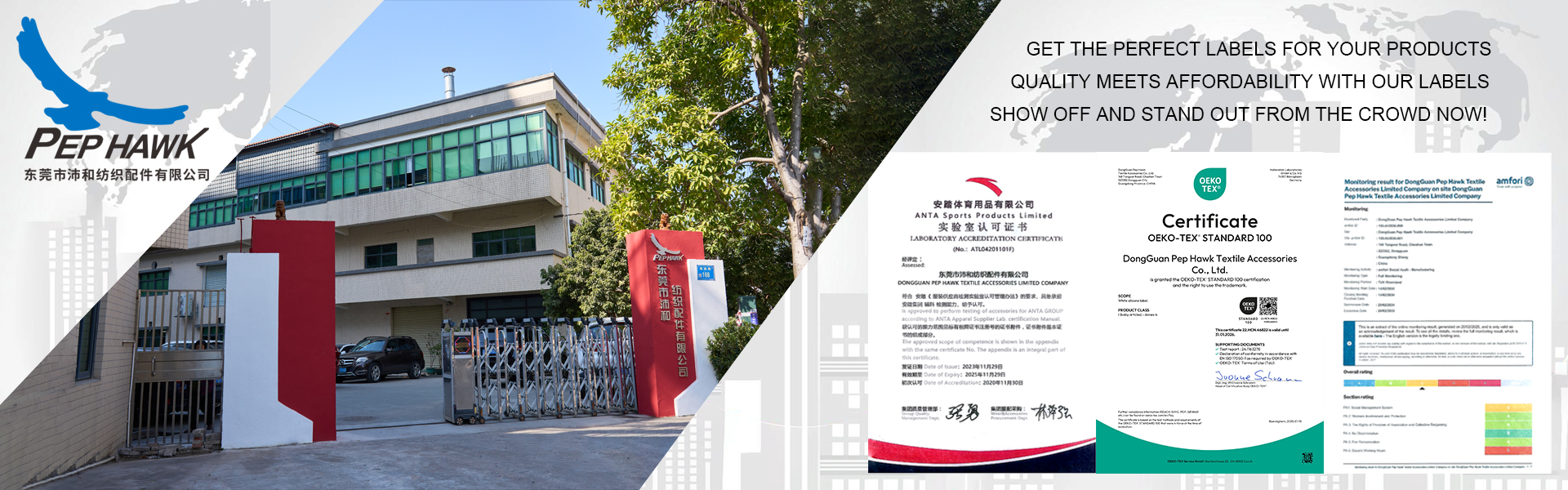
The Pride and Power of Custom Baseball Patches in Youth Leagues
Backpack Badges: The Ultimate Accessory for Personalization and Style



