

Hat With Patches Elevate Everyday Headwear With Custom Style
2026-06-23
Table of Contents
Hat with patches stands as one of the most versatile and customizable headwear options on the modern market.
These hats combine functional everyday wear with bold visual identity, making them a staple for streetwear, outdoor activities, team uniforms, brand promotions, and personal style expression. Each patch adds a distinct layer of character to the base hat, transforming a plain cap into a statement piece that carries logos, slogans, artwork, or symbolic designs with precision and durability.
The range of hat with patches extends across multiple hat silhouettes and patch technologies. From classic six-panel baseball caps to breathable trucker hats, cozy winter beanies, and wide-brim bucket hats, every style accepts patch decoration in different sizes, placements, and attachment methods. Manufacturers produce these hats using specialized fabrication techniques that ensure patches sit flat, adhere securely, and maintain their appearance through years of regular use and washing.
Core Hat Styles Built For Patches
Different hat silhouettes create different canvases for patch application. Each style carries specific structural properties that determine ideal patch size, placement, and attachment method.
Baseball Cap With Patches
The six-panel structured baseball cap remains the most popular base for hat with patches. The flat front panel provides a uniform surface centered above the brim, perfectly sized for a single statement patch or a combination of smaller accent patches. Most baseball caps use a mid-profile crown with a curved visor, creating balanced proportions that complement 2.5 to 3-inch front patches.
Constructed typically from cotton twill, brushed cotton, or polyester blends, baseball caps accept all major patch types. The dense fabric holds sew-on stitching firmly and distributes heat evenly during iron-on application. Side panels and the back above the closure also accommodate smaller secondary patches, allowing for multi-location branding or decorative arrangements.
Trucker Hat With Patches
Trucker hats feature a solid front panel and breathable mesh back, creating a two-material construction that works exceptionally well with patches. The front panel usually measures taller and wider than standard baseball caps, accepting larger patch sizes up to 3.5 inches wide. Foam-front trucker hats provide an especially smooth surface that makes leather and PVC patches appear crisp and raised.
The mesh back section of trucker hats does not support direct patch application due to its open structure, so all decorative patches concentrate on the front panel and occasionally the side solid panels. Snapback closures at the back allow one-size-fits-most adjustability, making trucker hats with patches popular for event merchandise, outdoor brands, and retail collections.
Beanie Hat With Patches
Knit beanies bring patch decoration into cold-weather wear. Most beanie hat with patches place a rectangular or rounded patch low on the folded cuff, where the fabric lies flat and double-layered for secure attachment. Acrylic and wool-blend beanies require careful application, as high heat can damage knit fibers, so sew-on or adhesive-backed patches work better than standard iron-on styles.
Patch sizes for beanies run smaller, typically between 2 and 2.75 inches wide, to match the narrower cuff surface. Leather patches and woven patches appear most frequently on beanies, as their thin, flexible construction follows the gentle curve of the knit without stiffening the fabric. Cuffed fisherman beanies and slouchy styles both support patch placement, each creating a slightly different aesthetic.
Bucket Hat With Patches
Bucket hats offer a wider, more rounded front surface that accommodates both centered patches and scattered patch arrangements. The relatively soft crown structure works best with lightweight patch types such as woven, thin embroidered, or heat transfer patches. Heavy PVC or thick 3D embroidered patches can weigh down the fabric and cause warping over time.
Patch placement on bucket hats usually sits on the front upper crown, positioned high enough to remain visible when worn. Side patches and brim patches also appear on fashion-focused bucket hat with patches, creating a layered, collage-style look popular in streetwear and festival fashion.
Patch Type Specifications And Performance
Every hat with patches relies on the patch itself to deliver visual impact and long-term durability. Multiple patch technologies exist, each with distinct material properties, visual characteristics, and ideal use cases.
Embroidered Patches
Embroidered patches represent the most traditional and widely used option for hat decoration. Constructed from stitched thread layered over a twill fabric base, these patches create a textured, tactile surface with rich color depth. Standard embroidered patches support up to 15 thread colors per design and work with both merrowed borders and hot-cut laser edges.
Thread density affects both appearance and weight. Standard 75% coverage works for most logo designs, while 100% full-embroidery patches eliminate visible backing fabric for a premium finish. 3D puff embroidery adds a foam underlayer that raises select elements 2 to 3 millimeters off the surface, creating a dimensional effect that works especially well with bold block lettering and simple shapes.
PVC Patches
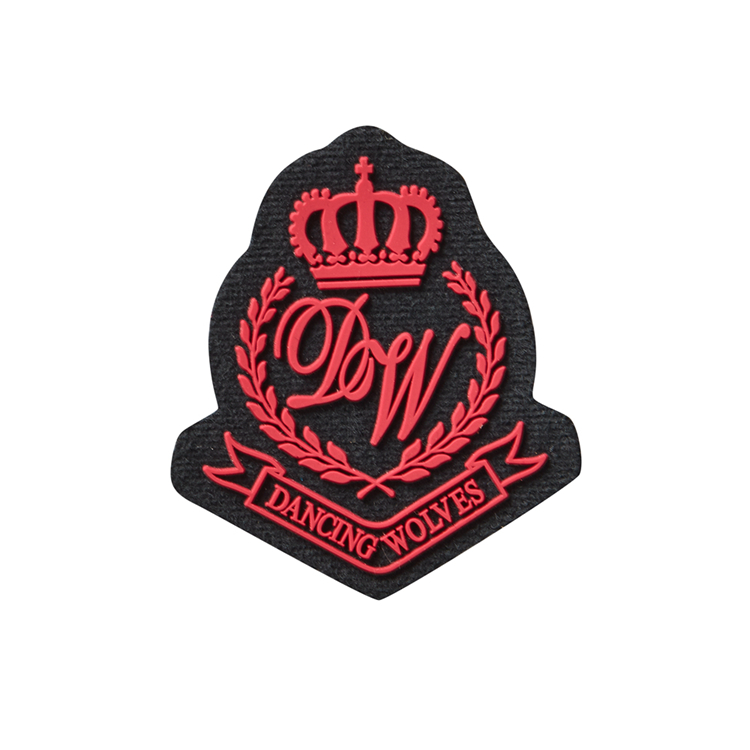
PVC patches form from soft, flexible polyvinyl chloride material molded into precise 2D or 3D shapes. These rubber-like patches offer complete water resistance, UV stability, and extreme durability, making them the top choice for outdoor and tactical hat with patches. Colors integrate directly into the material during molding, so designs never fade, fray, or peel.
Molded PVC patches can include recessed areas, raised borders, and textured surfaces that add tactile interest. Standard thickness ranges from 1.5mm for flat designs to 3mm for heavily 3D styles. Backing options include iron-on heat seal, sew-on channels, and hook-and-loop fasteners. PVC patches hold their shape perfectly on curved hat surfaces and maintain flexibility in both hot and cold temperatures.
Leather Patches
Leather patches bring a premium, rustic aesthetic to hat with patches. Available in genuine full-grain leather, top-grain leather, and high-quality faux leather variants, these patches receive designs through laser engraving, debossing, or foil stamping. The natural material variations give each patch subtle unique character.
Round and rectangular shapes dominate leather hat patch designs, typically sized between 2.5 and 3 inches for front panel placement. Laser engraving burns the design into the leather surface for a permanent, tone-on-tone look. Debossed designs press the pattern into the material without cutting through, creating a subtle textured effect. Leather patches attach most commonly by sewing around the perimeter, though adhesive and iron-on backings work for lighter-duty applications.
Woven Patches
Woven patches use tightly interlaced threads rather than stitched embroidery to create designs. This production method achieves extremely fine detail, small text, and smooth gradient transitions that embroidery cannot replicate. The thin, flat profile of woven patches sits close to the hat surface without adding bulk.
Polyester threads form the base of most woven patches, available in both damask and satin weaves. Merrowed borders finish the edges neatly. Because of their thin construction, woven patches work well on low-profile hats, beanies, and any hat with patches where minimal thickness matters. They also bend easily to follow curved crown shapes without warping.
Chenille Patches
Chenille patches feature soft, fuzzy yarn construction that creates a plush, vintage varsity aesthetic. The thick, raised texture stands out dramatically against flat hat fabric, making these patches popular for retro-inspired designs and statement pieces. Chenille works best with large, simple shapes and bold outlines, as fine details lose definition in the fuzzy yarn.
Most chenille hat patches combine chenille fill with a tight chain-stitch outline for definition. Felt backing provides structural support. Due to their thickness and weight, chenille patches attach most securely by sewing and work best on structured hats with rigid front panels. They appear less frequently on lightweight or flexible hat styles.
Product Parameter Tables
Hat Style And Patch Compatibility Reference
|
Hat Style
|
Front Panel Material
|
Ideal Patch Size Range
|
Recommended Patch Types
|
Standard Placement
|
|
Six-Panel Baseball Cap
|
Cotton twill / brushed cotton
|
2.25 – 3.0 inches
|
Embroidered, PVC, leather, woven
|
Center front above brim
|
|
Trucker Hat (Foam Front)
|
Polyester foam + mesh back
|
2.5 – 3.5 inches
|
Leather, PVC, woven, embroidered
|
Center front panel
|
|
Low-Profile Dad Hat
|
Unstructured cotton
|
2.0 – 2.75 inches
|
Woven, thin embroidered, leather
|
Slightly off-center front
|
|
Cuffed Beanie
|
Acrylic / wool knit
|
1.75 – 2.75 inches
|
Leather, woven, PVC (thin)
|
Front center of cuff
|
|
Bucket Hat
|
Cotton / canvas / straw
|
2.0 – 3.0 inches
|
Woven, embroidered, heat transfer
|
Upper front crown
|
|
Five-Panel Camp Cap
|
Nylon / polyester
|
1.5 – 2.5 inches
|
PVC, woven, thin embroidered
|
Center front panel
|
Patch Material Technical Specifications
|
Patch Type
|
Standard Thickness
|
Typical Weight (3" size)
|
Wash Resistance
|
Temperature Range
|
Minimum Order Quantity
|
|
Standard Embroidered
|
0.8 – 1.2 mm
|
3 – 5 grams
|
50+ washes
|
-20°C to 80°C
|
50 pieces
|
|
3D Puff Embroidered
|
2.5 – 3.5 mm
|
6 – 8 grams
|
40+ washes
|
-20°C to 70°C
|
100 pieces
|
|
PVC (2D)
|
1.5 – 2.0 mm
|
4 – 6 grams
|
100+ washes
|
-30°C to 90°C
|
100 pieces
|
|
PVC (3D Molded)
|
2.5 – 3.0 mm
|
7 – 10 grams
|
100+ washes
|
-30°C to 90°C
|
200 pieces
|
|
Genuine Leather
|
1.0 – 1.5 mm
|
4 – 7 grams
|
30+ washes (spot clean preferred)
|
-20°C to 60°C
|
50 pieces
|
|
Woven (Damask)
|
0.4 – 0.6 mm
|
1.5 – 3 grams
|
60+ washes
|
-20°C to 80°C
|
100 pieces
|
|
Chenille
|
4.0 – 6.0 mm
|
10 – 15 grams
|
20+ washes (hand wash)
|
-10°C to 50°C
|
50 pieces
|
Hat Base Material And Attachment Method Compatibility
|
Hat Base Material
|
Iron-On Patch
|
Sew-On Patch
|
Adhesive Patch
|
Hook-And-Loop
|
Recommended Temperature For Iron-On
|
|
Cotton Twill
|
Excellent
|
Excellent
|
Good
|
Excellent
|
150 – 165°C
|
|
Canvas
|
Excellent
|
Excellent
|
Good
|
Excellent
|
155 – 170°C
|
|
Polyester
|
Good (low heat)
|
Excellent
|
Excellent
|
Good
|
120 – 140°C
|
|
Acrylic Knit
|
Not recommended
|
Good
|
Good
|
Fair
|
Not applicable
|
|
Wool Blend
|
Not recommended
|
Good
|
Fair
|
Fair
|
Not applicable
|
|
Nylon
|
Fair (very low heat)
|
Excellent
|
Excellent
|
Good
|
110 – 130°C
|
|
Mesh Polyester
|
Not recommended
|
Fair (solid areas only)
|
Fair
|
Not recommended
|
Not applicable
|
Standard Size And Fit Parameters
Hat with patches follows industry-standard sizing that accommodates most adult head sizes. Adjustable styles dominate the custom patch hat market, though fitted options exist for premium and athletic lines.
Adult adjustable hats typically fit head circumferences between 55 cm and 61 cm, with snapback, buckle, and Velcro closure systems providing the full range of adjustment. Fitted hats come in incremental sizes ranging from 6 3/8 (20.1 inches / 51.1 cm) up to 8 (25 inches / 63.5 cm), with each 1/8 size increment representing approximately 0.4 inches of circumference difference.
Youth and children's hat with patches scale down proportionally. Toddler sizes cover 48 to 52 cm, youth sizes cover 52 to 56 cm, and teen sizes bridge the gap between youth and adult dimensions. Patch sizes also scale accordingly, with youth hats using approximately 70 to 80 percent of the standard adult patch dimensions to maintain visual balance.
Crown height varies by style. Mid-profile baseball caps measure approximately 10 to 11 cm from brim to top button. High-profile trucker hats reach 12 to 13 cm. Low-profile dad hats sit closer to the head at 8 to 9 cm. Brim length typically falls between 7 and 7.5 cm for most curved-brim styles, while flat-brim hats measure 8 to 9 cm from edge to crown.
Construction And Durability Features
Quality hat with patches incorporates multiple construction details that extend product life and improve wearer comfort.
Reinforced stitching at all panel seams prevents fraying and maintains hat shape through repeated use. Double stitching along the brim edge and patch perimeter adds extra resistance to wear and tear. Eyelets, usually four to six per hat, provide ventilation and reduce heat buildup during extended wear.
Sweatbands line the interior forehead contact area. Cotton sweatbands offer soft, absorbent comfort, while performance polyester sweatbands wick moisture away from the skin. Premium hat with patches may include antimicrobial treatment in the sweatband to reduce odor buildup.
Patch attachment strength depends heavily on backing quality. Industrial-grade heat seal backing creates a permanent bond when applied with a heat press at correct temperature and pressure. For sew-on patches, lock-stitch sewing around the full perimeter ensures the patch remains attached even under stress. High-quality hat with patches often combines both iron-on adhesive and perimeter sewing for maximum durability.
Color fastness ranks as a critical performance metric. Both hat fabric and patch materials undergo testing for resistance to fading from UV exposure and washing. Grade-A embroidery thread and UV-stabilized PVC maintain color vibrancy for hundreds of hours of sun exposure. Pre-washed hat fabrics reduce shrinkage and color bleeding in the first few washes.
Application Scenarios And Use Cases
Hat with patches serves diverse purposes across consumer, commercial, and institutional sectors.
Brand promotion represents one of the largest applications. Companies order custom patch hats as employee uniforms, trade show giveaways, and retail merchandise. The patch creates a tangible, high-quality logo presentation that elevates perceived brand value compared to printed hats.
Sports teams and athletic programs use hat with patches for team identity. Embroidered and PVC patches withstand frequent washing and outdoor exposure, making them suitable for practice wear and game-day apparel. Teams often combine a primary front patch with smaller league or sponsor patches on the sides and back.
Outdoor and workwear brands favor durable patch options such as PVC and leather for hiking hats, fishing caps, and work uniforms. These materials resist moisture, dirt, and abrasion better than standard embroidery. Tactical and military-style hats frequently use hook-and-loop patch systems that allow wearers to swap morale patches and unit identifiers as needed.
Fashion and streetwear brands leverage hat with patches as core accessory items. Limited-edition patch designs, collaborative artist patches, and vintage-inspired patch collections drive consumer demand. The modular nature of patches allows brands to release new patch designs without producing entirely new hat styles.
Personal customization and DIY culture also drive interest in hat with patches. Consumers collect individual patches and apply them to blank hats to create unique personal pieces. Iron-on patches make at-home application accessible, while sew-on patches provide a more permanent result for dedicated hobbyists.
Care And Maintenance Guidelines
Proper care extends the life of any hat with patches and preserves patch appearance for years.
Washing requirements vary by hat and patch material combination. Most cotton and polyester patch hats withstand gentle machine washing inside out on cold settings, though hand washing produces better long-term results. Hats with leather, PVC, or chenille patches require spot cleaning only, as submersion can damage patch materials or cause adhesive failure.
Heat remains the primary risk during cleaning and drying. Machine drying can cause shrinkage, adhesive melting, and patch warping. Air drying at room temperature, away from direct sunlight, prevents these issues and maintains hat shape. Using a hat form or balled-up newspaper inside the crown during drying helps the hat retain its proper structure.
Ironing directly on the patch surface damages most patch types. If ironing the hat fabric becomes necessary, place a thin pressing cloth over the patch area and use low heat. For iron-on patches showing slight edge lift, reapplication of heat with a press cloth can reactivate the adhesive bond.
Storage conditions also affect long-term condition. Hat with patches keep best in cool, dry environments away from direct UV exposure. Stacking heavy objects on top of hats can crush crown shape and bend patch edges. Hat racks, hooks, or individual hat boxes provide the best storage solutions.
Customization And Ordering Specifications
Custom hat with patches orders follow standard production workflows with defined lead times and minimum quantities.
Standard production lead times range from 10 to 20 business days depending on patch complexity and order volume. Embroidered and woven patches typically require 10 to 15 days, while molded PVC patches need 15 to 20 days due to tooling requirements. Rush production options exist for most styles at a premium price point.
Artwork preparation affects production speed and final quality. Vector files in AI, EPS, or PDF format produce the cleanest patch results. Design files should specify Pantone color numbers for accurate color matching. Most suppliers provide digital pre-production proofs for approval before manufacturing begins, allowing customers to verify size, placement, and color accuracy.
Bulk pricing scales with order quantity. Unit costs decrease significantly as order volumes increase, with the steepest drops occurring between 50 and 500 units. Set-up fees, mold fees for PVC patches, and digitizing fees for embroidery may apply as separate one-time charges. Reorders using existing artwork and molds typically incur only per-unit production costs.
Packaging options range from bulk polybag packing to individual hang-tagged retail packaging. Custom inner boxes, header cards, and branded polybags add perceived value for retail sales. For e-commerce fulfillment, drop-shipping capabilities allow brands to send hat with patches directly to end customers without intermediate warehousing.
The broad selection of base hat styles, patch technologies, and customization options makes hat with patches a flexible solution for nearly any branding, uniform, or fashion requirement. Material advancements continue to expand design possibilities, with new patch substrates and application methods entering the market regularly. Whether ordered in bulk for corporate branding or selected individually for personal style, patch hats combine practical headwear function with enduring visual appeal that stands out in any setting.
Get Patches Made for Your Apparel Logo
Varsity Charm Letter Patch Sweatshirt Collection




SEND MESSAGE