

Hats for Patches Design Materials and Complete Specification
2026-07-02
Hats for patches represent one of the most versatile branding solutions in the apparel accessories market.
Brands, teams, and independent creators turn to patch-compatible headwear as a cost-effective way to showcase logos, slogans, and artwork without committing to permanent embroidery or printing on every single hat.
The category covers everything from structured baseball caps to beanies and bucket hats, each engineered to accept different patch types through heat transfer, sewing, or adhesive backing.
The modern market for hats designed for patch application continues to expand as custom merchandise becomes more accessible to small businesses and large corporations alike. What sets purpose-built patch hats apart from standard headwear is the reinforced front panel, stabilized fabric composition, and manufacturing tolerances that account for patch thickness, adhesive flow, and heat press compatibility. These details directly impact final product quality, durability, and wash performance.
Core Design Elements of Hats Built for Patch Application
Every hat optimized for patch placement follows specific construction principles. These design choices ensure clean application, strong adhesion, and a professional finished look across production runs of all sizes.
Reinforced Front Panel Structure
The front panel of a patch hat receives extra interfacing or buckram backing to create a rigid, flat application surface. A floppy or unstructured panel causes patch edges to lift, creates wrinkles during heat pressing, and reduces the overall professional appearance. Most structured six-panel baseball caps use a 2×2 buckram reinforcement across the front two panels, providing a stable base for patches ranging from 2 inches to 4 inches in width.
Buckram weight matters in this context. Lighter buckram works for smaller, thinner patches such as printed transfers, while heavier buckram supports thick 3D silicone or PVC patches without warping. Manufacturers typically specify buckram weight in ounces per square yard, and the value correlates directly with panel stiffness after patch application.
Seam Placement and Patch Zone Positioning
Hats engineered for patches feature carefully positioned center seams and panel divisions that accommodate standard patch dimensions. The classic six-panel cap places the vertical center seam directly in the middle of the front patch zone, which works well for split-design patches or circular emblems that sit symmetrically across the seam. Five-panel styles, by contrast, offer a single uninterrupted front panel ideal for large, wide patches with no seam interruption.
Brands often specify patch zone dimensions on technical spec sheets so customers can align artwork accordingly. Standard front patch zones measure approximately 3.5 inches wide by 2.25 inches tall for adult-sized caps. Youth sizes scale down proportionally, usually to about 3 inches wide. Side patch zones and back patch zones follow their own dimension standards, typically smaller and often curved to follow the hat contour.
Sweatband and Interior Liner Compatibility
Heat application during patch transfer can affect interior components if not properly accounted for. Quality hats for patches use sweatband materials rated for heat press exposure, typically cotton twill or polyester mesh with temperature-resistant stitching. Low-quality plastic sweatbands or foam liners can melt, warp, or release odors when heat is applied from the outside.
Interior taping along the front panel seam also prevents adhesive bleed-through during heat transfer. Some manufacturers add a thin protective film or additional fabric layer on the inside corresponding to the patch location, ensuring adhesive does not seep through to contact the wearer's forehead.
Crown Height and Profile Considerations
Crown profile influences both patch visibility and application ease. High-profile hats offer a taller front surface, accommodating larger patches and more elaborate artwork. Low-profile hats sit closer to the head and work better with smaller, subtler patches such as minimal wordmarks or small emblems. Mid-profile designs strike the most popular balance for general merchandising and team apparel.
Curvature of the crown also matters. A deeply curved crown requires a more flexible patch that can conform to the shape, while a flatter crown works well with rigid PVC or silicone patches. Buyers sourcing for 3D raised patches generally select mid to high profile hats with flatter front panels to prevent patch edges from lifting on tight curves.
Closure System Options
Closure systems affect back patch placement and overall adjustability. Snapback closures remain the most popular choice for patch hats because the plastic adjustable strip sits below the standard back patch zone, leaving a clean fabric area for logo patches. Velcro closures also work well but can collect lint and debris over time. Buckle and slider closures on strapback styles offer a premium look but reduce available back patch area.
Fitted hats with no closure provide the largest uninterrupted back panel area for patches, making them a favorite for premium streetwear and headwear brands. They require precise size grading and typically carry a higher unit cost compared to adjustable styles.
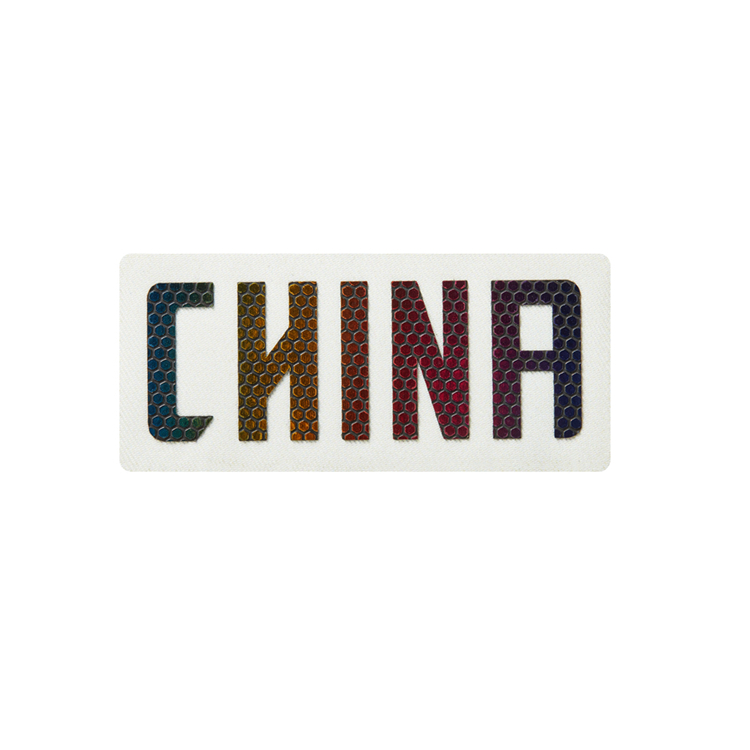
Material Options for Hats and Compatible Patch Types
The base hat material determines which patch technologies deliver the best results. Cotton, polyester, and blended fabrics each behave differently under heat, pressure, and adhesive contact.
Hat Base Fabric Varieties
|
Fabric Type
|
Common Weight
|
Best Patch Match
|
Heat Resistance
|
Typical Use Case
|
|
100% Cotton Twill
|
6–8 oz
|
Embroidery, woven, silicone
|
Medium
|
Casual retail, workwear
|
|
100% Polyester
|
4–6 oz
|
Sublimation, heat transfer, TPU
|
High
|
Performance sports, athletic teams
|
|
Cotton-Poly Blend
|
5–7 oz
|
All patch types
|
Medium-High
|
General promotion, uniforms
|
|
Acrylic Wool Blend
|
7–9 oz
|
Sew-on patches, leather
|
Low-Medium
|
Winter beanies, premium caps
|
|
Nylon Ripstop
|
3–5 oz
|
Thin TPU, printed transfers
|
High
|
Outdoor, tactical headwear
|
Cotton twill remains the industry standard for everyday patch hats. Its natural fiber structure holds stitches well for sewn patches and accepts heat-activated adhesives reliably. The main limitation is shrinkage if exposed to excessive heat during application, so temperature control is critical.
Polyester hats dominate the athletic and performance segment. Polyester handles higher heat press temperatures, resists shrinkage, and works exceptionally well with TPU and silicone patches that require strong heat activation. Sublimation patches also bond permanently to polyester at the fiber level, creating a smooth, durable finish.
Patch Material Technologies Compatible with Headwear
Available patch materials include TPU, silicone, printing ink transfers, woven fabric, embroidery, and leather. Each delivers a different look, feel, and durability profile.
TPU patches offer a thin, flexible, lightweight solution with sharp detail reproduction. Thermoplastic polyurethane melts at precise temperatures, bonding directly to hat fabric without bulky edges. TPU works well on both cotton and polyester hats, maintains flexibility after washing, and supports full-color gradient artwork. Brands looking for a sleek, modern, low-profile patch often select TPU for its smooth surface and ability to follow hat curvature.
Silicone patches provide a premium 3D raised texture with a soft rubbery finish. Silicone comes in multiple durometers from soft and flexible to firm and structural. It adheres best to polyester and blended fabrics through heat curing, creating a strong, waterproof bond. Silicone patches resist fading, stand up to repeated washing, and maintain their raised shape over years of use. They are especially popular for sportswear brands, outdoor gear, and premium headwear lines.
Printing ink transfers include screen print transfers, digital heat transfers, and discharge prints applied directly to hat panels. Ink-based solutions produce the thinnest, most integrated decoration with no raised edge at all. They work best on smooth cotton twill and blended fabrics. The primary tradeoff is that ink transfers can fade over time and may crack if the hat fabric stretches significantly. For bold, flat-color artwork produced at high volume and low cost, printing ink transfers remain highly competitive.
Woven and embroidered patches represent the traditional sewn-on option. Embroidered patches have a textured, stitched surface with a classic look, while woven patches produce finer detail at smaller sizes. Both typically sew onto the hat through all layers, creating extremely durable attachment. They can also be combined with heat seal backing for temporary or semi-permanent placement. The main limitation of sewn patches is the visible stitch line around the perimeter and the added labor cost of application.
Technical Specifications and Dimensional Parameters
Understanding standard specifications helps buyers compare suppliers, validate sample quality, and ensure consistent results across production runs.
Standard Hat Size and Patch Dimension Specifications
|
Hat Style
|
Adult Front Patch Zone
|
Youth Front Patch Zone
|
Side Patch Zone
|
Back Patch Zone
|
|
6-Panel Baseball Cap
|
3.5" W × 2.25" H
|
3.0" W × 2.0" H
|
1.5" W × 1.5" H
|
3.0" W × 1.0" H
|
|
5-Panel Trucker Cap
|
4.0" W × 2.5" H
|
3.5" W × 2.25" H
|
1.75" W × 1.75" H
|
3.5" W × 1.25" H
|
|
Dad Hat (Unstructured)
|
3.25" W × 2.0" H
|
Not standard
|
1.25" W × 1.25" H
|
2.75" W × 0.875" H
|
|
Bucket Hat
|
4.0" W × 3.0" H (front)
|
3.0" W × 2.5" H
|
2.0" W × 2.0" H
|
N/A
|
|
Beanie (Cuff Style)
|
3.0" W × 1.5" H (cuff)
|
2.5" W × 1.25" H
|
N/A
|
N/A
|
These dimensions represent the recommended maximum safe patch size for each zone. Going beyond these measurements increases the risk of patches wrapping around seams, curling at edges, or extending onto curved surfaces where adhesion weakens.
Heat Press Application Parameters
Correct application parameters directly impact bond strength and longevity. The following values represent industry-standard starting points for common patch and hat combinations.
|
Patch Type
|
Temperature
|
Pressure
|
Dwell Time
|
Peel Type
|
Recommended Hat Fabric
|
|
TPU Patch
|
320–340°F
|
Medium
|
10–15 seconds
|
Hot or warm peel
|
Polyester, cotton-poly blend
|
|
Silicone Patch
|
340–360°F
|
Medium-High
|
15–20 seconds
|
Warm peel
|
Polyester, heavy blend
|
|
Screen Print Transfer
|
320–350°F
|
Medium
|
8–12 seconds
|
Hot peel
|
Cotton, cotton-poly blend
|
|
Sublimation Patch
|
385–400°F
|
Medium
|
45–60 seconds
|
Cold peel
|
100% polyester only
|
|
Heat Seal Backing (Sewn Patch)
|
300–320°F
|
High
|
12–18 seconds
|
Cold peel
|
All fabric types
|
Temperature tolerances vary by manufacturer, so always test with sample swatches before full production. Excessive heat causes fabric scorching, adhesive bleed, and patch discoloration. Insufficient heat results in weak bonds and premature peeling after washing.
Additional Performance Parameters
-
Wash durability: Premium TPU and silicone patches rated for 50+ domestic washes at medium temperature without edge lifting
-
Cold flexibility: Silicone and TPU remain flexible down to -20°F, suitable for winter headwear
-
UV resistance: Outdoor-rated silicone and pigment-based printing inks resist fading for 2–3 years of regular sun exposure
-
Thickness range: TPU 0.2–0.6mm, silicone 0.5–3.0mm, printed transfers 0.05–0.15mm, embroidered 1.0–2.5mm
-
Minimum detail resolution: TPU 0.1mm line width, silicone 0.3mm line width, screen print 0.15mm line width
-
Adhesion strength: 15–25 N per 25mm width for properly applied heat transfer patches
Selecting the Right Hat for Your Patch Project
Choosing the correct hat style and construction depends on patch type, budget, order quantity, and end-use environment.
Volume and Cost Considerations
For large promotional orders above 500 units, cotton-poly blend six-panel snapbacks with printed or TPU patches deliver the best balance of cost and quality. These materials are widely available, application is fast and consistent, and unit pricing drops significantly at higher quantities.
For smaller premium runs under 100 units, wool blend structured caps with silicone or leather patches work well. Higher per-unit cost is offset by perceived quality and durability, making them suitable for retail resale and corporate gift programs.
Environmental and Usage Factors
Outdoor and athletic applications favor polyester hats with silicone or TPU patches. These combinations resist sweat, moisture, and UV exposure better than cotton and embroidery. They also dry quickly and maintain appearance through repeated use and washing.
Indoor and casual retail environments allow more flexibility. Cotton twill dad hats with woven or embroidered patches appeal to streetwear and lifestyle brands. Unstructured styles work best with thinner, more flexible patches because the soft crown cannot support heavy rigid patches without distorting shape.
Artwork Complexity and Patch Material Matching
Highly detailed artwork with small text and fine gradients performs best on TPU or high-resolution print transfers. Silicone handles bold shapes and 3D relief well but loses detail at very small sizes. Embroidered patches excel at bold, simple logos with limited colors but struggle with tiny text and smooth gradients.
Artwork shape also factors in. Circular and oval patches distribute stress evenly and resist edge lifting. Sharp corners and narrow points create stress concentrations that can peel first, especially on curved hat surfaces. Rounding corners by a minimum of 0.125 inches noticeably improves long-term durability.
Quality Validation and Sample Testing
Before committing to full production, validate performance through structured sample testing. A standard test protocol includes adhesion check, wash test, flexibility evaluation, and visual inspection.
Adhesion testing involves pulling at the patch edge with consistent force to verify bond strength. The patch should not lift from the fabric at normal handling force. If edges lift easily, either temperature was too low, dwell time too short, or the hat fabric has a coating incompatible with the adhesive.
Wash testing runs samples through multiple domestic wash cycles with mild detergent. Patches should show no edge lifting, no discoloration, and no adhesive migration after five to ten washes. Silicone and TPU typically outperform print transfers in wash testing, especially when washed at higher temperatures.
Visual inspection checks for consistent color match, clean edges, no bubbles under the patch surface, and proper alignment with hat seams and panel edges. Misaligned patches are one of the most common quality defects in mass production, so establishing precise placement guides early prevents costly rework.
Common Production Challenges and Solutions
Working with hats for patches presents predictable challenges that experienced manufacturers address through process controls.
Patch shifting during heat press occurs when the hat is not properly secured in the fixture. Using a hat press with a curved platen and alignment guides holds the hat steady and ensures consistent placement every time. Hand alignment without fixtures leads to variation of up to 0.25 inches between units.
Edge lifting on curved surfaces happens when rigid patches are applied to highly curved crowns. Solutions include switching to a more flexible patch material, reducing patch size, or selecting a flatter hat profile. Adding a perimeter stitch around heat-applied patches also mechanically secures edges for heavy-use items such as workwear and team uniforms.
Fabric scorch marks appear on cotton hats when temperature is too high or dwell time too long. Lowering temperature by 20°F and using a protective Teflon sheet usually resolves the issue. Polyester hats can develop shine marks from excessive pressure, which is corrected by reducing pressure and using a silicone pad inside the hat during pressing.
Adhesive bleed-through on light-colored hats results from too much heat melting adhesive beyond the patch boundary. Reducing temperature, shortening dwell time, and verifying adhesive coating weight on the patch back all prevent bleed. For white and pastel hats, testing on an identical fabric swatch before production is always recommended.
Final Selection Checklist
Before placing a production order for hats and patches, confirm the following items:
-
Hat style and profile match patch size and rigidity
-
Base fabric is compatible with the selected patch material
-
Patch dimensions fit within recommended zone boundaries
-
Application parameters match available equipment capabilities
-
Color standards are approved with physical Pantone references
-
Minimum order quantities and lead times align with project schedule
-
Testing protocol and acceptance criteria are documented
-
Packaging and labeling requirements are specified
Taking the time to verify these details at the sampling stage prevents most production issues and ensures the finished patch hats meet brand quality standards. The combination of purpose-built hat construction and matched patch technology creates a durable, professional product that performs well across promotional, retail, and uniform applications.
The market for hats for patches will continue to evolve as new materials and application methods enter the industry, but the core principles of matched materials, proper construction, and controlled application will remain the foundation of quality results.
Rubber Logo Patch for Clothing Elevate Your Apparel Brand with Durable Style
Custom Club Patches Elevate Team Identity With Durable Detail




SEND MESSAGE