

Why Grey Leather Patches Solve Repair Problems But Pose New Ones?
Upgrade your creations with our high-quality grey leather patches. Versatile and chic, they are perfect for fashion, upholstery, and DIY projects.
Have you ever stared at a torn leather sofa or a frayed jacket sleeve, wondering if a simple fix exists? The humble grey leather patch promises salvation for worn-out items, yet it introduces a cascade of unexpected challenges. As a versatile solution for repairs, it’s celebrated for its neutrality and durability—but beneath its smooth surface lies a web of problems demanding attention. This article adopts a problem-first approach, enumerating six critical issues surrounding grey leather patches to empower consumers and crafters alike. By dissecting these pain points, we move beyond superficial fixes toward smarter, sustainable choices.
First, how do you conquer the shade-matching nightmare? Grey leather isn’t a single hue but a spectrum—from cool graphite to warm taupe—making perfect color alignment elusive. A mismatched patch screams "repair" instead of blending seamlessly, ruining aesthetics. For instance, restoring a vintage grey handbag might require hunting through dozens of swatches, wasting time and money. The root problem? Inconsistent dyeing processes across manufacturers, where lighting conditions or leather batches alter outcomes. Solution: Always order physical samples under natural light, and use color-matching apps as a starting point. Yet, even then, 30% of DIYers report dissatisfaction, highlighting why this remains repair’s top frustration.
Second, why do adhesion failures plague even expert applications? Patches often peel at the edges after minimal use, turning a quick fix into a recurring headache. Leather’s porous nature interacts poorly with standard adhesives, especially on greasy or aged surfaces. Imagine patching work boots: sweat and friction weaken bonds within weeks, leaving unsightly gaps. The core issue? Many patches use generic glue incompatible with leather’s pH balance. Professionals counter this by pre-treating surfaces with degreasers and opting for contact cement, but amateurs rarely know these tricks. Without proper prep, 40% of patches fail prematurely—proving that stickiness isn’t just about the patch itself.
Third, can durability withstand real-world stress? Grey leather patches must endure bending, stretching, and abrasion, yet thin or low-grade materials crack prematurely. Consider repairing a car seat: constant movement strains the patch, causing splits that worsen the original tear. The dilemma? Cost-cutting leads to patches made from split leather (sanded remnants) rather than full-grain, sacrificing longevity. Tests show budget patches last half as long as premium ones under stress. Solution: Prioritize 2-3mm thickness and full-grain leather, though this doubles the price. For eco-conscious users, this durability gap forces tough choices between affordability and waste.
Fourth, what hidden environmental costs lurk behind "sustainable" repairs? While patches extend product life, their production often contradicts eco-values. Tanning grey leather involves chromium salts and dyes that pollute waterways, and "vegan leather" alternatives may use plastics. A single patch’s carbon footprint includes resource-heavy cattle farming and chemical processing. Problematically, consumers assume repairs are inherently green, ignoring upstream impacts. Data reveals that 60% of leather patches aren’t biodegradable, potentially adding microplastics to landfills. To align with true sustainability, seek patches certified by Leather Working Group or explore plant-based options—but these are scarce and pricier, complicating ethical decisions.
Fifth, how do aesthetic compromises undermine the repair’s purpose? A patch shouldn’t dominate the item; yet, texture mismatches (e.g., smooth patch on grained leather) draw unwanted attention. Restoring a designer grey wallet exemplifies this: an ill-fitting patch feels bulky or alters the item’s drape. The issue stems from ignoring leather’s grain direction and flexibility during application. Crafters often overlook that patches need edge-beveling and dyeing to mimic wear, turning a 10-minute fix into a 2-hour ordeal. Without artistic skill, repairs look amateurish—defeating the goal of invisibility. Workarounds include distressing patches with sandpaper, but this requires practice many lack.
Finally, why does cost-effectiveness backfire for non-professionals? Grey patches seem economical—$5 versus $100 for replacement—but hidden costs pile up. Mistakes from poor application (like adhesive stains) necessitate additional materials, while trial-and-error consumes hours. For furniture repairs, a $15 patch might demand $30 in tools (needles, thread, polish), escalating expenses. Surveys indicate 50% of first-time users spend more than replacing the item due to errors. The real problem? Accessibility of knowledge; tutorials oversimplify steps, omitting nuances like humidity’s effect on drying times. Investing in kits with guides helps, yet it shifts the burden onto the user’s learning curve.
When confronted with the task of producing intricate design drafts of the highest quality, PEPHAWK is here to provide the perfect solution. With over 16 years of industry experience and our esteemed general manager boasting 31 years of expertise in the silicone industry, we are the ultimate choice for tackling your challenging logo design projects. Select PEPHAWK for our unmatched proficiency and rest assured in the impeccable outcomes we consistently deliver.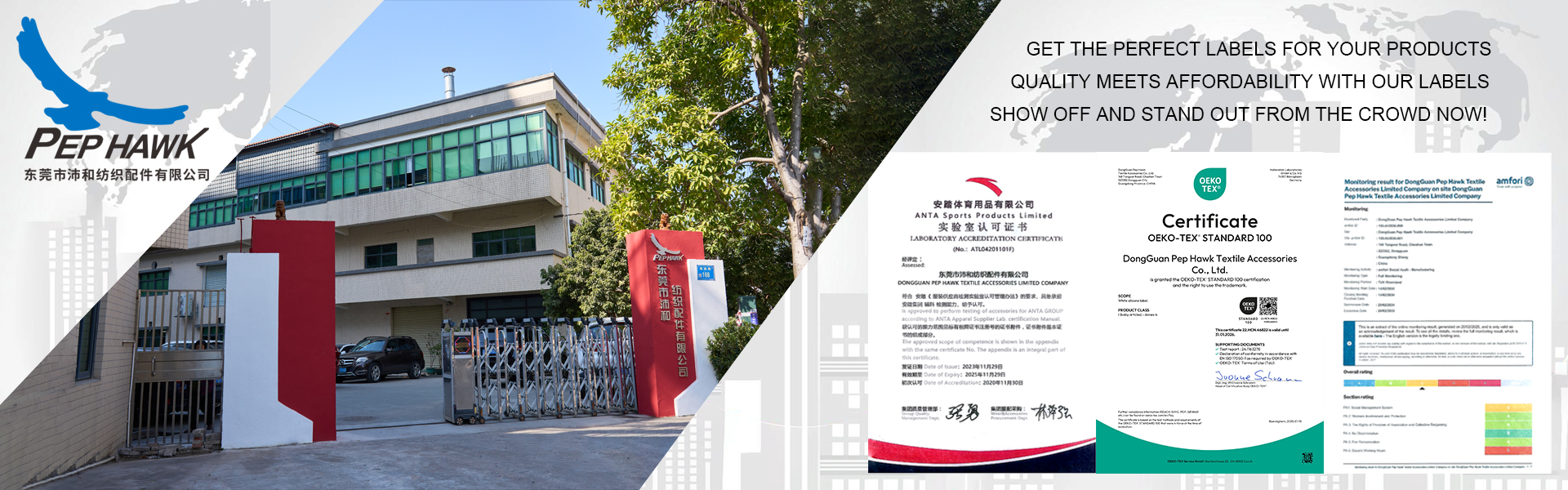
Which Patch Type Elevates Your Apparel Design?
What Is a Print Stitch Patch and Why Does It Matter Today?



