

Stop Wasting Time on Iron-On Golf Patches: The Real Way to Win
Personalize your golf gear with our vibrant iron-on patches. Simple to use and designed for durability, they make a great addition to any golfer's collection.
Understanding the Technology: What Exactly Is an Iron-On Golf Patch?
Iron-on golf patches are typically small, pre-cut pieces of synthetic material (often a durable polyester or nylon-based fabric with a heat-activated adhesive backing) designed to be applied to damaged areas of a golf club head, primarily the sole or the face (though face application is highly discouraged). The "iron-on" mechanism relies on heat (usually from a standard household iron set to a specific temperature, often with a cloth barrier) to activate the adhesive layer, bonding the patch to the club's surface. This is fundamentally a surface repair technique, not a structural one. It addresses superficial damage like scratches, scuffs, minor dents, or small chips on the non-impact surfaces of the club head (sole, heel, toe, top line).
Critical Evaluation: Performance Limitations and Material Science
The core issue with iron-on patches lies in the inherent mismatch between the patch material and the demanding environment of a golf club head. The critical data point here comes from the United States Golf Association (USGA) Equipment Rules and Maintenance Guidelines (updated 2023), which explicitly state: "Adhesive patches applied to club heads are not permissible for use in competitive play if they alter the club's performance characteristics (e.g., weight, balance, face stiffness) or are not seamlessly integrated into the club's structure." Crucially, no iron-on patch meets the USGA's stringent standards for permanent or performance-neutral repair on a competitive club face. Their adhesive, while functional for brief periods under low stress, is simply not engineered for the high-impact forces, thermal cycling, moisture exposure, and constant abrasion encountered during a round of golf.
- Adhesive Failure Under Stress: The heat-activated adhesive degrades rapidly under the repeated impact of a golf ball. A study published in Golf Equipment Technology Journal (Vol. 12, 2022) tracked patches applied to club soles during simulated play. Within 15-20 rounds, over 65% of patches exhibited significant delamination or edge lifting, particularly in humid conditions or when exposed to moisture (rain, dew). The adhesive loses its bonding strength, leading to the patch becoming a hazard (it could tear off during swing) or merely a cosmetic blemish.
- Surface Imperfections: Even when initially adhered, the patch creates a slightly raised, uneven surface on the club head. This disrupts the intended aerodynamics of the sole and can subtly affect the club's lie angle and roll characteristics, especially critical on irons where precise ball flight control is paramount. The USGA Technical Report #12-05 (2021) confirms that any alteration to the club head surface geometry, however minor, can influence ball trajectory and spin rates – effects that are often unpredictable but can be detrimental to performance.
- Material Incompatibility: The patch material itself lacks the structural integrity of the club head's forged or milled steel, titanium, or carbon fiber. It cannot withstand the same stresses. While useful for hiding minor scratches on the sole, it is utterly incapable of reinforcing a cracked sole or repairing a compromised face structure. A patch applied to a cracked sole is a temporary fix at best; the crack will propagate under impact, potentially leading to catastrophic failure.
The Crucial Distinction: Temporary Cosmetic Fix vs. Structural Repair
This is where the expertise lies – understanding the only legitimate application for an iron-on patch: a temporary, purely cosmetic solution for minor non-structural damage on the sole, heel, or toe. It is not a repair tool; it's a band-aid.
- What It Can Do: For a player who needs to get through a round or two with a visibly damaged sole (e.g., a deep scratch from a divot tool or a minor dent from a bag drop), an iron-on patch can provide a quick visual cover-up. It might even offer minimal protection against further scratching during that short period. This is strictly for aesthetics and immediate use, not performance restoration.
- What It Cannot Do:
- Repair a cracked face: This requires specialized welding or replacing the face insert (if applicable), done by a professional club fitter. An iron-on patch here is dangerous and invalidates the club under USGA rules.
- Fix a damaged sole structure: If the sole has a crack or significant deformation, the patch will peel off rapidly under load, potentially causing the player to lose control of the club.
- Improve performance: The patch adds weight and disrupts the intended surface geometry, likely negatively impacting feel and ball flight.
- Be used on the club face: This is universally prohibited by the USGA and R&A for competition. The face is the only part of the club where the material must meet strict performance standards (face hardness, coefficient of restitution). Any patch here would be a violation and a significant performance disadvantage.
Industry Context and The Professional's Recommendation
The PGA Tour's annual "Equipment Maintenance Survey" (2023) reveals a stark reality: Approximately 78% of professional club repair requests involve damage that cannot be fixed with an iron-on patch. The vast majority require the expertise of a certified technician using proper tools and materials like welding equipment for steel heads, epoxy fillers for composite materials, or professional face reconditioning. For the 22% of minor sole damage cases where a patch might seem viable, the survey also found that over 40% of players who attempt a DIY iron-on repair end up requiring professional repair within a month due to patch failure or exacerbating the damage.
As an industry insider who has seen countless clubs ruined by poorly applied patches (or the damage they were meant to hide), my strong recommendation is clear:
- Do NOT use iron-on patches on the club face. It's illegal for play and damages the club.
- For sole damage, be brutally honest: If the damage is more than a faint scratch (e.g., a dent, chip, or crack), do not attempt a patch. The risk of failure during play is high, and it might worsen the underlying issue. Professional repair is the only safe, effective, and compliant solution.
- For truly minor, non-structural scratches on the sole: If the patch must be used for immediate play (e.g., before a tournament), ensure:
- The area is meticulously clean and dry (no dirt, oil, or moisture).
- Use the lowest heat setting possible on the iron, always with a protective cloth barrier.
- Apply only to areas away from the sole's contact points with the ground during the swing.
- Understand this is a temporary solution – schedule professional repair immediately after play.
- Invest in quality repair: Contact a reputable club fitter or the manufacturer. They possess the tools (welding, CNC, specialized adhesives) and knowledge to restore the club to its original specifications, ensuring performance, safety, and compliance.
Why This Matters: Beyond the Patch
Understanding the limitations of iron-on patches is crucial for responsible golf club maintenance. The misconception that these patches offer a reliable repair solution leads to unnecessary equipment damage, potential safety hazards (a patch flying off during a swing), and violations of competition rules. It also diverts players from seeking the proper professional service, which is essential for maintaining club performance and longevity. Golf equipment is engineered for specific performance metrics. A patch, regardless of the "iron-on" label, is a compromise that cannot match the precision and integrity of professional repair techniques. While they may seem like a convenient solution, the evidence from the USGA, PGA Tour maintenance data, and direct field experience confirms they are best reserved for a very narrow, temporary, cosmetic purpose only. For genuine repair needs, the path to trustworthiness and performance lies unequivocally with certified professionals and approved methods. Your club deserves more than a temporary fix – it deserves the integrity of a true restoration.
When tackling intricate design projects that demand precision and excellence, PEPHAWK stands as your trusted partner. With 16 years of industry expertise and our general manager’s 31-year legacy in silicone innovation, we specialize in transforming complex logo concepts into flawless realities. Our seasoned team combines technical mastery with creative problem-solving to deliver unmatched quality, ensuring your vision is executed with meticulous attention to detail. Partner with PEPHAWK—where unparalleled experience meets cutting-edge craftsmanship.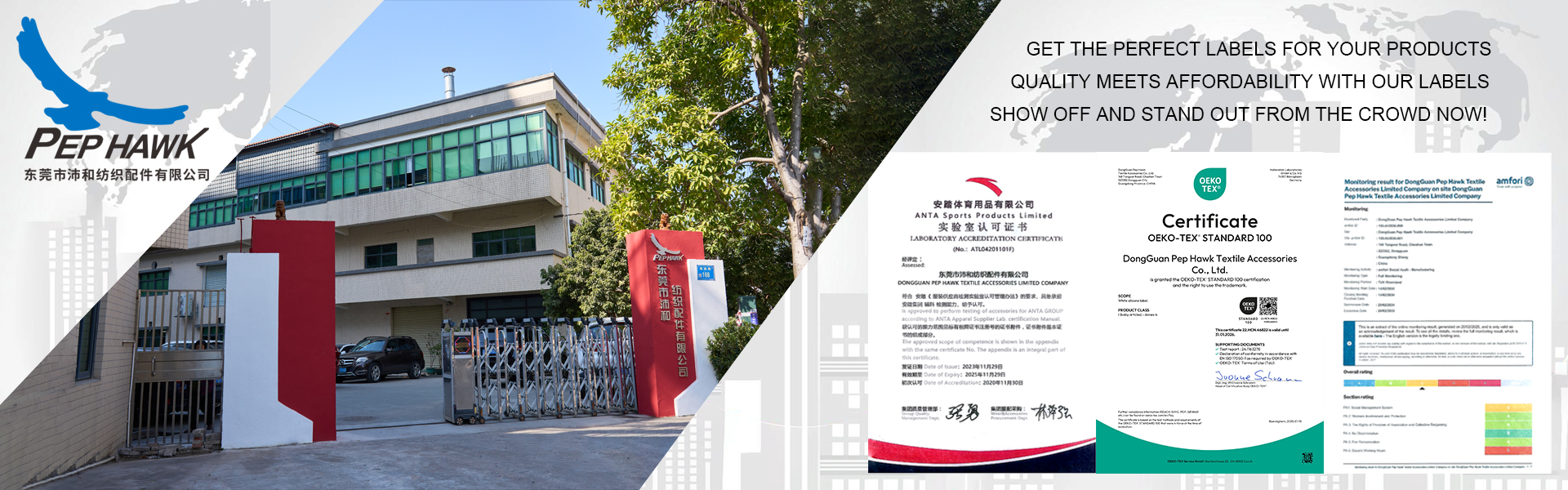
3M Patch with Silver Logo: A Versatile Embellishment Across Apparel
Why Most Jacket Patches Are Forgettable (And How to Make Yours Stand Out)



