

Geometric Patch Design: A Canvas of Shapes, Colors, and Meanings
2025-11-05
Geometric patch designs blend shapes, colors, and textures to craft unique statements in fashion, decor, and branding, merging artistic expression with functional appeal.
Shape Fusion: Beyond Basic Geometry in Patch Design
Geometric patches derive their allure from the imaginative fusion of core shapes—circles, triangles, squares, and assorted polygons. The reference patch, for example, juxtaposes a triangle (with its sharp angles and connotations of strength) against a circle (symbolizing fluidity and wholeness) within a square’s structured boundary. This interplay is just the starting point. Designers can explore symmetrical compositions, where mirrored shapes foster a sense of order—think a row of alternating triangles and squares aligned perfectly along an axis. Conversely, asymmetrical layouts inject dynamism; imagine a large hexagon offset by smaller, irregular triangles, creating visual tension that draws the eye.
Another tactic is geometric segmentation, where a single shape is broken into smaller geometric units. A circle dissected into triangular “slices” or a square fragmented into rhombuses adds layers of intrigue. Mixing regular and irregular polygons—pairing a pentagon with a scalene triangle, for instance—introduces complexity without chaos. The key lies in balancing repetition and variation: too much of the former risks monotony, while too much of the latter can feel disjointed.
Color Psychology and Geometric Patches
Color is a cornerstone of geometric patch design, shaping emotions and defining aesthetic tone. Monochromatic schemes (utilizing different shades of one color) offer sophistication and unity. The reference patch’s grey-and-black palette, for example, relies on tonal contrast to emphasize shape boundaries, suiting brands aiming for a sleek, modern vibe.
Polychromatic palettes embrace boldness. Designers leverage color theory: complementary hues (e.g., purple and yellow) create stark contrast, while analogous colors (e.g., blue and green) evoke harmony. For a youthful feel, neon pinks and oranges on geometric shapes work well, while muted pastels like lavender or mint convey serenity. Cultural context matters too—red signifies prosperity in Chinese culture, while white denotes purity in Western traditions—ensuring color choices align with the patch’s intended message or audience.
Textural Dimensions: Elevating Geometric Patches
Texture transforms geometric patches from flat visuals into sensory experiences. Material choices—felt, leather, embroidery thread, vinyl, or recycled fabrics—dictate both appearance and tactility. A felt patch with laser-cut geometric shapes feels soft yet structured, while a leather patch with embossed triangles exudes luxury.
Mixed-media techniques amplify texture further. Combine embroidered geometric outlines with printed color blocks, or layer a woven geometric pattern over foam-backed shapes for depth. Contrasts in texture—smooth vinyl against fuzzy fleece, say—create visual and tactile tension. In practical terms, textured geometric patches on laptop sleeves or phone cases don’t just look unique; they improve grip, blending style and utility.
Symbolism and Narrative in Geometric Patchwork
Geometric shapes carry inherent symbolism, allowing patches to tell subtle stories. The triangle often represents strength, spirituality, or ambition (seen in pyramids and religious art). The circle signifies eternity and unity, while the square embodies stability and order. In the reference patch, the triangle within a circle might symbolize the intersection of human drive and cosmic harmony, grounded by the square’s structure.
Designers also draw on cultural and historical motifs. Tribal patterns from African or Native American cultures use repeating geometric shapes to chronicle heritage and community. Art Deco-inspired patches lean into bold, symmetrical geometry to evoke 1920s glamour. Even mathematical concepts, like Fibonacci sequences translated into spiraling shapes, add intellectual depth—turning a patch into a conversation piece.
Applications Across Industries: From Fashion to Interior Design
Geometric patches transcend niche uses, finding relevance in diverse fields. In fashion, they adorn denim jackets, backpacks, and hats as customizable statements. Streetwear brands might use oversized, neon geometric patches for edge, while luxury labels opt for subtle embroidered geometric details on tailored blazers.
In interior design, geometric patches become wall art, throw pillow accents, or rug patterns. A collage of felt triangles and circles can warm up a living room wall. For branding, companies use geometric patches as logos or promo items—their bold shapes ensure brand recognition. Even in automotive and tech, they appear on car seat upholstery or smart devices, merging style and function.
Trend Forecasting: Geometric Patches in Modern Aesthetics
Geometric patch design evolves with cultural currents. Currently, minimalist geometry reigns—brands like COS use clean lines and neutral tones for understated sophistication, aligning with “less is more” modern design principles.
A retro revival is also underway, with 1970s-inspired geometric patterns (bold color blocks, psychedelic shapes) resurfacing in fashion and home decor. Meanwhile, futuristic geometry, driven by interest in AI and space exploration, incorporates angular, metallic-looking shapes and neon accents—hinting at a future where geometry feels otherworldly.
Sustainability is shaping trends too, with designers using recycled materials (old denim, recycled plastic fabrics) for geometric patches, appealing to eco-conscious consumers. This blend of sustainability and bold design ensures geometric patches stay relevant amid shifting tastes.
In sum, geometric patches are a testament to how geometry, color, and texture can converge into powerful design statements. Whether telling stories through symbolism, fitting into industry applications, or riding trend waves, they prove that geometric design is both timeless and endlessly adaptable—an enduring wellspring of creative inspiration.
When confronted with the task of producing intricate design drafts of the highest quality, PEPHAWK is here to provide the perfect solution. With over 16 years of industry experience and our esteemed general manager boasting 31 years of expertise in the silicone industry, we are the ultimate choice for tackling your challenging logo design projects. Select PEPHAWK for our unmatched proficiency and rest assured in the impeccable outcomes we consistently deliver.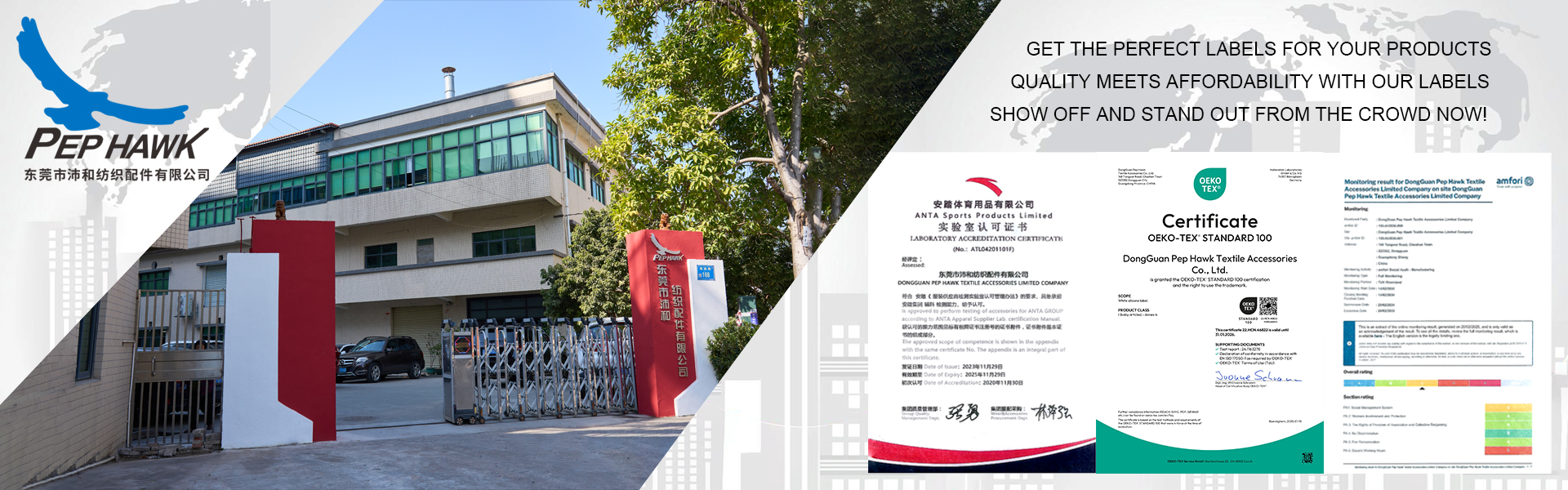
Puma Patch Design Patterns: Creativity and Craftsmanship
Why Custom Logo Patches Are Essential Branding Tools for Modern Apparel




SEND MESSAGE