

Different Types of Garment Tags and How to Choose the Right One
2024-12-04
Enhance your clothing industry with high-quality garment tags. Contact us to start your clothing label design and production, and receive professional assistance.
Garment tags are an essential component of clothing products, providing crucial information about the brand, product, and care instructions. Not only do garment tags meet legal and industry standards, but they also provide an opportunity for clothing businesses to improve customer satisfaction, trust, and loyalty. However, with so many types of garment tags available, choosing the right one can be confusing and overwhelming. In this article, we will explore the different types of garment tags, their benefits, and how to choose the right one for your clothing business.
Introduction to Garment Tags
Garment tags are labels or tags that are attached to clothing products, containing information such as the brand name, logo, size, care instructions, fiber content, and country of origin. Garment tags are designed to provide relevant and accurate information about the product, while also promoting the brand identity and enhancing customer perception. Garment tags can be a cost-effective and long-lasting way to establish your brand in the competitive clothing market.

Benefits of Garment Tags
Garment tags offer several benefits for clothing businesses, including:
Communicating product information and care instructions: Garment tags ensure that customers have access to important information about the product, such as its size, fabric content, and care instructions. This information can help customers make informed purchase decisions and prolong the life of the garment.
Enhancing brand recognition and loyalty: Garment tags provide an opportunity for clothing businesses to increase brand awareness and recognition. By featuring the brand name, logo, and message prominently on the garment tag, clothing businesses can create a memorable and distinctive visual image that sticks with customers and encourages loyalty.
Providing a professional and informative touch: Garment tags contribute to the overall professional and informative look of the clothing products. Clothing businesses can use garment tags to showcase their attention to detail, quality standards, and customer service.
Meeting legal and industry standards: Garment tags are often required by law or industry standards. For example, clothing products sold in the United States must include information on their fiber content and care instructions, as mandated by the FTC.
Improving customer satisfaction and trust: Garment tags can contribute to a positive customer experience by providing clear and accurate information, enhancing the perceived value and quality of the product, and establishing trust and confidence in the brand.
Types of Garment Tags
There are several types of garment tags available, including:
Hang Tags: Hang tags are attached to the product using a string or cord and are meant to be visible from the outside of the garment. Hang tags can contain branding, pricing, product information, or promotional messages.
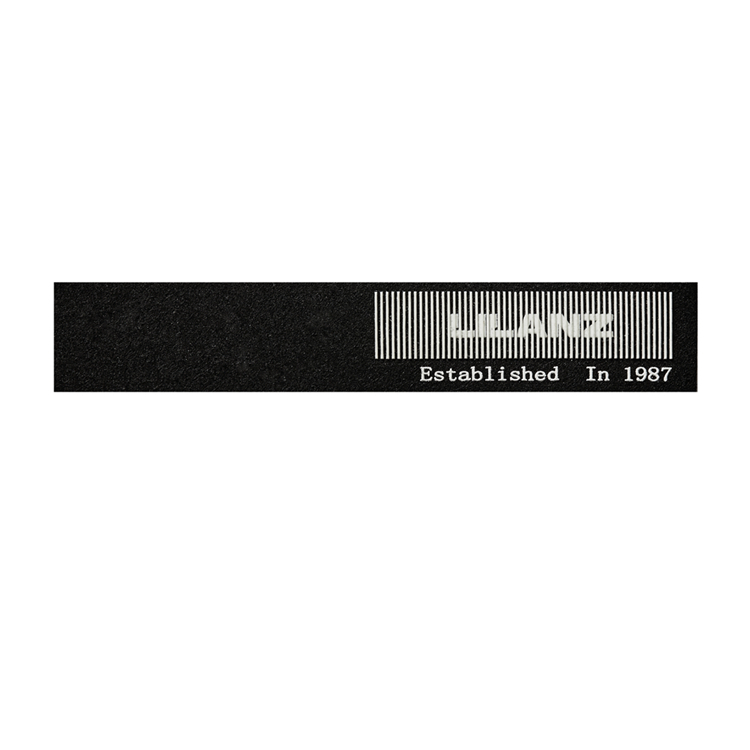
Woven Labels: Woven labels are usually made of polyester and are woven directly into the fabric of the garment. Woven labels offer a durable, high-quality, and sophisticated way to brand the product.
Printed Labels: Printed labels are printed directly onto the fabric of the garment using ink or dye. Printed labels are cost-effective and can offer a high level of customization and flexibility in terms of design, format, and color.
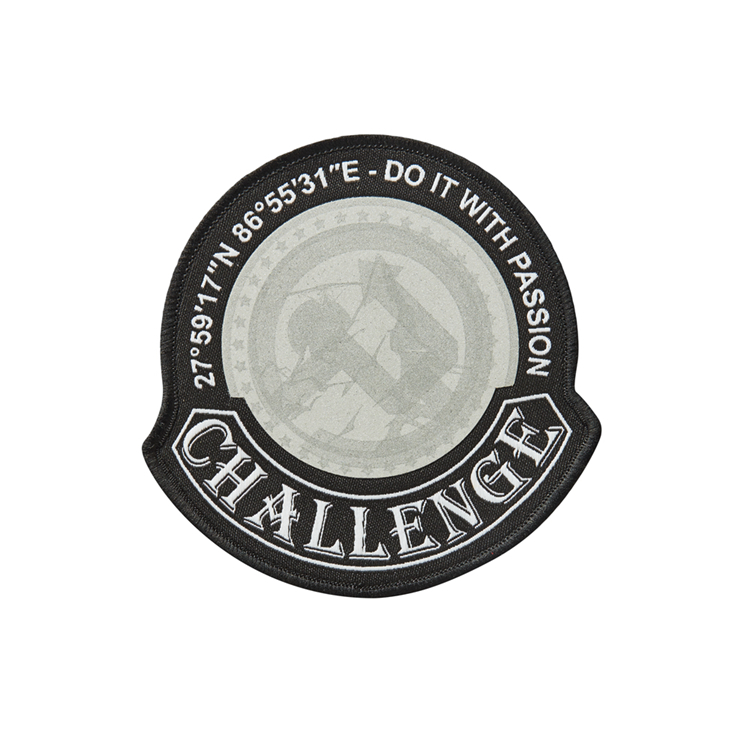
Leather Labels: Leather labels are popular for their durability and texture. Leather labels are often engraved or embossed with the brand name or logo and are attached to the garment using a variety of methods.
Rubber Labels: Rubber labels are made from soft and flexible rubber material and can offer a 3D, embossed, or raised effect. Rubber labels are ideal for sportswear, casual wear, or outdoor wear.
Heat Transfer Labels: Heat transfer labels are produced by transferring the design onto the fabric of the garment using heat. Heat transfer labels offer a high level of detail and color retention and can be used on a variety of fabric types.
Die-Cut Labels: Die-cut labels are created by cutting the design into the fabric using a specialized machine. Die-cut labels offer a unique and creative way to brand the product, but require a higher level of precision and expertise.
Choosing the Right Type of Garment Tags
Choosing the right type of garment tag depends on several factors, including:
Determining your budget and quantity needs: Different types of garment tags have different costs and minimum order quantities, so you need to balance your budget and quantity needs with your branding goals.
Identifying the size, material, and design of your garment tag: Your garment tag should complement the style, color, and fabric of your clothing product, as well as your branding and message.
Determining the intended use and audience of your garment tag: The type of garment tag you choose will depend on the intended purpose of the garment and the target audience. For example, woven labels are often used for high-end or luxury apparel, while rubber labels are more suitable for casual or sportswear.
Implementing Your Garment Tags
Implementing your garment tags requires a thoughtful and strategic approach that aligns with your brand identity, product line, and distribution channels. You need to consider factors such as the design, production, logistics, and feedback mechanisms for your garment tags.
Conclusion
Garment tags are a vital part of the clothing industry, providing both functional and branding benefits for clothing businesses. With so many types of garment tags available, choosing the right one can be a daunting task. By considering the factors discussed in this article, you can choose the right type of garment tag that fits your budget, branding goals, and customer needs. By designing, producing, and distributing high-quality and informative garment tags, you can enhance the customer experience, establish brand recognition, and increase customer loyalty.
Why a Strong Clothes and Accessories Logo is Vital for Your Brand Identity
The Power of Custom Logo Hoodies in Branding your Business




SEND MESSAGE