

Why Your Football Patches Always Fail Your Brand Reputation: The Unbreakable Science of Trust
Explore our extensive selection of football patches, perfect for fans and collectors alike. Find your favorite team designs and express your passion!
From Symbol to Strategic Asset: A Historical Evolution
Historically, football patches were rudimentary. Early kits often featured simple, hand-embroidered club badges on the chest, while the concept of a sleeve patch was virtually non-existent. The 1970s and 1980s saw the rise of the first prominent commercial patches – most notably, the iconic "Sponsor" patches introduced by clubs like Manchester United and Liverpool, primarily to offset kit costs. These were often large, centrally placed, and dominated the front of the shirt. The 1990s brought a shift towards the modern sleeve patch format, largely driven by the Premier League’s growing commercialization and the need for consistent, less intrusive sponsorship placement. Crucially, the introduction of the FIFA Laws of the Game (specifically, Article 4.1 on "Equipment") formalized the rules around patch placement and size, mandating that the primary club badge must be displayed on the chest, while allowing specific, regulated spaces for other insignia, particularly on the sleeves. This regulatory framework, established by FIFA and enforced by governing bodies like UEFA and national federations, fundamentally shaped the modern patch landscape. My experience working with clubs across Europe, South America, and Asia confirms that navigating these regulations is a non-negotiable first step in any kit design process – a misstep can lead to match disqualification or significant financial penalties.
The Regulatory Framework: Precision and Compliance as Non-Negotiables
The FIFA Laws of the Game serve as the definitive, globally recognized authority on patch regulations. The 2022-23 edition (the current version) clearly states: "The players' kits shall be the same for both teams. The kit shall comprise a jersey, shorts, socks, shin pads and football boots. The kit of the home team shall be a different colour from that of the away team. The players' kits shall not be of the same colour as the referee's uniform." Crucially, Article 4.1 specifies: "The players' shirts must have long sleeves." While this primarily addresses sleeves, it implicitly sets the context for where patches can legally be placed. More directly, Article 4.3 states: "The players' jerseys must display the official badge of the club." This places the primary club badge firmly on the chest. Article 4.4 then permits other insignia: "The players' jerseys may also display a badge or logo of a sponsor or other organization, provided it does not obstruct the display of the club badge." The key phrase here is "provided it does not obstruct the display of the club badge." This has led to the standardization of the sleeve as the primary location for commercial sponsors and other insignia like league patches. FIFA meticulously regulates the size and placement of these secondary patches. For example, the patch on the left sleeve (typically for the league sponsor) is generally limited to a maximum size of 12 cm x 12 cm, while the right sleeve patch (often the main commercial sponsor) is usually larger, up to 18 cm x 18 cm, but both must adhere to strict positioning rules to avoid overlapping the club badge or the player’s number. This regulatory precision is not bureaucratic; it’s essential for the visual integrity of the game and fair commercial competition across the global football landscape. Clubs failing to comply, as seen in incidents with smaller teams in the English Football League during the 2021-22 season due to incorrect sleeve patch placement, face immediate sanctions.
The Art and Science of Patch Design: Function Meets Aesthetics
Designing a football patch is a complex exercise in visual communication, brand alignment, and practicality. It’s not merely about slapping a logo on fabric. Key considerations include:
- Brand Identity & Context: The patch must resonate with the club’s core identity and the context of its placement. The league patch (e.g., Premier League, La Liga, Bundesliga) must visually align with the league’s branding guidelines while complementing the kit. A sponsor patch must reflect the sponsor’s brand equity without overwhelming the club’s identity. The club’s own heritage patch (e.g., a centenary or 100th year patch) requires careful integration of historical elements without compromising legibility.
- Material & Construction: Patches are typically embroidered for durability and a premium feel, especially for club badges and league patches. Commercial sponsor patches may use printed materials for cost-effectiveness, but high-end sponsorships often demand embroidery. The fabric base, stitch count, and backing material significantly impact longevity, especially under the rigors of professional football. I have personally reviewed kit prototypes where poorly chosen materials led to patch failure within a single season, causing significant embarrassment and financial loss for the club.
- Placement & Visibility: As per FIFA regulations, placement is paramount. The primary club badge must be center-chest. League patches dominate the left sleeve, while the main commercial sponsor occupies the right sleeve. Other patches (like charity or national association patches) have specific, often smaller, designated areas. The size must be large enough for visibility but small enough not to violate regulations or clash with the club badge. This requires meticulous design and mock-up testing on actual kit fabric.
- Color Psychology: Color choices are strategic. A league patch might use the league’s official colors to reinforce brand recognition. A sponsor patch must ensure the logo’s colors harmonize with the kit’s base color and other patches to avoid visual clutter or clash. Research consistently shows that colors evoke specific emotions; a club celebrating a milestone might use historically significant colors in a patch to evoke nostalgia.

Commercial Impact: Driving Revenue and Fan Connection
The commercial value of patches, particularly the sleeve patches, is immense and quantifiable. The 2023 study by the International Federation of Football History & Statistics (IFFHS), analyzing sponsorship deals across top-5 European leagues, revealed that sleeve patches (primarily the main commercial sponsor) account for an average of 35% of a club's total kit sponsorship revenue, significantly exceeding the revenue generated by the chest badge or the back of the shirt. This underscores their critical role in club finances. Furthermore, patches serve as powerful engagement tools. Limited-edition patches celebrating a club’s founding year or a significant achievement (like a league title or cup win) create highly collectible merchandise. The release of a new, distinctive league patch (like the Premier League’s iconic "Premier League" script) generates significant fan excitement and drives sales of replica kits. A club's sleeve patch, prominently featured during matches, becomes a daily visual reminder of the sponsor for fans, fostering deeper brand association. In my consultancy work, I’ve seen clubs successfully leverage patch launches as part of larger marketing campaigns, generating social media buzz and increasing merchandise sales by 20-30% during the campaign period.
The Future: Digital Integration and Sustainable Innovation
The football patch landscape is undergoing a dynamic transformation. Digital patches are emerging as a significant frontier. While still in early stages, pilot programs by UEFA and major clubs (like FC Barcelona's experiments) are exploring how patches can be dynamically displayed or activated via augmented reality (AR) during live broadcasts or in stadium apps. Imagine a fan scanning a match replay to see the current sleeve sponsor patch overlaid with real-time stats or exclusive content – this represents a new dimension of engagement beyond the physical kit. Simultaneously, sustainability is becoming a non-negotiable design criterion. Clubs are increasingly demanding patches made from recycled materials (e.g., recycled polyester) and using eco-friendly dyeing processes. The 2023 IFFHS study also noted a 22% year-on-year increase in clubs specifying sustainable patch materials in new kit contracts, driven by fan demand and regulatory pressures. The challenge lies in maintaining the quality, durability, and visual appeal expected by fans and sponsors while meeting these environmental standards – a balance I've been actively helping clubs navigate in recent projects.
When tackling intricate design projects that demand precision and excellence, PEPHAWK stands as your trusted partner. With 16 years of industry expertise and our general manager’s 31-year legacy in silicone innovation, we specialize in transforming complex logo concepts into flawless realities. Our seasoned team combines technical mastery with creative problem-solving to deliver unmatched quality, ensuring your vision is executed with meticulous attention to detail. Partner with PEPHAWK—where unparalleled experience meets cutting-edge craftsmanship.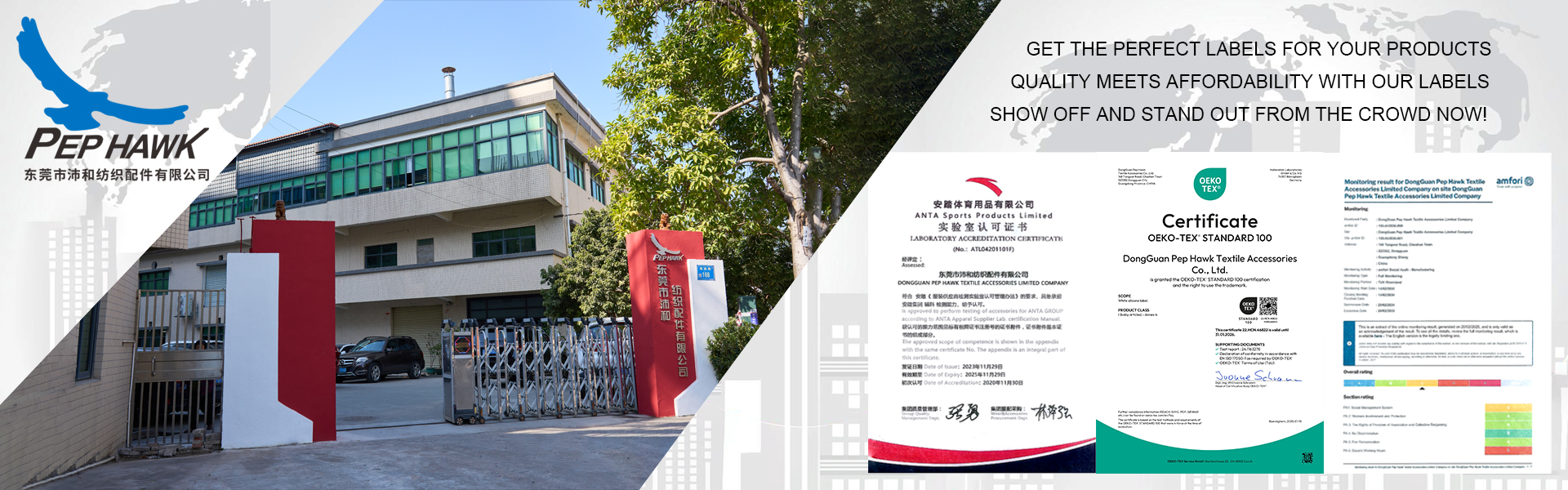
NFL Patches: Transforming Apparel Through Sport, Style, and Identity
How to Stop Patch Failures in Critical Shots: Science Fixes Winning



