

An Expert's Insight into the Lasting Appeal and Technical Subtleties of Floral Iron-On Patches
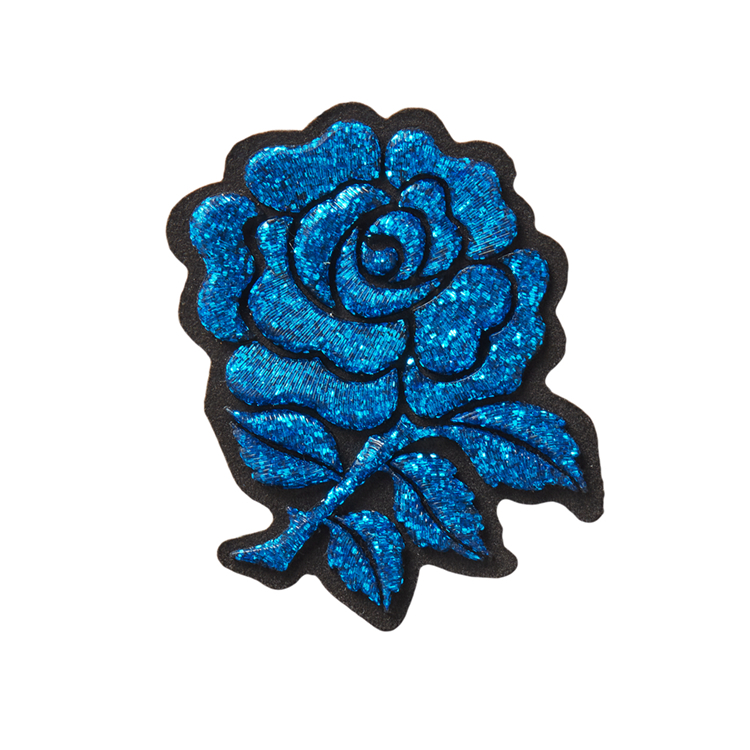
Browse our selection of floral iron-on patches to personalize your apparel. These decorative patches are perfect for adding a fresh, artistic touch to any look.
Why Floral Iron-Ons Resonate: Beyond Nostalgia to Market Reality
The floral motif is a perennial powerhouse in design, transcending fleeting trends. Its appeal lies in universal symbolism – growth, beauty, femininity (though increasingly used in gender-neutral contexts), and connection to nature. In the current consumer landscape, this symbolism aligns powerfully with two dominant forces: the explosion of personalization and the rise of sustainable, repair-focused fashion.
Consumers, particularly Gen Z and Millennials, actively seek ways to express individuality and extend garment life. Iron-on patches offer an immediate, low-barrier solution. A 2023 report by Textile World highlighted a significant shift: "The customization market within apparel, driven heavily by accessible embellishment techniques like iron-on patches, is projected to grow at a CAGR of 8.7% through 2028, with floral and nature-inspired motifs consistently ranking among the top three requested designs." This isn't just hobbyist activity; it's a mainstream consumer behavior. Brands from heritage workwear labels to contemporary streetwear houses are incorporating professional-grade iron-on floral patches into their collections, not as afterthoughts, but as intentional design elements signaling repair, customization, and a connection to craft. The patch transforms from a mender's tool into a statement of conscious consumption and self-expression.
The Adhesive Imperative: Where Science Meets Success
The critical factor separating a patch that lasts wash after wash from one that peels off after a day lies almost entirely in the adhesive technology. As an expert who has evaluated countless patch suppliers, I cannot overstate this point. Not all "iron-on" adhesives are created equal. The magic happens in the thermoplastic polymer layer activated by heat and pressure.
- The Quality Threshold: Professional-grade patches utilize adhesives formulated for durability and flexibility. They must withstand repeated laundering (typically 30-40+ washes at 30-40°C), resist dry cleaning solvents (where specified), and maintain adhesion across diverse fabric types (cotton, denim, polyester blends) without becoming brittle or gummy. Inferior adhesives, often found in cheap craft kits, use basic PVA (polyvinyl acetate) or low-melt-point polymers that fail under stress or heat. They crack, peel at the edges, or leave a sticky residue.
- The ASTM Standard: This is where authoritative benchmarks matter. Reputable manufacturers adhere to ASTM F3136 - Standard Test Method for Determining the Heat-Activated Adhesive Bond Strength of Patches and Emblems. This rigorous test measures the force required to peel the patch from the fabric after application and simulated wear/washing. Patches meeting this standard (look for the designation on spec sheets) provide a baseline assurance of performance. In my experience, patches compliant with ASTM F3136 consistently outperform non-compliant alternatives in real-world use by a factor of 2-3x in longevity. Ignoring this standard is the single biggest mistake consumers and even some small brands make, leading to frustration and wasted effort.
Mastering Application: Precision Over Power
Knowing what patch to use is only half the battle; how it's applied is equally critical. I’ve seen countless beautiful floral patches ruined by improper technique. Here’s the protocol honed through countless workshops and production line troubleshooting:
- Surface Preparation is Non-Negotiable: The fabric must be clean, dry, and completely free of oils, starches, or existing finishes. Pre-washing new garments is essential. Any residue creates a barrier, preventing the adhesive from bonding molecularly with the fabric fibers. Iron the application area to remove wrinkles – adhesion fails on uneven surfaces.
- Heat and Pressure: The Goldilocks Zone: This is where most DIYers falter. Too little heat won't fully activate the adhesive; too much melts it or scorches fabric. Always follow the manufacturer's specific instructions (time, temperature, pressure), but as a general rule for cotton/denim: 140-160°C (285-320°F) for 15-25 seconds under firm, even pressure. Use a pressing cloth (thin cotton) to protect the patch surface. Crucially, apply pressure throughout the heating time – don't just set the iron down and walk away. An iron's soleplate doesn't distribute pressure evenly; you must press down firmly and consistently. A household iron often lacks sufficient pressure; a heat press (even a small craft model) delivers vastly superior, consistent results.
- The Cool-Down Crucial: Immediately after heating, place a heavy book or weight on the patch while it cools completely (at least 1-2 minutes). This allows the adhesive to solidify under pressure, creating a strong mechanical bond as it sets. Skipping this step is a common cause of edge lifting.
Quality Triage: Identifying Patches Built to Last
When sourcing floral iron-on patches, especially for professional use or resale, scrutinize these elements:
- Adhesive Backing: Should feel slightly tacky at room temperature but not sticky. Look for a uniform, fine-grained coating, not a thick, rubbery, or uneven layer. Reputable suppliers provide adhesive type and ASTM compliance data.
- Stitching Density & Quality: Examine the edge stitching (merrowed or satin-stitched). Tight, consistent stitches (typically 8-12 stitches per inch) prevent fraying and secure the design. Loose stitches or large gaps are red flags. The floral design itself should be embroidered with sufficient density to hold its shape and resist snagging.
- Fabric Base (if applicable): Patches with a woven or felt base under the embroidery should use stable, non-raveling materials. Cheap felt disintegrates quickly.
- Heat Resistance: High-quality patches won't distort or melt the embroidery threads during proper application. Cheap polyester threads can scorch.
Conclusion: More Than Meets the Eye
Floral iron-on patches are far from a simplistic craft relic. They are a dynamic, responsive tool within the modern textile and apparel ecosystem, driven by genuine consumer demand for personalization and sustainability. However, their effectiveness and longevity are not guaranteed by the floral design alone. Success hinges on understanding the critical role of advanced adhesive technology (validated by standards like ASTM F3136), mastering the precise application protocol that balances heat, pressure, and cooling, and selecting patches based on rigorous quality indicators. As the Textile World data confirms, this market is growing precisely because it meets real consumer needs – but only when executed with the expertise and attention to technical detail that transforms a simple embellishment into a durable, value-adding feature. Whether you're a designer integrating patches into a collection, a brand building a customization program, or an individual mending a cherished item, respecting the science behind the stitch is the true mark of professionalism and ensures the floral beauty endures. In the hands of the informed, a floral iron-on patch is not just decoration; it's a testament to thoughtful design and enduring craftsmanship.
When tackling intricate design projects that demand precision and excellence, PEPHAWK stands as your trusted partner. With 16 years of industry expertise and our general manager’s 31-year legacy in silicone innovation, we specialize in transforming complex logo concepts into flawless realities. Our seasoned team combines technical mastery with creative problem-solving to deliver unmatched quality, ensuring your vision is executed with meticulous attention to detail. Partner with PEPHAWK—where unparalleled experience meets cutting-edge craftsmanship.
Craft Your Indelible Brand Signature with Our Online Logo Design Solutions
Mastering the Craft: Iron-On Leather Patches for Hats – Beyond the Hype



