

What does "flame resistant" mean
Ensure safety with flame-resistant logos. Our guide explains their importance and how they serve as essential symbols in protecting your team.
Beyond the stark emblem stitched onto a utility worker's coverall, a firefighter's turnout gear, or an electrician's shirt, lies a critical promise: flame resistant logo. This small symbol isn't mere decoration; it’s a vital certification mark signifying life-saving protection. But what does "flame resistant" actually mean? Understanding this distinction, far beyond the common misconception of "fireproof," is fundamental to trusting the logo and ensuring safety. Let’s dissect the true meaning of "flame resistant" and why its certified logo is non-negotiable in high-risk environments.
What "Flame Resistant" Means: Beyond the Fireproof Myth
The term "flame resistant" (FR) is often misunderstood. It does not mean the material won't catch fire or that it provides absolute, impenetrable fireproofing. Instead, it describes a specific, engineered behavior when exposed to an ignition source. Here’s what "flame resistant" truly signifies, broken down into its essential components:
- Self-Extinguishing Capability: This is the cornerstone. FR fabrics are designed to stop burning once the ignition source is removed. Unlike ordinary cotton or synthetics that continue to flame and melt, FR materials cease combustion rapidly, drastically reducing burn injury severity and duration. The fire does not propagate across the fabric.
- Limited Flame Spread: When initially exposed to flame, FR fabrics exhibit minimal progression of the flame front across the material's surface. This controlled reaction prevents a small ignition from escalating into a large, engulfing fire over the wearer's body.
- Char Formation, Not Melting: Many standard synthetic fabrics (like polyester) melt when burned, causing severe, sticky burns that adhere to the skin. Genuine FR materials, particularly inherently FR fibers (like modacrylic, aramid, or treated cotton), form a protective char layer upon exposure to intense heat. This char acts as an insulating barrier, slowing heat transfer to the skin beneath.
- Maintained Structural Integrity: During and after flame exposure, certified FR fabrics retain sufficient strength and coherence. They don’t disintegrate, drip molten material, or develop large holes that expose skin to direct flame or radiant heat. This integrity is crucial for ongoing protection during escape. 5. Thermal Insulation: The char layer formed and the fabric's inherent properties provide critical thermal insulation. This barrier significantly reduces the amount of heat energy transferred through the fabric to the wearer's skin, mitigating the risk of second and third-degree burns even during the brief exposure period before the flame self-extinguishes.
The Critical Role of the Flame Resistant Logo
This is where the flame resistant logo becomes indispensable. It is not a generic claim; it is a verified certification mark. Seeing a recognized FR logo (like those from NFPA 70E, ASTM F1506, IEC 61482, or specific brand certifications) means:
- Rigorous Testing Passed: The garment has undergone stringent, standardized laboratory tests simulating real-world hazards (like electric arc flash or direct flame exposure). It has demonstrably met the performance criteria outlined above – self-extinguishing, limited flame spread, char formation, etc. – for a specific hazard level.
- Compliance Guaranteed: The logo signifies the garment complies with relevant safety standards mandated by regulations (like OSHA in the US) or industry best practices for specific high-risk occupations (electrical utilities, oil & gas, foundries, wildfire fighting).
- Traceability and Accountability: Reputable FR logos are tied to specific test reports, manufacturing batches, and quality control processes. This traceability ensures consistency and allows for recalls if issues arise. It holds the manufacturer accountable.
- Trustworthy Protection: In a split-second emergency, workers cannot afford guesswork. The logo provides immediate, visual assurance that the garment offers the proven level of protection required for their specific job hazards. It’s a symbol of reliability when lives are on the line.
Why the Distinction Matters: The Peril of Misinterpretation
Confusing "flame resistant" with "fireproof" is dangerously misleading. No textile worn next to skin can make a person fireproof. FR protection is about damage mitigation and providing critical escape time. Believing a garment is "fireproof" could lead to complacency or taking unacceptable risks. The FR logo, therefore, also serves as a constant, subtle reminder of the actual level of protection: significant, life-saving resistance, not invincibility.
Furthermore, uncertified garments bearing misleading "FR" claims or generic flame symbols abound. These pose a catastrophic risk. Without the backing of recognized standards and independent verification represented by the legitimate flame resistant logo, there is zero assurance the fabric will perform as needed. It might ignite easily, continue burning, melt, or offer negligible insulation – turning a safety garment into a potential death trap.
When confronted with the task of producing intricate design drafts of the highest quality, PEPHAWK is here to provide the perfect solution. With over 16 years of industry experience and our esteemed general manager boasting 31 years of expertise in the silicone industry, we are the ultimate choice for tackling your challenging logo design projects. Select PEPHAWK for our unmatched proficiency and rest assured in the impeccable outcomes we consistently deliver.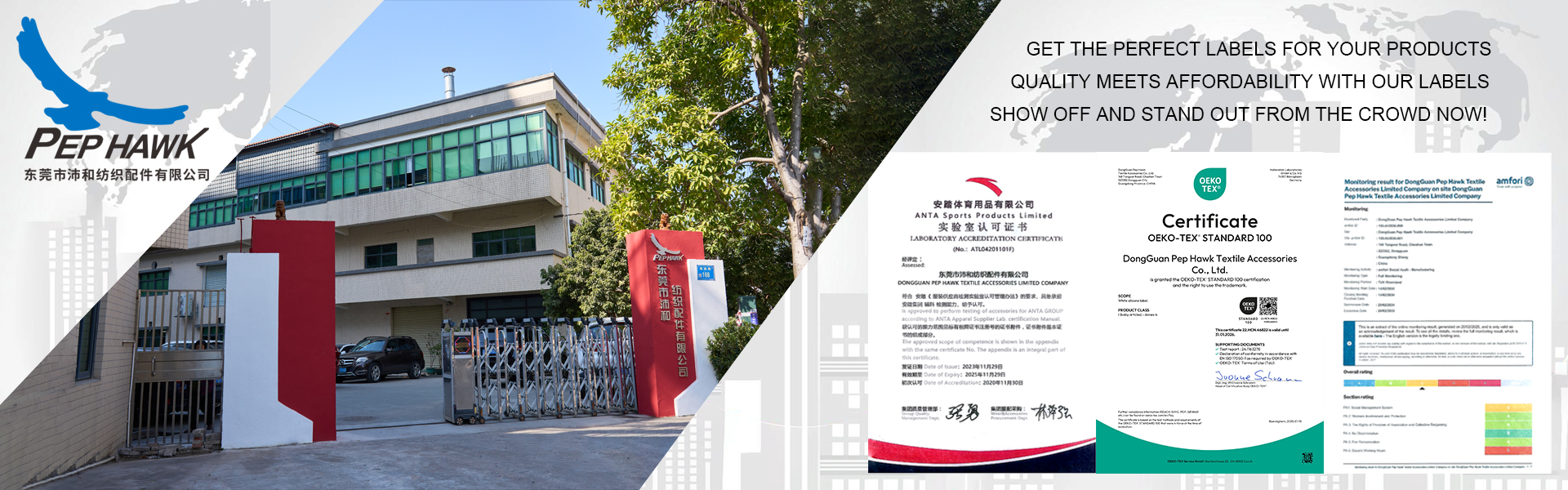
Silicone Heat Transfers: Your Step-by-Step Creation Guide
Sublimation Patches: Top 5 Insights for Industry Success



