

Fire Department Patches: More Than Just a Badge
- 1.What Are Fire Department Patches?
- 2.Core Functional Values of Fire Department Patches
- 3.Key Design Elements of Fire Department Patches
- 3.1Symbolic Motifs
- 3.2Text Information
- 3.3Color Scheme
- 3.4Shape and Size
- 4.Materials and Craftsmanship for Fire Department Patches
- 5.Practical Application and Care Tips
- 6.Market Trends in Fire Department Patches
- 6.1Functionalization
- 6.2Personalization
- 6.3Sustainability
- 6.4Simplification
- 7.Conclusion
Fire Department Patches: Design, Craftsmanship, Functionality, and Cultural Significance
Fire department patches are more than just decorative accessories on uniforms; they are powerful symbols of identity, honor, and tradition within the fire service community. These specialized emblems serve practical purposes while carrying deep cultural meaning, connecting firefighters to their departments, their colleagues, and the communities they protect.
From small volunteer fire stations to large municipal departments, patches act as a unifying force—representing the courage, dedication, and sacrifice that define the fire service. This article explores the core values, design elements, materials, craftsmanship, and practical applications of fire department patches, supplemented by detailed tables to clarify key information.
1. What Are Fire Department Patches?
Fire department patches are specialized emblems, typically embroidered, molded, or printed, designed for use on fire service uniforms, tactical gear, and commemorative items. Their primary role is to identify firefighters and their affiliations, but they also serve as a tangible link to the department’s history and values.
Unlike generic patches, fire department patches are tailored to the unique identity of each department, incorporating symbols, colors, and text that reflect its mission and heritage. They are worn with pride, serving as a visual reminder of the responsibility firefighters bear to their communities.
1.1 Types of Fire Department Patches by Usage
Fire department patches vary based on their intended use, with each type designed to meet specific needs—from daily duty to special events. The table below outlines the most common types, their purposes, and key features.
| Patch Type | Purpose | Key Features |
|---|---|---|
| Duty Patches | Daily wear on uniforms or tactical gear for identification | Durable, wear-resistant, waterproof, fire-retardant |
| Commemorative Patches | Mark special events, anniversaries, or mission completions | Intricate designs, decorative elements (e.g., metal trim), limited edition |
| Collectible Patches | For fire service culture collection and inter-department exchange | Unique designs, small batch production, focus on cultural symbolism |
| Rank Patches | Indicate a firefighter’s rank or position within the department | Clear insignia, consistent color scheme, standardized size |
2. Core Functional Values of Fire Department Patches
Beyond their visual appeal, fire department patches serve four critical functional values that make them essential to the fire service. Each value reinforces the role of patches as more than just symbols—they are tools for connection and accountability.
2.1 Identity and Accountability
Patches clearly identify which fire department a firefighter belongs to, as well as their station, unit, and service area. This is crucial during emergency responses, where multiple departments may collaborate, and clear identification ensures smooth coordination.
2.2 Honor and Legacy
Many patches incorporate elements that commemorate heroic deeds, historical milestones, or fallen colleagues. They act as a way to preserve the department’s legacy, ensuring that past achievements and sacrifices are not forgotten.
2.3 Team Cohesion
Wearing the same patch fosters a sense of belonging among firefighters. It reminds them that they are part of a team working toward a common goal—protecting lives and property. This cohesion is vital in high-stress emergency situations.
2.4 Public Recognition
For the public, fire department patches are a recognizable symbol of trust and safety. They help community members identify firefighters quickly, fostering a connection between the fire service and the people it serves.
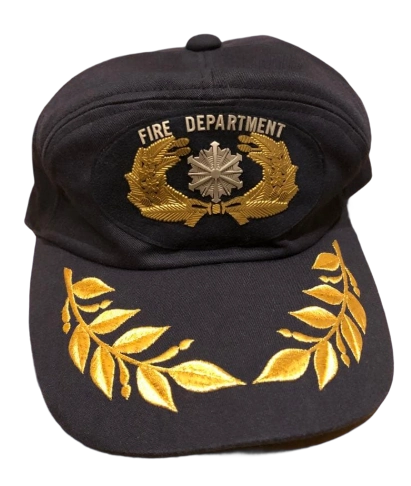
3. Key Design Elements of Fire Department Patches
The design of a fire department patch is carefully considered to reflect the department’s identity and values. Common design elements include symbolic motifs, text, colors, and shapes, each chosen for its meaning and visibility.
3.1 Symbolic Motifs
Fire service-specific symbols are the foundation of most patch designs, as they instantly convey the purpose of the department. The table below highlights the most common motifs and their meanings.
| Symbol | Meaning |
|---|---|
| Maltese Cross | A historic symbol of courage, sacrifice, and the fire service’s commitment to helping others |
| Fire Helmet | Represents the protection firefighters wear and their readiness to respond |
| Fire Truck/Ladder/Hydrant | Symbolizes the tools and equipment firefighters use to carry out their mission |
| Axe/Halligan Tool | Represents the skills and readiness of firefighters to rescue those in need |
| City Skyline/Regional Icon | Connects the department to the specific community it serves |
3.2 Text Information
Text on fire department patches is typically concise and informative, including mandatory details that clarify the patch’s purpose. Common text elements include the department’s name, station number, city/state, establishment year, and motto.
Mottos are often included to reflect the department’s values—examples include “Courage Under Fire,” “Protect and Serve,” and “Honor, Duty, Sacrifice.”
3.3 Color Scheme
Fire department patches use colors that are both symbolic and visible. The most common colors and their meanings are outlined below.
| Color | Symbolic Meaning | Practical Use |
|---|---|---|
| Fire Red | Courage, passion, and the fire service’s mission | High visibility, easy to recognize |
| Navy Blue | Trust, loyalty, and professionalism | Complements fire red, hides dirt and wear |
| Gold/Yellow | Honor, achievement, and bravery | High contrast, enhances visibility |
| Black | Respect, solemnity, and remembrance of fallen colleagues | Durable, pairs well with other colors |
3.4 Shape and Size
The shape of a fire department patch is often chosen for its symbolism and practicality. The most common shape is the shield, which represents protection—fitting for a profession focused on safeguarding others. Other common shapes include circles (unity), squares (stability), and the Maltese cross (courage).
Size varies based on where the patch is worn: chest patches are typically 3–4 inches, sleeve patches 2–3 inches, and shoulder patches 1.5–2 inches. Standard sizes ensure consistency across uniforms.
4. Materials and Craftsmanship for Fire Department Patches
The durability and appearance of fire department patches depend on the materials and craftsmanship used. Patches must withstand harsh conditions—including heat, moisture, and frequent wear—so high-quality materials are essential.
4.1 Common Materials
Different materials are used based on the patch’s intended use, with a focus on durability, functionality, and aesthetics. The table below compares the most common materials.
| Material | Advantages | Disadvantages | Best For |
|---|---|---|---|
| Polyester Thread (Embroidery) | Durable, colorfast, resistant to fading and wear | Less waterproof than molded materials | Duty patches, collectible patches |
| PVC/Silicone (Molded) | Waterproof, fire-retardant, scratch-resistant, 3D appearance | Less textured than embroidery | Outdoor duty patches, tactical gear |
| Cotton Twill (Base) | Soft, breathable, easy to embroider | Less durable than synthetic materials | Indoor patches, commemorative patches |
| Felt | Thick, textured, ideal for 3D designs | Prone to fraying, not waterproof | Collectible patches, decorative patches |
4.2 Common Craftsmanship Techniques
The craftsmanship used to create fire department patches affects their appearance, durability, and texture. Below are the most popular techniques, along with their key features.
| Craftsmanship Technique | Process | Key Features |
|---|---|---|
| Flat Embroidery | Thread is stitched flat onto a base material | Clean, classic look, ideal for detailed designs |
| 3D Puff Embroidery | Foam is placed under the thread to create a raised effect | Bold, eye-catching, adds depth to symbols |
| PVC/Silicone Molding | Material is poured into a mold and cured | 3D, waterproof, durable, consistent appearance |
| Heat-Transfer Printing | Design is printed onto a film and transferred to the base material with heat | Full-color designs, quick production, less durable than embroidery |
5. Practical Application and Care Tips
Proper application and care of fire department patches ensure they remain in good condition and maintain their appearance over time. Below are key tips for applying and caring for patches.
5.1 Application Methods
The method used to apply a patch depends on its backing and intended use. Common application methods include:
- Velcro Backing: Easy to attach and remove, ideal for interchangeable patches (e.g., rank patches).
- Heat-Seal/Iron-On Backing: Permanent attachment, suitable for regular duty patches. Requires heat to activate the adhesive.
- Sew-On Backing: The most durable method, recommended for patches worn in harsh environments. Stitching ensures the patch stays in place even with frequent wear.
5.2 Care and Maintenance
To extend the life of fire department patches, follow these care tips:
- Cleaning: Hand wash patches when possible, or machine wash on a gentle cycle with cold water. Avoid bleaching or using harsh detergents, which can fade colors and damage materials.
- Drying: Air dry patches or tumble dry on low heat. High heat can melt adhesive (for iron-on patches) or damage embroidery thread.
- Storage: Store patches in a dry, cool place away from direct sunlight. Sunlight can fade colors over time.
- Repair: Fix loose threads or peeling edges promptly to prevent further damage. Use matching thread for sewing repairs.
6. Market Trends in Fire Department Patches
Fire department patches are evolving to meet the changing needs of the fire service, with new trends focusing on functionality, personalization, and sustainability.
6.1 Functionalization
Modern patches are incorporating functional features such as reflective thread, which enhances visibility during night responses, and fire-retardant materials, which meet safety standards for tactical gear.
6.2 Personalization
Departments are increasingly customizing patches to reflect their unique stories and local culture. This includes incorporating regional icons, memorials to fallen firefighters, and department-specific mottos.
6.3 Sustainability
There is a growing focus on eco-friendly materials, such as recycled polyester thread and biodegradable PVC alternatives. This trend aligns with the broader movement toward sustainability in public services.
6.4 Simplification
Many departments are adopting minimalist designs, which are easier to recognize and fit better with modern uniform styles. These designs often feature bold symbols and simple text, prioritizing clarity over intricate details.
7. Conclusion
Fire department patches are a vital part of fire service culture, serving both practical and symbolic purposes. They identify firefighters, honor legacy, foster team cohesion, and connect the fire service to the communities it protects.
From design elements and materials to craftsmanship and care, every aspect of a fire department patch is carefully considered to reflect the values of the department and the courage of its firefighters. As trends evolve, patches will continue to adapt—remaining a timeless symbol of the fire service’s commitment to duty, honor, and sacrifice.
Polo Patches: Tiny Touches, Big Style!
Perfect Iron On Patches in Easy Steps



