

The Art of Felt Fabric: Why It’s the Ultimate Choice for Embroidery Patches
Find the ideal felt patches for your creative endeavors. Our collection offers a variety of colors and designs to enhance your crafts and personal items.
Embroidery patches have long been a staple in fashion, branding, and personalization. From military uniforms to trendy jackets, these small yet impactful accessories allow individuals and organizations to express identity, creativity, and pride. However, not all fabrics are created equal when it comes to crafting high-quality patches. Among the myriad options available, felt fabric stands out as a top choice for its versatility, durability, and timeless appeal. In this article, we’ll explore why felt is the preferred material for embroidery patches, its unique advantages, and how it can elevate your patch projects.
Why Fabric Choice Matters in Embroidery Patches
When creating embroidered patches, the fabric serves as the foundation for your design. The right material ensures that the patch not only looks great but also withstands daily wear and tear. Not every fabric is suitable for embroidery—some are too delicate, while others may distort under heavy stitching. Natural fabrics like linen, silk, and wool are often praised for their sturdy construction and tight weave, making them ideal for intricate designs.
However, when it comes to patches specifically, felt fabric takes center stage. Its unique properties make it an exceptional choice for both simple and complex embroidery projects.
What Makes Felt Fabric Special?
Felt is crafted through a process of matting, condensing, and pressing fibers together to create a dense, non-woven textile. Unlike woven fabrics, felt doesn’t unravel or fray, which makes it incredibly durable and low-maintenance. This characteristic alone sets it apart from other materials commonly used in patch production.
Key Features of Felt Fabric
- No Fraying Edges: One of the standout qualities of felt is that it doesn’t fray, eliminating the need for extensive edge finishing. This simplifies the patch-making process and reduces the risk of loose threads over time.
- Wide Color Range: Felt comes in a variety of colors, allowing designers to match their vision perfectly. Whether you’re aiming for bold, vibrant hues or soft, muted tones, felt has you covered.
- Versatile Texture: Felt’s smooth yet substantial texture provides an excellent canvas for embroidery. It holds stitches securely without puckering or stretching, ensuring clean lines and sharp details.
- Eco-Friendly Options: High-quality felt made from natural wool is biodegradable and sustainable, making it an environmentally conscious choice for eco-friendly projects.
Why Choose Felt Fabric for Your Patches?
Felt isn’t just another fabric—it’s a game-changer for anyone looking to create professional-grade patches. Here’s why it deserves a spot at the top of your list:
1. Elegant Simplicity
Felt patches exude a classic charm that works well for both minimalist and elaborate designs. Whether you’re creating a simple monogram or a detailed logo, felt provides a polished backdrop that enhances the overall aesthetic.
2. Durability Without Compromise
Thanks to its tightly compressed fibers, felt is incredibly resilient. It resists tearing and maintains its shape even after repeated washing or exposure to the elements. This makes it perfect for items like backpacks, jackets, and hats that see frequent use.
3. Minimal Edge Finishing Required
Unlike other fabrics that require hemming or binding to prevent fraying, felt’s inherent structure eliminates this step. As a result, felt patches are quicker and easier to produce, saving both time and resources.
4. Customization Potential
With felt, the possibilities are endless. You can experiment with different thread colors, stitch patterns, and textures to bring your design to life. Additionally, felt’s versatility allows it to complement various styles—from rustic and vintage to modern and sleek.
5. Accessibility for Beginners
Even if you’re new to sewing or crafting, working with felt is straightforward. Its stability and ease of handling make it beginner-friendly, while still delivering professional results.
What Is Felt Fabric Best For?
Felt’s adaptability makes it suitable for a wide range of patch applications. Here are some examples of where felt truly shines:
1. Personalized Accessories
Add a touch of personality to everyday items like bags, hats, scarves, and purses with custom felt patches. Whether you’re commemorating a special event or simply expressing your style, felt patches offer a seamless way to upgrade your accessories.
2. Uniforms and Branding
For businesses and organizations, felt patches provide a cost-effective and visually appealing solution for uniforms, promotional merchandise, and branded apparel. Their durability ensures they’ll last through countless shifts and events.
3. Costumes and Creative Projects
From cosplay costumes to themed party outfits, felt patches are a go-to option for adding intricate details without breaking the bank. Their ability to mimic everything from medieval crests to futuristic insignias makes them indispensable for creative endeavors.
4. Educational and Sports Teams
Schools, universities, and sports teams often rely on patches to foster unity and spirit. Felt’s affordability and versatility make it an excellent choice for large-scale orders, such as team jerseys or club uniforms.
Tips for Working with Felt Fabric
To maximize the potential of felt patches, keep these tips in mind:
1. Choose High-Quality Felt
Opt for premium felt made from natural wool or high-grade synthetic fibers. Cheaper alternatives may lack the density and durability needed for long-lasting patches.
2. Match Thread Colors Carefully
Select thread colors that complement or contrast beautifully with the felt base. Test combinations beforehand to ensure they align with your desired outcome.
3. Use Proper Stabilizers
While felt is sturdy, using a stabilizer during embroidery can help maintain tension and prevent distortion, especially for larger or more intricate designs.
4. Experiment with Textures
Incorporate textured threads or metallic accents to add dimension and visual interest to your patches. Felt’s smooth surface provides the perfect foundation for these embellishments.
When confronted with the task of producing intricate design drafts of the highest quality, PEPHAWK is here to provide the perfect solution. With over 16 years of industry experience and our esteemed general manager boasting 31 years of expertise in the silicone industry, we are the ultimate choice for tackling your challenging logo design projects. Select PEPHAWK for our unmatched proficiency and rest assured in the impeccable outcomes we consistently deliver.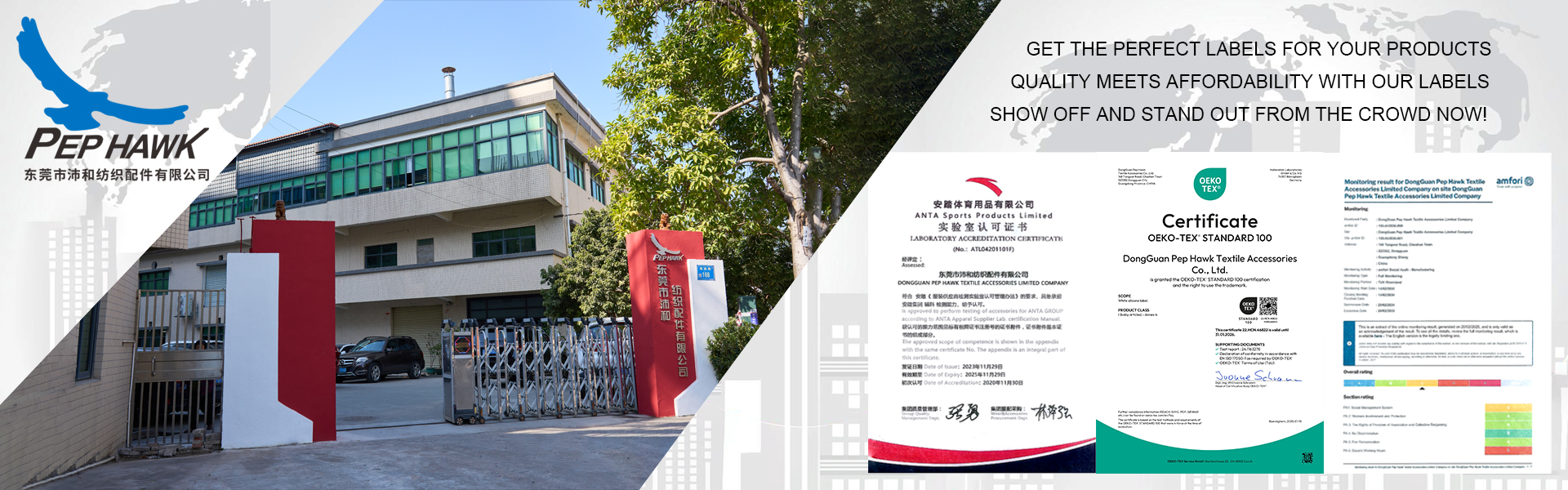
The Art of Heat Press Iron-On Patches: A Modern Guide to Customization
Black Iron-On Patches: The Ultimate Blend of Style and Versatility



