

Faux Leather Patches: A Complete Recommendation for Apparel Brands
2026-03-16
Table of Contents
- Main Title
- 1. What Is a Faux Leather Patch?
- 2. Faux Leather 101: Material Basics
- 3. Types of Faux Leather Patches
- 4. Key Benefits of Faux Leather Patches
- 5. Common Applications of Faux Leather Patches
- 6. Customizing Your Faux Leather Patches
- 7. How Faux Leather Patches Are Made
- 8. Care & Maintenance Tips
- 9. Conclusion: Why Faux Leather Patches Are Worth Choosing
These versatile faux leather patches have become a staple in the apparel and accessory industry, blending style, functionality, and affordability in a way that genuine leather often can’t match.
1. What Is a Faux Leather Patch?
Let’s start with the basics. A faux leather patch is a small piece of synthetic leather (also called artificial leather or vegan leather) cut into specific shapes and designs, used to decorate, brand, or reinforce clothing, bags, footwear, and other accessories.
Unlike genuine leather patches, which are made from animal hides, faux leather patches are crafted from man-made materials. This difference makes them more accessible, ethical, and adaptable to a wide range of design needs.
In recent years, faux leather patches have surged in popularity—driven by the growing demand for vegan, cruelty-free products, as well as their cost-effectiveness and consistency. They’re no longer seen as a “cheaper alternative” to real leather; instead, they’re celebrated for their own unique benefits and versatility.
2. Faux Leather 101: Material Basics
To understand faux leather patches, it’s important to first know what faux leather itself is. Faux leather is a synthetic material designed to mimic the look and feel of genuine leather, but without using animal products. The two most common types of faux leather used for patches are:
-
PVC (Polyvinyl Chloride) Faux Leather: A durable, water-resistant option that’s affordable and easy to produce. It’s often used for patches that need to withstand frequent wear and tear.
-
PU (Polyurethane) Faux Leather: A softer, more flexible option that closely resembles the texture of genuine leather. It’s breathable, lightweight, and often preferred for high-end or fashion-forward patches.
Below is a quick comparison between faux leather and genuine leather, highlighting why faux leather is a better choice for patches in many cases:
|
Feature
|
Faux Leather
|
Genuine Leather
|
|---|---|---|
|
Cost
|
Affordable; 30-70% cheaper than genuine leather
|
Expensive; prices vary based on hide quality
|
|
Ethics
|
Vegan, cruelty-free; no animal products used
|
Uses animal hides; not vegan-friendly
|
|
Consistency
|
Uniform color, texture, and thickness
|
Natural variations (scratches, marks) are common
|
|
Durability
|
Water-resistant; resists fading and cracking
|
Requires conditioning; can dry out and crack over time
|
|
Customization
|
Easy to emboss, deboss, print, or dye
|
Customization is possible but more expensive
|
3. Types of Faux Leather Patches
Faux leather patches come in a variety of types, categorized by their backing, finish, and shape. Choosing the right type depends on your application, budget, and design goals. Here’s a breakdown:
3.1 By Backing Type
The backing of a faux leather patch determines how it’s attached to your product. The most common options are:
|
Backing Type
|
Description
|
Best For
|
|---|---|---|
|
Adhesive (Self-Stick)
|
Has a peel-and-stick backing; no sewing or heat required
|
Temporary use, crafts, or items that can’t be sewn
|
|
Sew-On
|
Thick backing with pre-punched holes for easy sewing
|
Permanent attachment, heavy-duty items (jeans, jackets)
|
|
Iron-On
|
Heat-activated adhesive backing; adheres with an iron
|
Quick, permanent attachment for fabrics like cotton or polyester
|
|
Velcro
|
Velcro strips on the back; removable and reusable
|
Patches that need to be swapped out (e.g., team logos)
|
3.2 By Finish
The finish of a faux leather patch affects its appearance and texture. Popular finishes include:
-
Matte: A smooth, non-shiny finish that gives a subtle, understated look. Perfect for minimalist designs.
-
Glossy: A shiny, reflective finish that adds a polished, premium feel. Great for bold branding.
-
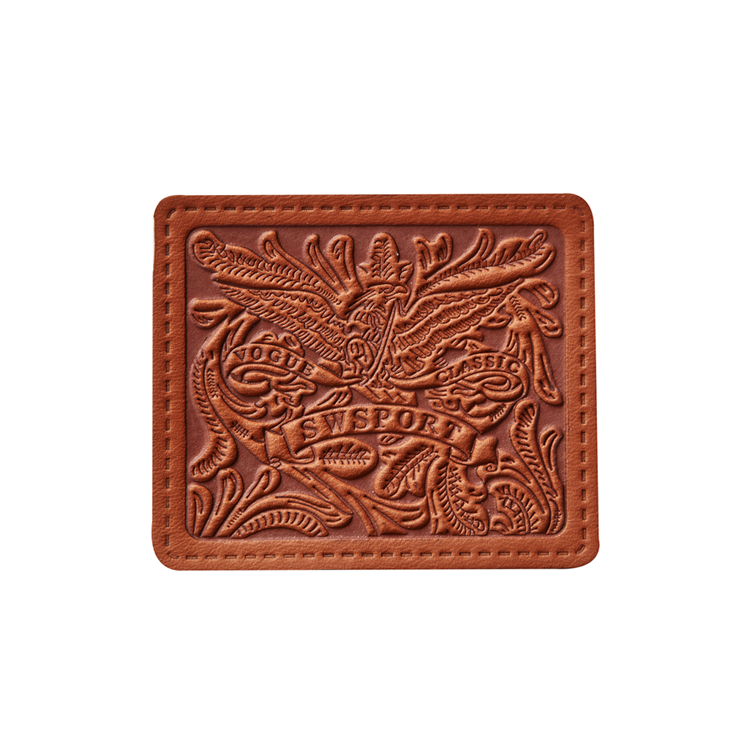
Embossed: Patterns or logos are raised on the surface, adding texture and depth. Common for brand logos.
-
Debossed: Patterns or logos are pressed into the surface, creating a subtle, sophisticated look.
-
Printed: Designs, graphics, or text are printed directly on the patch. Ideal for complex or colorful designs.
3.3 By Shape
Faux leather patches can be cut into any shape, making them highly customizable. The most common shapes are:
-
Rectangular/Square: Classic, versatile shape; perfect for brand names or logos on jackets or bags.
-
Round/Oval: Soft, approachable shape; great for small logos or decorative patches.
-
Custom-Shaped: Cut to match your brand’s logo, mascot, or unique design. Perfect for standing out from the crowd.
4. Key Benefits of Faux Leather Patches
There are many reasons why faux leather patches are a top choice for brands and crafters alike. Here are their core advantages, broken down into simple, easy-to-digest points:
Cost-Effective: Faux leather is significantly cheaper than genuine leather, making it ideal for brands working with a budget. You can get high-quality patches without breaking the bank, even for large orders.
Durable & Low-Maintenance: Faux leather patches are water-resistant, fade-resistant, and resistant to cracking. They don’t require conditioning like genuine leather, and they hold up well to frequent wear and tear—perfect for everyday items like jeans and bags.
Ethical & Eco-Friendly: As a vegan alternative to genuine leather, faux leather patches appeal to conscious consumers who want to avoid animal products. Many modern faux leathers are also made from recycled materials, reducing their environmental impact.
Consistent Quality: Unlike genuine leather, which has natural variations, faux leather is produced in a controlled environment. This means every patch will have the same color, texture, and thickness—ideal for brands that want a uniform look across their products.
Highly Customizable: Faux leather is easy to emboss, deboss, print, dye, and cut into any shape. Whether you want a simple logo or a complex design, faux leather patches can bring your vision to life.
5. Common Applications of Faux Leather Patches
Faux leather patches are incredibly versatile, and they’re used in a wide range of industries. Below is a table highlighting their most common applications:
|
Industry/Product Type
|
Examples of Use
|
|---|---|
|
Apparel
|
Denim jackets, jeans, hoodies, jackets, coats, t-shirts
|
|
Footwear
|
Shoes, boots, sneakers (branding on the tongue or side)
|
|
Accessories
|
Canvas totes, backpacks, hats, belts, wallets, luggage
|
|
Corporate/Promotional
|
Branded patches for employee uniforms, promotional bags, event souvenirs
|
|
Crafts & DIY
|
Custom patches for scrapbooking, homemade gifts, pet collars
|
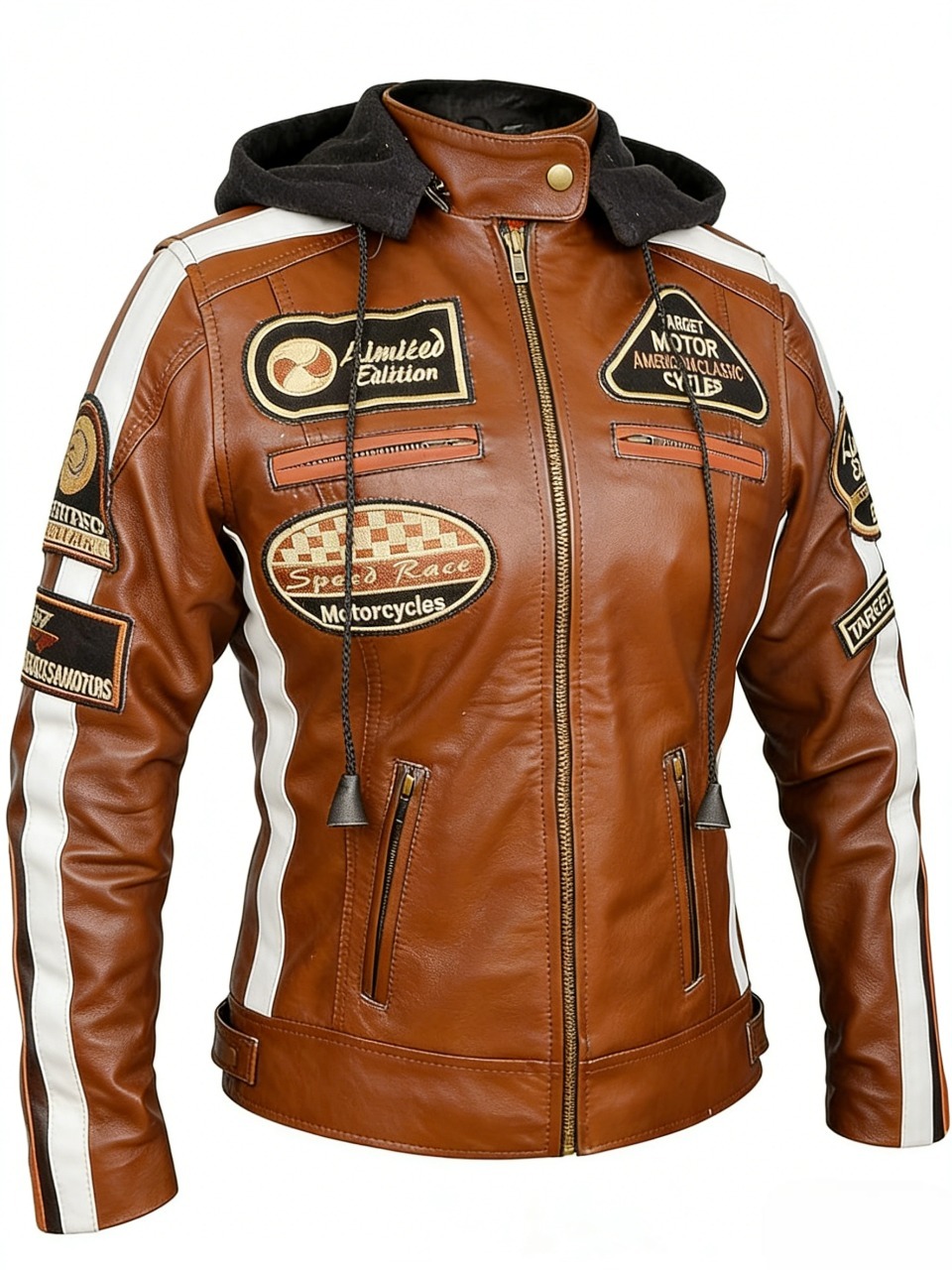
One of the most popular uses is on denim jackets and jeans—faux leather patches add a rugged, stylish touch that complements the casual aesthetic of denim. They’re also commonly used on backpacks and totes, as they’re durable enough to withstand daily use.
6. Customizing Your Faux Leather Patches
The best part about faux leather patches is their customization potential. Whether you’re a brand looking to showcase your logo or a crafter wanting a unique design, you can tailor every aspect of your patch. Here’s what you can customize:
|
Customization Option
|
Details
|
|---|---|
|
Logo/Design
|
Emboss (raised), deboss (recessed), or print your logo, text, or graphic
|
|
Color
|
Match any Pantone color to align with your brand palette; common colors include black, brown, tan, and white
|
|
Size & Thickness
|
Choose from small (1x1 inch) to large (4x6 inch) patches; thickness ranges from 0.8mm to 2mm
|
|
Edge Finishing
|
Stitched edges (for a classic look) or heat-cut edges (for a clean, modern finish)
|
|
Backing
|
Choose between adhesive, sew-on, iron-on, or velcro backing based on your needs
|
When customizing, it’s important to work with a reputable manufacturer who can ensure your patches match your vision. Most manufacturers offer free samples, so you can test the color, texture, and design before placing a large order.
7. How Faux Leather Patches Are Made
The production process of faux leather patches is straightforward, but it requires precision to ensure quality. Here’s a step-by-step overview:
Step 1: Material Selection – The manufacturer chooses the type of faux leather (PVC or PU) based on the customer’s needs. They then cut the material into large sheets.
Step 2: Cutting – Using a die-cut machine or laser cutter, the faux leather sheets are cut into the desired shape (rectangular, round, custom, etc.). Laser cutting is ideal for complex shapes, while die-cutting is better for large orders.
Step 3: Logo/Design Processing – If the patch requires embossing, debossing, or printing, this step is done next. Embossing and debossing use metal dies to press the design into the faux leather, while printing uses high-quality ink to apply graphics.
Step 4: Edge Treatment – The edges of the patch are treated to prevent fraying. This can be done by heat-cutting (which seals the edges) or stitching (which adds a decorative touch).
Step 5: Backing Application – The chosen backing (adhesive, iron-on, etc.) is applied to the back of the patch. This step requires careful alignment to ensure the backing covers the entire back of the patch.
Step 6: Quality Control – Each patch is inspected for defects (e.g., uneven edges, misaligned designs, faulty backing). Defective patches are discarded, and only high-quality patches are packaged.
Step 7: Packaging – The patches are packaged in individual bags or bulk packaging, depending on the customer’s needs. They’re then shipped to the customer.
8. Care & Maintenance Tips
Faux leather patches are low-maintenance, but proper care will help them last longer. Here are some simple tips:
Cleaning: Wipe the patch with a damp cloth to remove dirt or stains. Avoid using harsh chemicals (e.g., bleach, alcohol) or abrasive cleaners, as they can damage the faux leather.
Storage: Store items with faux leather patches in a cool, dry place. Avoid direct sunlight, as it can cause fading. Don’t fold or crumple the patch, as this can create creases that are hard to remove.
Avoid Damage: Keep the patch away from high heat (e.g., irons, hair dryers), as it can melt or warp. Avoid sharp objects that can scratch or tear the faux leather.
Iron-On Patches: If your patch is iron-on, avoid ironing it directly—use a thin cloth between the iron and the patch to prevent damage.
9. Conclusion: Why Faux Leather Patches Are Worth Choosing
Faux leather patches are more than just a decorative accessory—they’re a practical, ethical, and cost-effective way to elevate your products. Whether you’re a brand looking to strengthen your identity, a crafter wanting to add a professional touch, or a consumer looking for a stylish, durable patch, faux leather has something to offer.
With their versatility, customization options, and low maintenance, it’s no wonder faux leather patches are becoming increasingly popular. They offer the look and feel of genuine leather without the high cost, ethical concerns, or maintenance requirements.
Looking ahead, the trend for faux leather patches is only going to grow. As more consumers prioritize vegan and eco-friendly products, and brands look for affordable ways to stand out, faux leather patches will remain a staple in the apparel and accessory industry.
So, whether you’re planning to add faux leather patches to your brand’s products or create a custom patch for your own use, now you have all the information you need to make the right choice. Faux leather patches are durable, stylish, and versatile—what’s not to love?
PEPHAWK is proud to highlight our integrated one-stop service—seamlessly combining professional design, R&D, and manufacturing capabilities to deliver cohesive, end-to-end solutions for our valued clients.
Our core product range covers a diverse selection of high-quality accessories and silicone-based items, including:
- Garment Accessories: Silicone Labels, Micro Fiber Labels, TPU Labels, Leather Labels
- Electronic & Lifestyle Gadgets: Silicone Mobile Phone Skins, Silicone MP3 Skins, Silicone Chaplets, Silicone Bracelets
Beyond our core offerings, we also connect clients with complementary products through our trusted affiliated companies, ensuring all your needs are met under one partnership.
What sets us apart is our specialized expertise in key manufacturing processes: Silk Screen Printing, High-Frequency Welding, Sublimation Printing, Seamless Fabric Processing, and Laser Cutting. These capabilities allow us to serve a wide array of industries—from garments, shoes, caps, and gloves to electronic devices, bags, and sporting equipment—with products that blend durability, functionality, and aesthetic appeal.
At PEPHAWK, customer satisfaction is our top priority. We’re committed to providing responsive, thorough support, and guarantee a same-day response to all inquiries—no exceptions. You can rely on us for consistent quality, reliable delivery, and a partnership that’s as efficient as it is trustworthy.
Whether you’re looking for custom apparel labels, protective silicone skins, or tailored manufacturing solutions, PEPHAWK has the expertise and flexibility to bring your vision to life.
Heat Transfers for Clothing: Everything You Need to Know About Thermal Comfort in Apparel
Vinyl Stickers: A Practical Guide to Choosing, Applying & Maintaining




SEND MESSAGE