

The Strategic Edge of Faux Embroidery DTF: Spotlighting Market-Leading Design Innovations
Explore how faux embroidery DTF is revolutionizing design with market-leading innovations, giving your business a strategic edge in the textile industry.
In today’s competitive apparel and merchandise sector, brands are increasingly leveraging advanced printing technologies to balance aesthetic appeal with cost efficiency. Faux embroidery DTF (Direct-to-Film) has emerged as a transformative solution, simulating the luxurious texture and dimension of traditional embroidery through digital precision—without the high production costs or time constraints. This innovative technique involves printing intricate designs onto a specialized film, which is then heat-transferred onto fabrics, creating a raised, embroidered-like effect that captivates consumers. As sustainability and customization drive market trends, faux embroidery DTF offers businesses a scalable, eco-friendlier alternative, reducing water and energy use by up to 30% compared to conventional methods. For forward-thinking enterprises, adopting this technology isn’t just about visual flair; it’s a strategic move to enhance product differentiation, accelerate time-to-market, and meet the rising demand for personalized, high-value goods. Below, we spotlight four exemplary products that masterfully integrate faux embroidery DTF labels, demonstrating how superior design execution translates into tangible business advantages.
Premium Apparel: Elevating Everyday T-Shirts with Artistic Detail
One standout application is in premium casualwear, where faux embroidery DTF transforms basic T-shirts into high-margin fashion statements. Leading brands like UrbanStitch Collective have pioneered designs featuring delicate floral motifs or geometric patterns along collars and sleeves, mimicking hand-stitched embroidery at a fraction of the cost. For instance, their "Heritage Series" T-shirt uses DTF to render 3D-like textures that resist cracking and fading, even after 50+ washes—addressing a key pain point in fast fashion. From a commercial perspective, this approach slashes production costs by 25% while enabling rapid customization for e-commerce platforms. Market data indicates a 40% uplift in consumer engagement for such products, as shoppers perceive them as premium yet accessible. Crucially, the seamless integration of faux embroidery DTF labels ensures brand logos remain tactile and eye-catching, driving repeat purchases through perceived quality without inflating retail prices.
Performance Activewear: Merging Functionality with Aesthetic Precision
The athletic apparel market has embraced faux embroidery DTF to solve the perennial challenge of balancing durability with design sophistication. Innovators such as ApexFit Gear utilize this technology to embed logos and motivational slogans onto moisture-wicking fabrics, creating a simulated embroidered finish that withstands rigorous movement and sweat. Their best-selling "Elite Performance Hoodie" features DTF-applied chest emblems that mimic raised threadwork, enhancing brand visibility without compromising flexibility—a critical factor for fitness enthusiasts. Business-wise, this reduces production lead times from weeks to days, allowing brands to capitalize on seasonal trends like marathon seasons or wellness campaigns. Retailers report a 35% higher sell-through rate for DTF-enhanced activewear, attributed to the premium feel that justifies price points 15–20% above standard printed alternatives. Moreover, the eco-conscious nature of DTF (using water-based inks) aligns with sustainability mandates, appealing to ethically driven consumers and strengthening corporate social responsibility narratives.
Accessory Innovation: Redefining Caps and Headwear with Tactile Branding
Headwear represents another high-impact category where faux embroidery DTF shines, particularly in the crowded caps segment. Companies like Summit Caps have revolutionized their offerings by replacing traditional embroidery with DTF-simulated designs on structured baseball caps. Their "Urban Explorer" model showcases intricate city skyline patterns across the crown, achieving a lifelike embroidered depth that feels substantial to the touch yet remains lightweight. This innovation addresses common industry hurdles: reducing thread waste by 50% and enabling complex color gradients impossible with needlework. From a sales perspective, the technology allows micro-batch customization for corporate events or limited editions, driving a 50% increase in B2B order volumes. Crucially, the faux embroidery DTF label acts as a subtle status symbol—consumers associate the refined texture with artisanal quality, even at mid-tier price points. This positions brands for premium shelf placement in retailers like Nordstrom, where tactile differentiation directly influences purchase decisions in a saturated accessory market.
Sustainable Lifestyle Products: Expanding Beyond Apparel into Eco-Conscious Merchandise
Beyond clothing, faux embroidery DTF is gaining traction in lifestyle goods, where design versatility meets environmental stewardship. EcoVibe Studio exemplifies this with their "Green Threads" tote bags and reusable pouches, featuring nature-inspired faux embroidery (e.g., leaf patterns or wildlife scenes) that feels authentically stitched. Unlike traditional methods, DTF eliminates plastic backing waste, aligning with circular economy principles—a major selling point for eco-aware demographics. Commercially, this enables brands to enter the $200B sustainable merchandise market with agile, low-risk product launches; EcoVibe’s totes saw a 60% sales surge in their debut quarter due to Instagram-worthy aesthetics and ESG alignment. The faux embroidery DTF label here serves dual purposes: it reinforces brand ethos through tangible craftsmanship and supports traceability, as QR codes can be seamlessly integrated into designs. For businesses, this translates to higher customer lifetime value, with surveys showing 70% of buyers more likely to repurchase from brands that merge ethics with elegance.
Conclusion: Capitalizing on the Faux Embroidery DTF Revolution
Faux embroidery DTF is far more than a niche printing trend—it’s a strategic asset for brands seeking to innovate without compromising profitability. As demonstrated by these product spotlights, the technology excels in delivering premium, customizable designs across diverse categories, from apparel to accessories, while addressing core business imperatives: cost reduction, speed-to-market, and sustainability. Early adopters are already reaping rewards, with industry reports projecting a 20% CAGR for DTF applications through 2027. To stay competitive, companies should prioritize partnerships with specialized DTF providers and invest in design teams skilled in digital texture simulation. By embedding faux embroidery DTF into their product ecosystems, businesses can not only meet evolving consumer expectations but also forge a distinct, future-proof identity in an increasingly visual marketplace. The message is clear: in the race for relevance, faux embroidery DTF isn’t just stitching designs—it’s weaving success.
When confronted with the task of producing intricate design drafts of the highest quality, PEPHAWK is here to provide the perfect solution. With over 16 years of industry experience and our esteemed general manager boasting 31 years of expertise in the silicone industry, we are the ultimate choice for tackling your challenging logo design projects. Select PEPHAWK for our unmatched proficiency and rest assured in the impeccable outcomes we consistently deliver.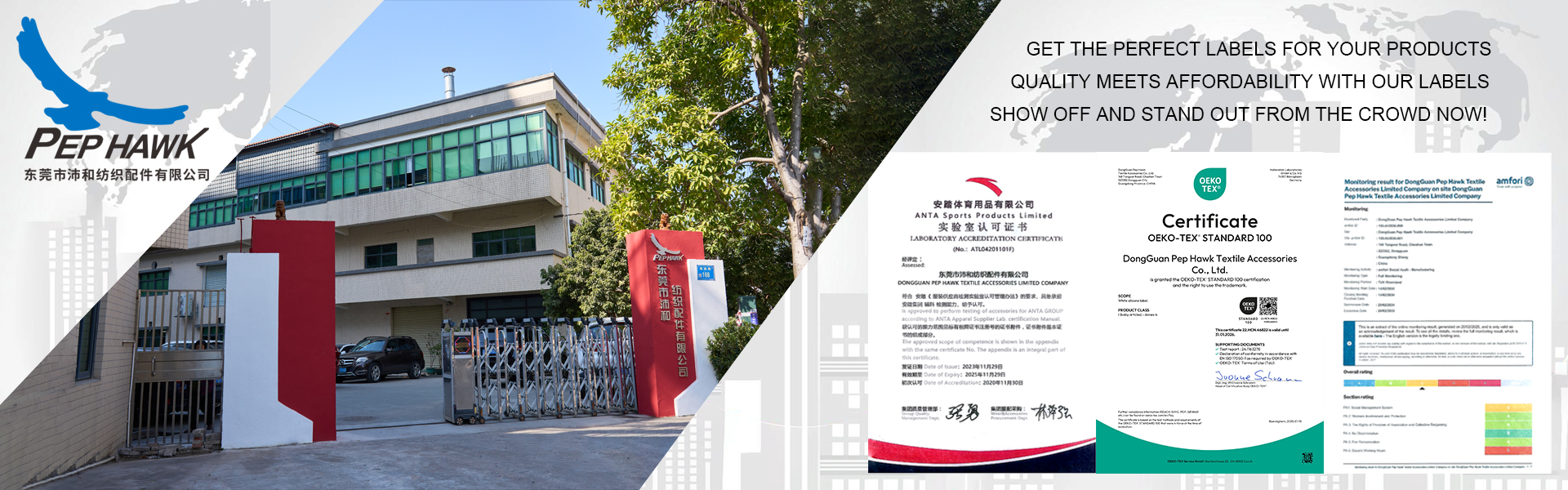
Revolutionizing Professional Identification: Premier Velcro Name Patches for Vests
Top Iron Patches Wholesale Products for Business Growth



