

Tips for Crafting an Effective Fashion Logo
2025-01-10
Create a lasting impression with our bespoke fashion logo designs. Our skilled designers focus on delivering logos that embody your brand's unique style.
In the bustling marketplace where products jostle for attention, your label might seem like a small cog in the big wheel of business. But make no mistake, it's a powerful force that can either propel your offering to stardom or consign it to obscurity. Branding your label is not an afterthought; it's the cornerstone of building a successful enterprise. Let's peel back the layers and uncover why it holds such significance.
Creating Recognition of Fashion Logo
Your label is often the first point of contact a customer has with your product. It's like a first handshake, and you want it to be firm and memorable. A well-branded label, with a distinct logo, color scheme, and typography, becomes instantly recognizable.
Think of the iconic Coca-Cola label. That bold red color, the swirling script logo, and the classic ribbon design are etched into the global consciousness. Whether it's on a bottle in a grocery store, a vending machine, or a billboard, consumers can spot it a mile away. This kind of recognition builds trust over time. When customers see a familiar and well-branded label, they feel a sense of comfort and assurance. It's like reuniting with an old friend in a crowded room.
For a small artisanal jam maker, a carefully crafted label with a hand-drawn logo of a berry bush, a rustic color palette, and a charming font can work wonders. It gives the product a personal touch and stands out on the crowded pantry shelf. Branding your label for recognition is about making a lasting impression that beckons customers back for more.
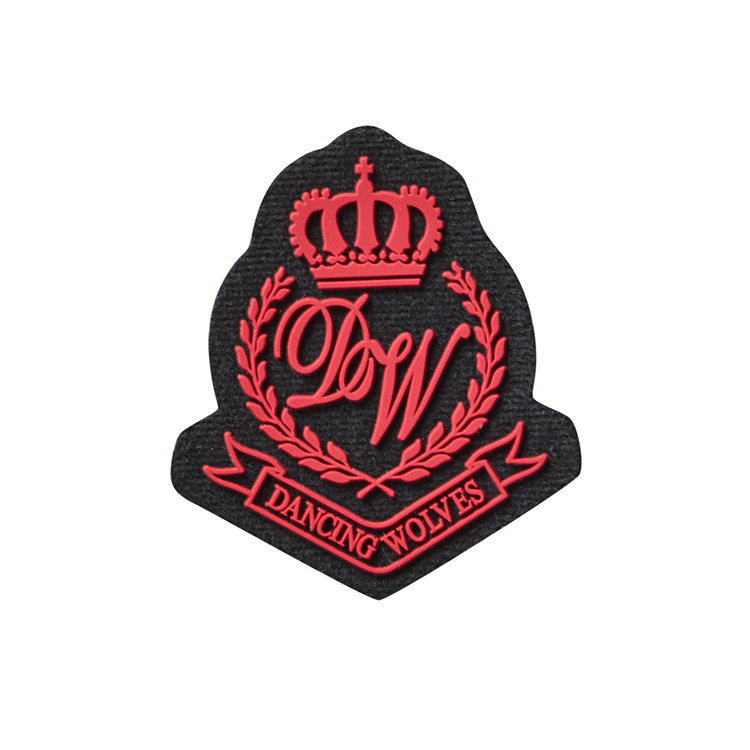
Differentiating from the Competition for Fashion Logo
In today's hyper-competitive landscape, there are countless products vying for the same customers. Your label is your secret weapon to cut through the noise. It's what sets you apart from the sea of similar offerings.
For example, in the crowded coffee market, where you can find dozens of varieties on a single supermarket aisle, a specialty coffee brand might use a minimalist label with a unique geometric pattern, a muted color palette, and a focus on single-origin sourcing details. This not only looks different from the mainstream coffee labels but also tells a story about the quality and origin of the beans.
Another coffee brand might go for a bold, artistic label that features a local artist's work related to the coffee-growing regions. These distinct branding approaches make customers pause and consider the product. Your label is your chance to show the world what makes you unique, and in a world of copycats, being different is the key to survival.
Conveying Quality and Value: What Lies Beneath Fashion Logo
A well-branded label can communicate volumes about the quality and value of your product, even before the customer tries it. The materials used, the design finesse, and the overall aesthetic all contribute to this perception.
For a high-end skincare brand, a label made from thick, textured paper, with embossed details, a soft-touch finish, and a sleek, modern logo in metallic ink, screams luxury. It gives the impression that the creams and lotions inside are of top-notch quality, formulated with care and precision.
Conversely, a budget-friendly cleaning product might use a bright, simple label with bold graphics and clear instructions. It shows that while it may not have the frills of a luxury brand, it gets the job done effectively. Your label is like a window into the soul of your product, and by branding it right, you can set the right expectations.
Building Emotional Connections
Branding on your label can go beyond the functional and tap into the emotional. It can create a bond between the customer and the product. For a fair-trade chocolate brand, the label might feature images of the farmers who grow the cocoa beans, along with their stories and the positive impact of fair trade.
This kind of branding makes consumers feel good about their purchase. They're not just buying chocolate; they're supporting a cause and connecting with the people behind the product. Similarly, a pet food brand that uses a label with cute illustrations of happy pets and a heartwarming message about caring for furry friends can create a strong emotional resonance.
These emotional connections turn customers into loyal advocates. They'll choose your product not just because it's good, but because it makes them feel good.
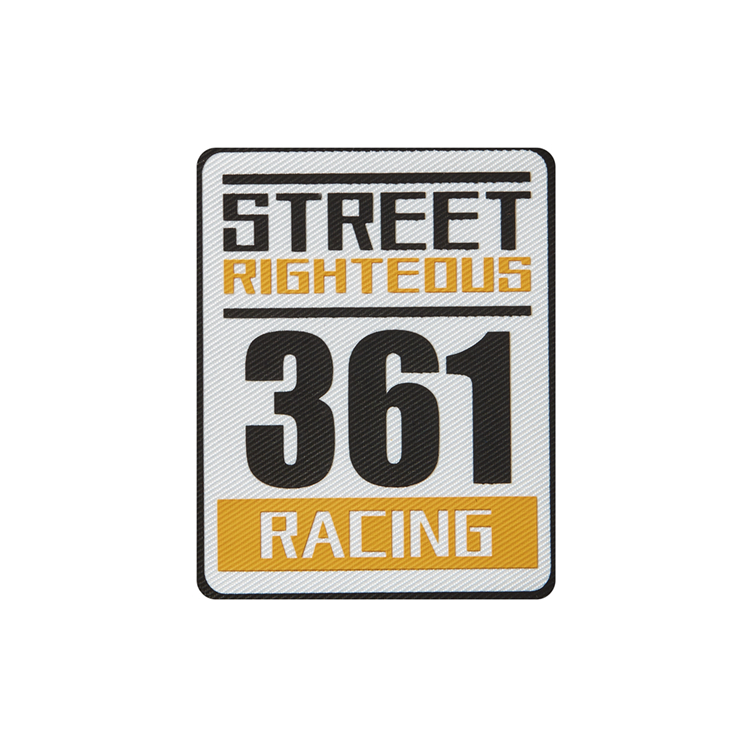
Enhancing Shelf Appeal
When your product sits on a shelf, it has a split second to attract attention. A branded label that is visually appealing and strategically designed can make all the difference.
For a craft beer brand, a label with a vibrant, eye-catching illustration of a mythical creature, paired with a bold, colorful font for the name and a unique bottle shape, can draw in beer enthusiasts. The label's design takes into account the lighting in the store, the viewing angle of customers, and the overall atmosphere of the beer aisle.
In contrast, a bland, generic label will get lost in the shuffle. Your label needs to be a visual magnet, pulling customers in and making them reach for your product instead of the competition's.
Facilitating Word-of-Mouth
A well-branded label is like a conversation starter. When customers are impressed by the look and feel of your label, they're more likely to share it with others. It could be as simple as a friend noticing a cool new wine label at a dinner party and asking where to buy it.
Or a fitness influencer sharing a photo of a protein bar with a trendy, Instagram-worthy label on their social media. These word-of-mouth moments can snowball into increased brand awareness and sales. Your label becomes a marketing tool in the hands of your customers, and by making it memorable and unique, you're giving them a reason to talk about it.
Adapting to Trends
The business world is constantly evolving, and so are consumer preferences. Branding your label to keep up with the latest trends can ensure your product remains in the spotlight.
For example, with the growing focus on sustainability, a food brand might introduce a new label that highlights its use of recycled materials, local sourcing, and carbon-neutral production. This not only appeals to environmentally conscious consumers but also shows that the brand is forward-thinking.
In the fashion industry, labels might incorporate trendy colors, patterns, or design elements inspired by current runway shows. By staying attuned to trends, your label can continue to resonate with the target audience and stay ahead of the curve.
In conclusion, branding your label is not a luxury; it's a necessity. It impacts every aspect of your business, from attracting customers and differentiating from competitors to building emotional connections and staying relevant. By investing time and effort into creating a strong brand identity for your label, you're laying the foundation for a prosperous future. As the market continues to shift, those who master the art of label branding will be the ones leading the charge in product recognition and customer loyalty.
Customizing Your Hat: The Patch Revolution
Why Is Branding Important for My Label




SEND MESSAGE