

What Information Should Be Included on Fabric Tags
2025-01-13
Enhance your products with our unique fabric tags. Perfect for crafters and entrepreneurs, our tags combine quality and style to represent your brand effectively.
Fabric tags, also known as care labels or content labels, are an essential component of any garment. They provide crucial information to the consumer about the care and composition of the fabric, ensuring that the garment is used and maintained correctly. Properly designed fabric tags not only enhance the user experience but also comply with legal requirements and contribute to brand trust and transparency. This article will explore the key information that should be included on fabric tags, providing practical tips and insights for designers, manufacturers, and consumers alike.
The Importance of Fabric Tags
Fabric tags serve multiple purposes, from providing care instructions to ensuring compliance with regulatory standards. They are a vital communication tool between the manufacturer and the consumer, helping to extend the life of the garment and maintain its quality. Well-designed fabric tags can also enhance brand reputation by demonstrating a commitment to quality and consumer education.

Key Information to Include on Fabric Tags
1. Fabric Content
One of the most important pieces of information on a fabric tag is the composition of the fabric. This includes the types of fibers used and their percentages. For example, a tag might read "100% Cotton" or "60% Polyester, 40% Cotton." This information is crucial for consumers with allergies or sensitivities to certain materials and helps them make informed purchasing decisions.
-
Natural Fibers: Include the specific type of natural fiber, such as cotton, wool, silk, or linen, and its percentage in the blend.
-
Synthetic Fibers: Clearly state synthetic fibers like polyester, nylon, or acrylic, along with their percentages.
-
Blends: For blended fabrics, list each fiber and its percentage to give a complete picture of the fabric composition.
2. Care Instructions
Care instructions are essential for maintaining the quality and longevity of the garment. These instructions should be clear and concise, guiding the consumer on how to wash, dry, and iron the garment.
-
Washing: Indicate the recommended washing temperature, whether the garment can be machine washed or requires hand washing, and any special washing instructions (e.g., "Wash with like colors," "Do not bleach").
-
Drying: Specify whether the garment can be tumble dried, air dried, or requires line drying. Include any temperature settings if applicable.
-
Ironing: Provide ironing instructions, including the recommended temperature setting. If the garment should not be ironed, this should be clearly stated.
-
Dry Cleaning: If the garment requires professional dry cleaning, include a symbol or text indicating this. Some garments may be dry clean only, while others may be suitable for both washing and dry cleaning.
3. Country of Origin
The country of origin is a mandatory piece of information in many countries. It helps consumers make informed decisions based on where the product was manufactured. This information can also be important for customs and import regulations.
-
Manufacturing Country: Clearly state the country where the garment was manufactured. This can be as simple as "Made in [Country Name]."
4. Size Information
Providing accurate size information is crucial for ensuring a good fit and customer satisfaction. Size tags should be consistent and follow industry standards.
-
Size Chart: Include a size chart or size information directly on the tag. This can include numerical sizes (e.g., S, M, L, XL) or specific measurements (e.g., chest, waist, inseam).
-
International Sizes: For garments sold internationally, consider including size information in multiple sizing systems (e.g., US, EU, UK).
5. Brand Information
Including brand information on fabric tags can enhance brand recognition and trust. This can be as simple as the brand name or can include a logo or tagline.
-
Brand Name: Clearly display the brand name on the tag. This helps consumers identify the brand and associate it with the quality and style of the garment.
-
Logo: If space allows, include the brand logo. This can be a small icon or a more detailed design, depending on the tag size.
-
Tagline: A brand tagline can provide additional context and reinforce the brand's values or unique selling proposition.
6. Additional Information
Depending on the garment and the brand, additional information may be included to enhance the consumer experience or comply with specific regulations.
-
Product Name: Include the name of the product or style. This can help consumers remember and refer to the garment when making future purchases or seeking customer support.
-
Serial Number or SKU: For inventory and tracking purposes, include a serial number or stock-keeping unit (SKU). This can help manufacturers and retailers manage stock and track sales.
-
Special Instructions: If the garment has any special features or requires unique care, include this information. For example, "Remove before washing" for garments with electronic components.
Practical Tips for Designing Fabric Tags
1. Use Clear and Legible Text
Ensure that the text on the fabric tag is clear and easy to read. Use a simple, legible font and appropriate font size. Avoid using decorative fonts that may be difficult to read.
2. Follow Industry Standards
Adhere to industry standards and regulations for fabric tags. This includes using standard symbols for care instructions and following the guidelines for fabric content labeling. Familiarize yourself with the regulations in your target market to ensure compliance.
3. Consider the Tag Size and Placement
The size and placement of the fabric tag are important for usability. Ensure that the tag is large enough to include all necessary information but not so large that it becomes cumbersome. Place the tag in a location that is easily accessible but does not interfere with the comfort or functionality of the garment.
4. Use Durable Materials
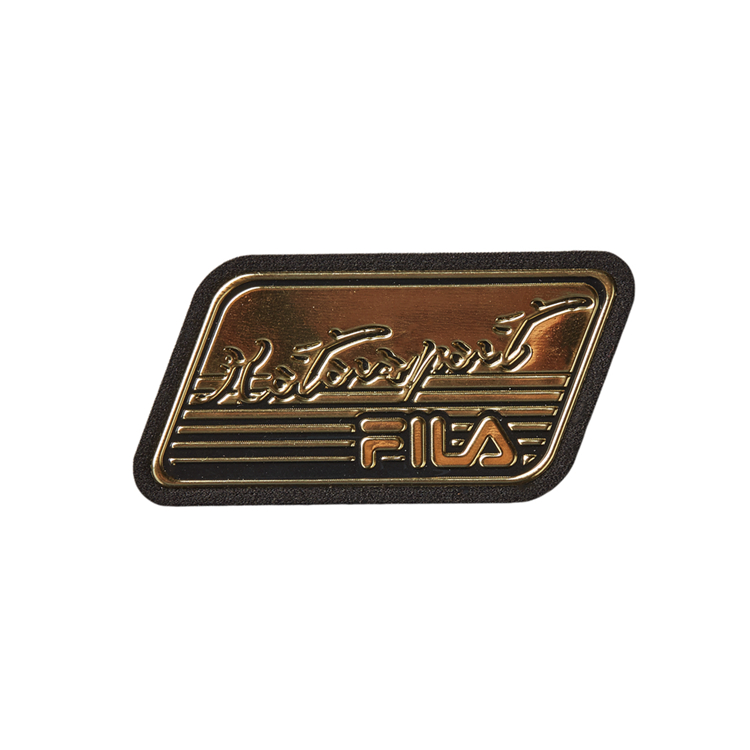
Fabric tags should be made from durable materials that can withstand washing and wear. Common materials include woven labels, printed labels, and sewn-in tags. Choose a material that is appropriate for the garment and its intended use.
5. Test and Iterate
Before mass-producing garments, test the fabric tags to ensure that they are effective and meet all requirements. Gather feedback from consumers and make any necessary adjustments to improve the tag design.
Conclusion
Fabric tags play a crucial role in providing consumers with essential information about the care and composition of garments. By including key information such as fabric content, care instructions, country of origin, size information, and brand details, manufacturers can enhance the user experience, comply with regulations, and build brand trust. Designing fabric tags with clear and legible text, following industry standards, and using durable materials can ensure that the tags remain effective and useful throughout the life of the garment. With careful consideration and attention to detail, fabric tags can become a valuable tool for both manufacturers and consumers, contributing to a more informed and satisfying purchasing experience.
Making Your Identity: Clothing Brand Logo Essentials
How Can I Spot a Genuine Label Hoodie




SEND MESSAGE